Concerns about potential domestic attacks in the United States are escalating as the conflict in Iran intensifies and the partial shutdown of the Department of Homeland Security (DHS) continues. The U.S.-Israel military operations against Iran, which began on February 28, 2024, have entered their third week, generating significant geopolitical tensions. The conflict was triggered by airstrikes targeting Iranian military infrastructure, leading Iran to retaliate against U.S. military bases in Bahrain, Kuwait, and Qatar.
A recent poll conducted by Quinnipiac University indicates that public disapproval of the military actions is substantial, with 53% of registered voters opposing the war compared to 40% who support it. The situation has been exacerbated by reports of civilian casualties, including over 170 fatalities at a southern Iranian elementary school, allegedly due to a U.S. missile strike. Consequently, 77% of respondents believe a terror attack on U.S. soil is likely as a reaction to the military operations.
Rising Threat Assessment Amid DHS Shutdown
The potential for increased terrorist activities linked to Iran has drawn attention from security experts. Javed Ali, a former DHS and FBI official, now a professor at the University of Michigan, stated that the likelihood of Iran considering attacks within the U.S. has increased since the onset of the conflict. He also noted that the DHS has not issued any current advisories through the National Terrorism Advisory System (NTAS), which has been inactive since its last bulletin in June 2023.
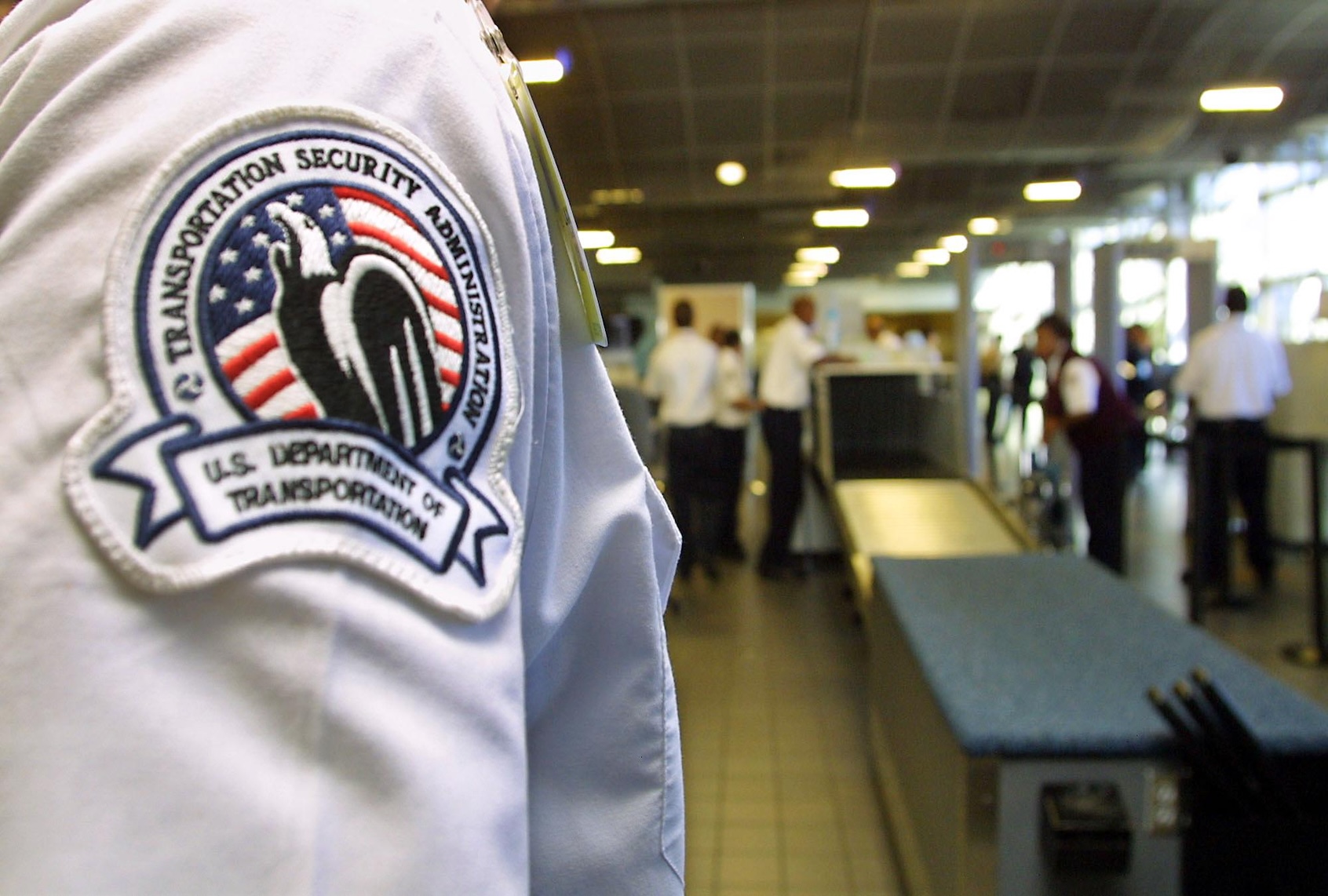
Ali expressed concern over the implications of the DHS funding lapse, which has persisted for four weeks due to a political stalemate. The shutdown has hindered various DHS operations, including those of the Transportation Security Administration (TSA) and the Federal Emergency Management Agency (FEMA). The lack of advisories during a time of heightened risk raises questions about the agency’s responsiveness to potential threats.
“Without active advisories, the public may not be fully aware of the current threat landscape,” Ali remarked. He highlighted that the DHS should still maintain operational readiness despite the funding issues.
Cyber Threats and Domestic Security
While no terror attacks have been confirmed on U.S. soil stemming from Iran, the country has a history of carrying out cyber attacks against U.S. targets. Recently, an Iranian-linked hacking group claimed responsibility for a cyberattack on Stryker Corporation, a Michigan-based medical equipment firm. This incident disrupted the company’s operations, including the erasure of data from devices linked to the attack.
According to Nick Andersen, acting director of the Cybersecurity and Infrastructure Security Agency (CISA), the agency remains committed to safeguarding national interests, even amid the ongoing DHS funding issues. He emphasized collaboration with public and private sector partners to investigate the Stryker attack and bolster defenses against similar threats.
The political dynamics surrounding the DHS funding have further complicated the situation. Democrats in the Senate have opposed a funding bill passed by the House, citing the need for reforms in Immigration and Customs Enforcement (ICE) and Customs and Border Protection (CBP). Bennie Thompson, the top Democrat on the House Homeland Security Committee, criticized the shutdown and linked it to the increased risk of domestic threats resulting from military actions in Iran.
“While the dedicated workforce at DHS continues to operate, the current political climate raises the stakes for national security,” Thompson stated. He urged for a resolution to the funding impasse to ensure robust protective measures against potential threats.
As the conflict in Iran shows no signs of abating, and with the DHS funding lapse ongoing, the implications for domestic security remain critical. The interplay of international military actions and domestic preparedness underscores the urgent need for a comprehensive approach to safeguarding American interests at home and abroad.