UPDATE: Massachusetts residents face an urgent energy crisis as skyrocketing utility bills continue to strain household budgets. A recent Suffolk University poll revealed that over 20% of residents identified energy costs as the largest financial burden, highlighting the pressing need for relief.
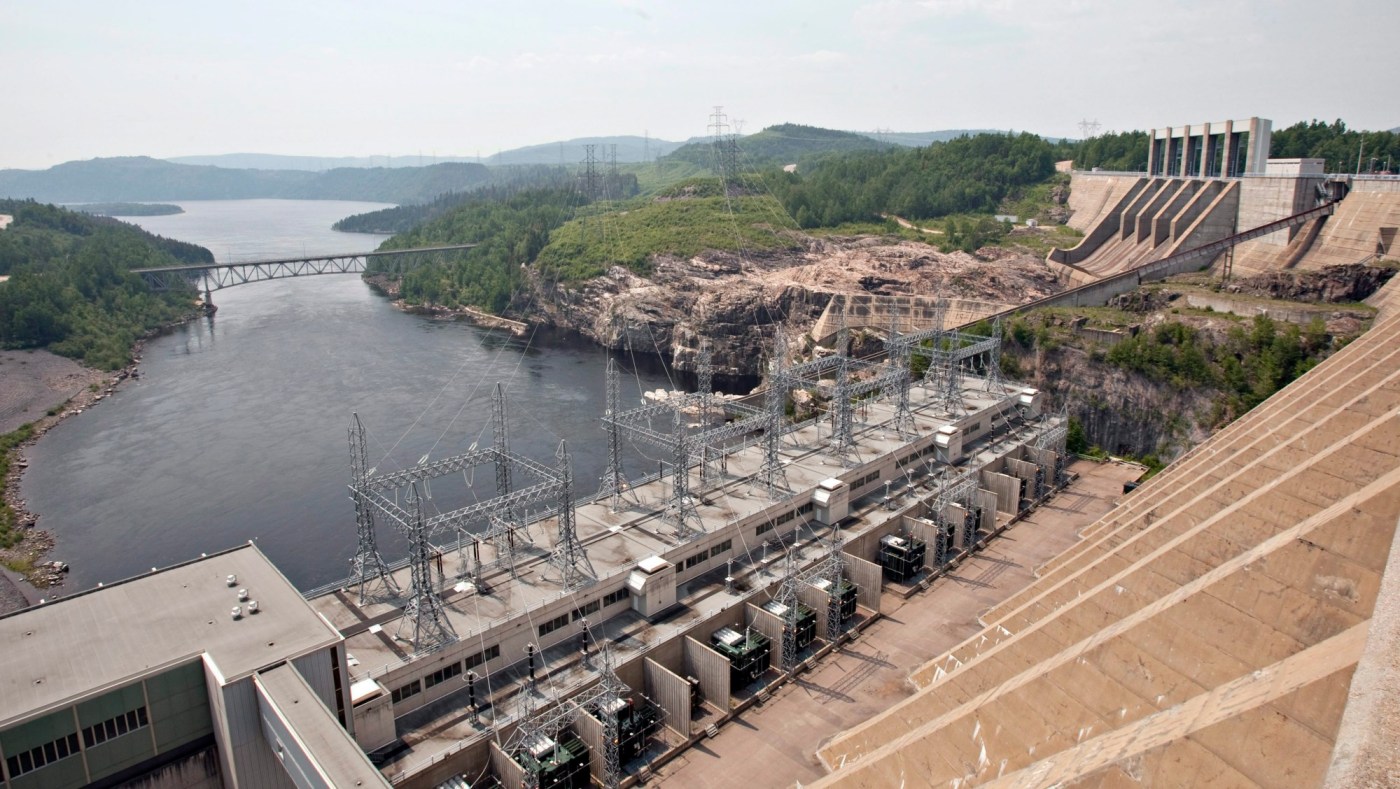
The long-awaited New England Energy Connect (NECEC) line, a hydro-powered electricity source from Quebec, was officially launched, but immediate concerns are rising about its reliability and potential benefits. This project, which began in 2017 under former Governor Charlie Baker, promises to deliver 1,200 megawatts of renewable energy to New England over 20 years.
While the state expects to receive about 20% of its electricity from this source, details reveal that the initial projected cost of $1 billion has soared to $1.6 billion, raising questions about the promised annual savings of around $50 million for ratepayers. In reality, this translates to a mere $18 to $20 savings per customer.
Officials claim that the NECEC will cut carbon emissions by 3.6 million metric tons annually, equivalent to removing 700,000 cars from the roads. However, skepticism is mounting as a severe drought has impacted Quebec’s ability to generate sufficient hydropower. Currently, 86% of Canada’s Central Region, including Quebec, is classified as Abnormally Dry or in Moderate to Extreme Drought, according to Esri Canada.
As the NECEC becomes operational, uncertainty looms over how much electricity Massachusetts will actually receive. Notably, the existing Phase II power line has been exporting energy to Quebec, as Hydro-Quebec prioritizes its domestic customers amid dwindling water supplies. This could limit the effectiveness of the new hydropower line and leave Massachusetts residents with continued high energy costs.
Dolan, president of the New England Power Generators Association, emphasized that concerns over Quebec’s electricity availability are now a reality. The trend of declining electricity imports from Canada since 2017 has accelerated due to the ongoing drought, suggesting that the benefits of the NECEC may not materialize as expected.
Massachusetts lawmakers and energy officials must now confront the reality of a changing climate that poses risks to hydropower reliability. The environmental benefits of the NECEC are overshadowed by the potential for increased financial strain on ratepayers. As the situation develops, residents are urged to stay informed on how these challenges could impact their energy bills in the coming months.
In summary, while the NECEC promises a cleaner energy future for Massachusetts, the looming challenges of climate change and regulatory hurdles may leave ratepayers grappling with the same financial burdens. The urgency of this situation cannot be overstated, as residents seek immediate solutions to the escalating cost of living.