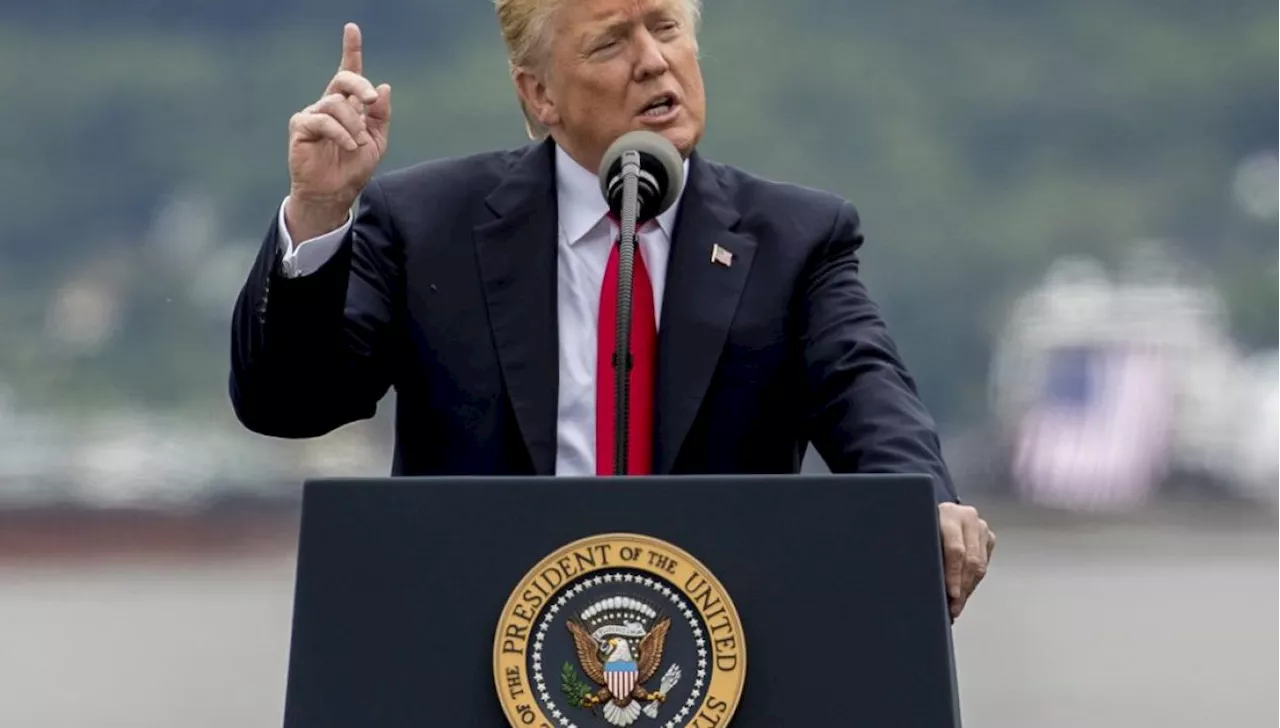
UPDATE: President Donald Trump has just signed a proclamation significantly expanding the travel ban to a total of 17 countries, citing urgent national security needs. The latest restrictions, enacted in response to increasing threats, target nations in the Middle East and Africa, adding five new countries to the existing list.
This move follows a disturbing incident where two National Guard members were shot near the White House, prompting heightened scrutiny of foreign nationals entering the U.S. The White House stated that the restrictions are essential to prevent the entry of individuals whose backgrounds lack sufficient vetting, thereby ensuring national safety.
The ban includes previously restricted countries such as Afghanistan, Iran, and Libya, while new additions—Burkina Faso, Mali, Niger, South Sudan, and Syria—raise fresh concerns about security protocols. The administration attributes these measures to “widespread corruption, fraudulent documents, and criminal records” in these nations.
Moreover, the proclamation bars individuals possessing travel documents issued by the Palestinian Authority, further complicating the immigration landscape. An additional 15 countries now face partial travel bans, including Angola, Nigeria, and Zimbabwe.
This latest expansion comes on the heels of a troubling case involving an Afghan national, who, after being airlifted by U.S. forces in April 2021, was recently accused of being radicalized after resettling in the United States. Trump has vowed to implement a “full travel ban” from countries he claims are “flooding” the U.S. with “criminals.”
As the administration enforces these new restrictions, officials emphasize the necessity of cooperation with foreign governments to bolster national security. The implications of this expansion will be felt worldwide, impacting thousands of families and individuals seeking refuge in the U.S.
Authorities are urging citizens to stay informed as the situation develops, and discussions around immigration and national security intensify. The White House has confirmed that these measures are part of a broader strategy to ensure safety for American citizens.
Stay tuned for more updates on this developing story as officials assess the ramifications of these sweeping changes.