UPDATE: Political parties are intensifying efforts to win over the crucial young male vote ahead of the midterm elections, with strategies already underway. Democrats are showing optimism for gains, while Republicans are sharpening their focus on mobilizing inconsistent voters, particularly young men, as economic issues dominate the political landscape.
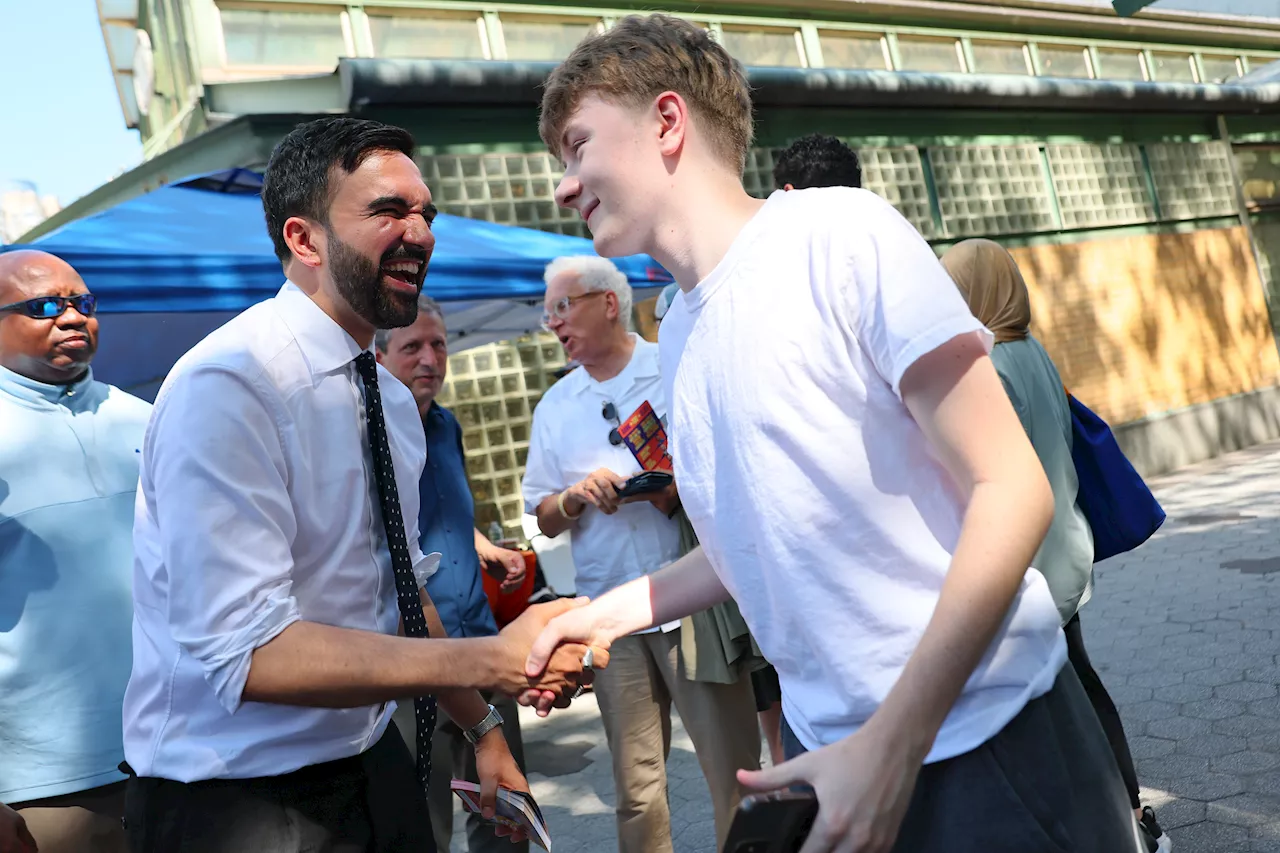
The urgency of this battle is heightened by the shifting political allegiance of young males, which has dramatically influenced recent elections. In the last election cycle, Donald Trump‘s appeal among young men significantly boosted his success, prompting Democrats to reassess their strategies. Key candidates such as Abigail Spanberger in Virginia, Mikie Sherrill in New Jersey, and Zohran Mamdani in New York City have reported improved performances among this demographic, indicating a potential shift in momentum.
As both parties prepare for the midterms, Ken Martin, Chair of the Democratic National Committee, emphasized the need for the party to connect with young voters, stating he never wants to hear again about a lack of appeal among this group. However, the fight is far from settled, and both parties recognize the challenges ahead. A senior Republican strategist indicated that the Republican ecosystem remains robust, highlighting a sentiment of dissatisfaction among young men regarding their economic standing.
At the Symposium on Young American Men, Senator Ruben Gallego (D-Ariz.) noted a hesitance within the party to address the concerns of young men for fear of backlash. Meanwhile, Republicans are gearing up to label Democrats as out of touch with the economic realities faced by young voters. They plan to spotlight improved economic prospects tied to Trump’s proposed policies, particularly those affecting wages.
Looking ahead, Republicans are banking on Trump’s enduring influence to galvanize turnout among young voters. In Trump’s first term, only 34% of voters aged 18 to 22 approved of him, with 32% approval among those aged 23 to 29. However, in the 2024 elections, he secured 42% of the vote from individuals under 30, showcasing a significant rightward shift in this traditionally left-leaning demographic.
Economic sentiment has emerged as a key factor in this transformation, with candidates like Spanberger, Sherrill, and Mamdani focusing their campaigns on affordability. These candidates gained traction among young men compared to Kamala Harris, the 2024 Democratic presidential nominee, and attracted approximately 7% to 9% of Trump voters in their races. A recent Harvard Youth Poll revealed that about 40% of voters under 30 expressed dissatisfaction with current economic conditions.
Personal stories underscore the urgency of this political landscape. Christian G., a 25-year-old independent from Clifton, New Jersey, expressed his frustrations over the economy, which influenced his decision to support Sherrill after voting for Trump previously. He articulated his desire for a candidate who would effectively address his economic concerns, showcasing the emotional stakes in this election.
As the midterms draw closer, the competition for the young male vote is heating up. Democrats are eager to build on recent successes while Republicans are implementing strategies to ensure turnout from inconsistent voters, regardless of whether Trump leads the ticket. The outcome of this demographic’s preferences could prove pivotal in several key races, making the fight for their support a focal point of political strategy in the coming months.
Stay tuned for more updates as this critical story develops.