URGENT UPDATE: As winter storms loom, understanding weather alerts is crucial for safety. The National Weather Service has issued warnings across various states, including Cleveland, with alerts for potential hazardous conditions this January.
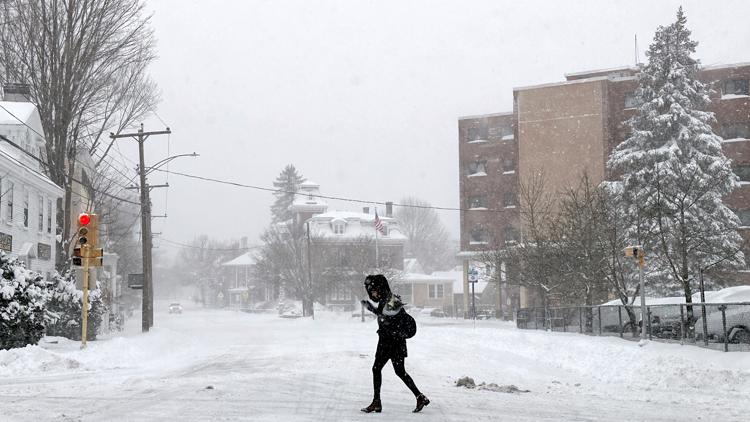
Imagine a winter morning where the forecast warns of severe weather, but you ignore the alerts. Snow accumulates rapidly, roads become treacherous, and you find yourself stuck, missing important commitments. This scenario is no longer hypothetical; it can happen to anyone who underestimates winter storm alerts.
WHAT YOU NEED TO KNOW: The National Weather Service categorizes winter alerts into three distinct levels: watches, warnings, and advisories. Each level signals different risks and requires different actions. Ignoring these distinctions could lead to dangerous situations.
A winter storm watch is like a caution light—conditions are ripe for a significant storm but nothing is confirmed. It indicates that hazardous conditions, including snowfall over 6 inches in northern states and 2 to 4 inches in the southern U.S., could develop within the next 24 to 48 hours. It’s essential to stay informed and prepare supplies without panicking.
In contrast, a winter storm warning is a serious alert. It means that dangerous winter weather is either occurring or will begin shortly, posing a direct threat to life and property. Heavy snow, freezing rain, or blizzard conditions can lead to road closures and power outages. If you receive a warning, take immediate action: stay indoors, keep pets inside, and prepare for potential emergencies.
Lastly, a winter weather advisory is a less severe but important alert. It indicates that winter weather will create travel difficulties, such as slick roads from 2 to 5 inches of snow or light ice. While daily activities may continue, it’s crucial to exercise caution, drive carefully, and allow extra travel time.
IMPACT ON DAILY LIFE: Understanding these alerts can be the difference between inconvenience and disaster. For example, while you may think you can handle a little snow, the reality is that ignoring a winter storm warning could leave you unprepared and at risk.
Meteorologists track these winter storms closely, and their insights can significantly enhance your safety. Stay tuned to your local weather reports for the latest updates and share this knowledge with friends and family.
ACTIONS YOU CAN TAKE: Prepare now by checking your supplies and ensuring your vehicle is winter-ready. As the storm approaches, stay alert for updates and adjust your plans accordingly.
Your safety is paramount during winter storms. Heed the alerts, understand their meanings, and act decisively. For the latest updates, consult your local weather team.
Stay safe, stay informed, and don’t underestimate the power of winter weather alerts.