Recent calls to “globalize the Intifada” have ignited significant controversy in Australia, with many expressing shock at the violent antisemitism that has surfaced. This phrase, often associated with pro-Palestinian movements, has drawn attention to the ongoing tensions surrounding the Israel-Palestine conflict and how these sentiments are manifesting in Australian cities.
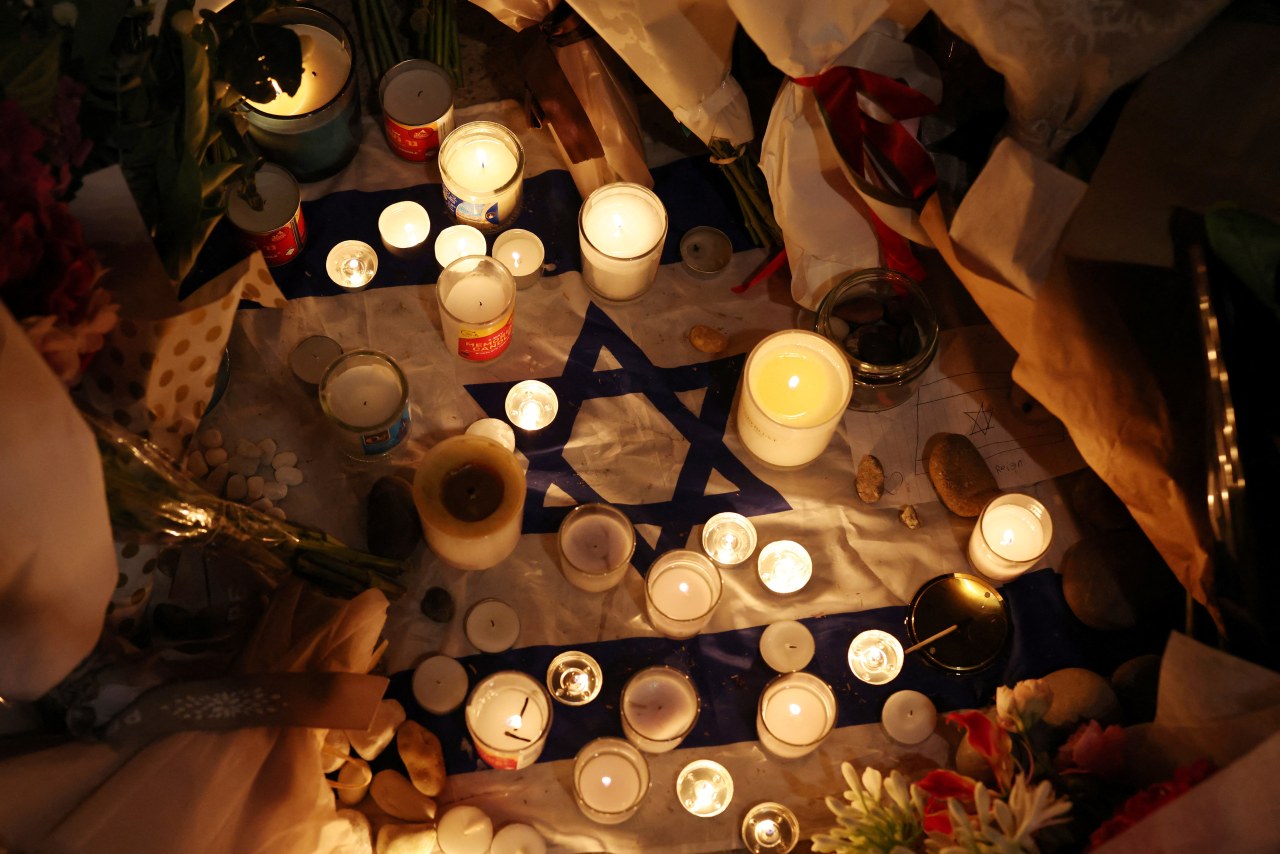
In October 2023, protests in various Australian cities have been marked by an increase in antisemitic rhetoric and actions. Notably, Bondi Beach, a popular destination in Sydney, became a focal point for these tensions. The once peaceful beach now finds itself at the center of a heated debate. Many local residents and members of the Australian Jewish community have reported feeling unsafe as protests escalate and antisemitic slogans appear.
The actions of certain leftist groups, who have long criticized what they term “Zionist” policies, have become a double-edged sword. While they advocate for the Palestinian cause, their rhetoric has sometimes blurred the lines, leading to expressions of hatred that target Jewish individuals. This has raised alarms within the Jewish community, which feels increasingly isolated and vulnerable in the face of such hostility.
October 2023 saw a surge in incidents that many attribute to this inflammatory rhetoric. Reports indicate that antisemitic incidents have risen dramatically, with community organizations tracking over 500 incidents in just a few weeks. These numbers reflect a growing trend that is deeply concerning to many Australians, regardless of their political alignments.
The situation presents a complex challenge for leftist activists who advocate for Palestinian rights. Critics argue that their language and messaging have inadvertently fueled a wave of antisemitism, causing significant harm to Jewish communities. As protests continue, the need for dialogue and understanding becomes increasingly urgent.
In response to these developments, various community leaders are calling for a reassessment of how activism is framed. They emphasize the importance of separating legitimate criticism of political actions from hate speech that jeopardizes the safety and dignity of individuals.
The Australian Jewish community has taken a strong stance against the rise of antisemitism, urging the government and law enforcement to take decisive action. They are advocating for educational programs aimed at combating hate speech and fostering a more inclusive dialogue surrounding the Israel-Palestine conflict.
As tensions persist, the discourse surrounding these events is likely to evolve. The challenge remains to find a balance between advocating for human rights and ensuring that such advocacy does not perpetuate hatred or violence against any group. The events at Bondi Beach illustrate the delicate nature of this issue, highlighting the need for thoughtful engagement rather than inflammatory rhetoric.
In conclusion, the calls to “globalize the Intifada” have sparked a significant backlash in Australia, revealing deep divisions within society. As the nation grapples with these challenges, it is vital to promote a narrative that encourages understanding and unity, rather than division and fear.