China has implemented a ban on certain exports to Japan, specifically targeting materials and technologies that could be used for military purposes. This significant move escalates ongoing tensions between the two nations, particularly in the context of their competing interests over Taiwan. The Ministry of Commerce of China announced the restrictions on July 1, 2023, signaling a strategic shift in how Beijing approaches its relationship with Tokyo.
The restrictions primarily affect components and technologies that have potential military applications. Analysts suggest that this decision is a direct response to Japan’s growing defense posture and its alignment with the United States regarding regional security issues. Japan has been increasing its military capabilities in recent years, partly as a reaction to China’s assertiveness in the Asia-Pacific region, including its stance on Taiwan.
Background of the Dispute
The relationship between China and Japan has been fraught with historical grievances and territorial disputes. Recent developments surrounding Taiwan have only intensified these tensions. Beijing views any support for Taiwan as a threat to its sovereignty, while Japan, under its new defense policies, has shown willingness to support Taiwan against potential aggression from China.
The Chinese government’s decision to restrict exports to Japan comes at a time when diplomatic relations are already strained. This ban adds another layer to the intricate geopolitical landscape of East Asia, where military posturing and economic dependencies create a complex web of interactions.
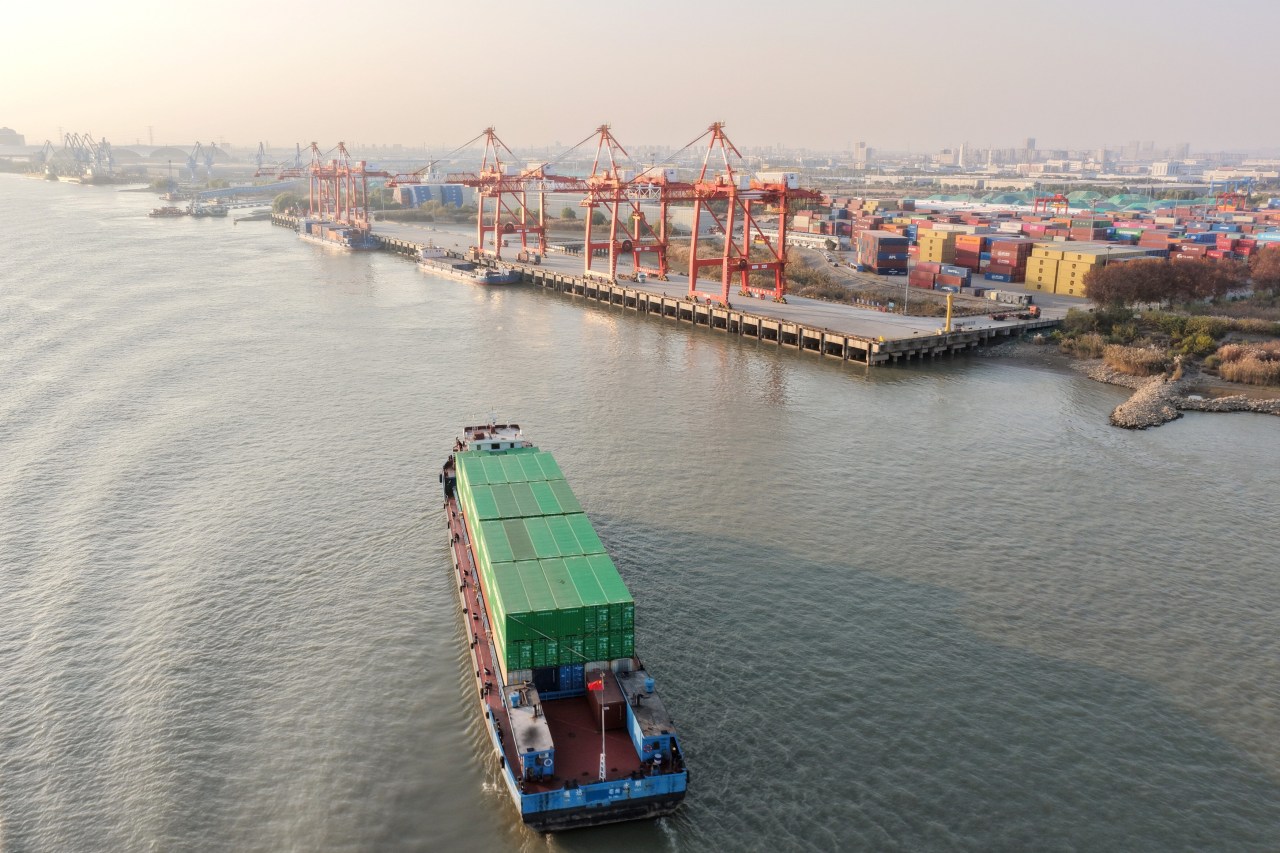
According to various diplomatic sources, the ban could have significant implications for Japanese industries that rely on imported materials for technology and defense manufacturing. The precise impact on these sectors remains to be seen, but the potential for increased production costs and supply chain disruptions is a concern for Japanese businesses.
Reactions from the International Community
The international community is closely monitoring the situation as it develops. Analysts warn that such actions by China could provoke further military responses from Japan and its allies, notably the United States. The U.S. has reaffirmed its commitment to defend Japan under the terms of their mutual defense treaty, which complicates the regional security dynamics even further.
Statements from Japanese officials indicate a strong resolve to maintain national security despite the new restrictions. The government has pledged to explore alternative sources for the restricted materials and technologies. This could lead to shifts in global supply chains as Japan seeks to reduce its dependency on Chinese exports.
As the situation unfolds, it is evident that the implications of China’s export ban extend beyond bilateral relations. The broader geopolitical consequences could reshape alliances and influence military strategies in the Asia-Pacific region. The ongoing feud over Taiwan continues to be a critical factor in shaping these relationships, highlighting the need for diplomatic engagement to prevent escalation into conflict.
In conclusion, the export ban by China represents a significant escalation in the ongoing tensions with Japan. Both nations are navigating a complex landscape that involves historical grievances, military posturing, and shifting alliances. The coming months will be crucial in determining how these dynamics evolve and what impact they will have on regional stability.