The security landscape in Europe has become increasingly precarious as tensions rise between major powers. With significant decisions on the horizon regarding the future of Ukraine, European leaders are grappling with the implications of a shifting geopolitical balance, particularly in relation to Russia and the United States.
The ongoing conflict in Ukraine has drawn attention to the vulnerabilities faced by European nations. NATO and the European Union are under pressure to respond decisively as October 2023 marks a critical juncture in military and diplomatic initiatives. The lack of consistent support from the United States has prompted concerns among European officials regarding their ability to address the multifaceted challenges posed by Russia.
Geopolitical Tensions and Security Policies
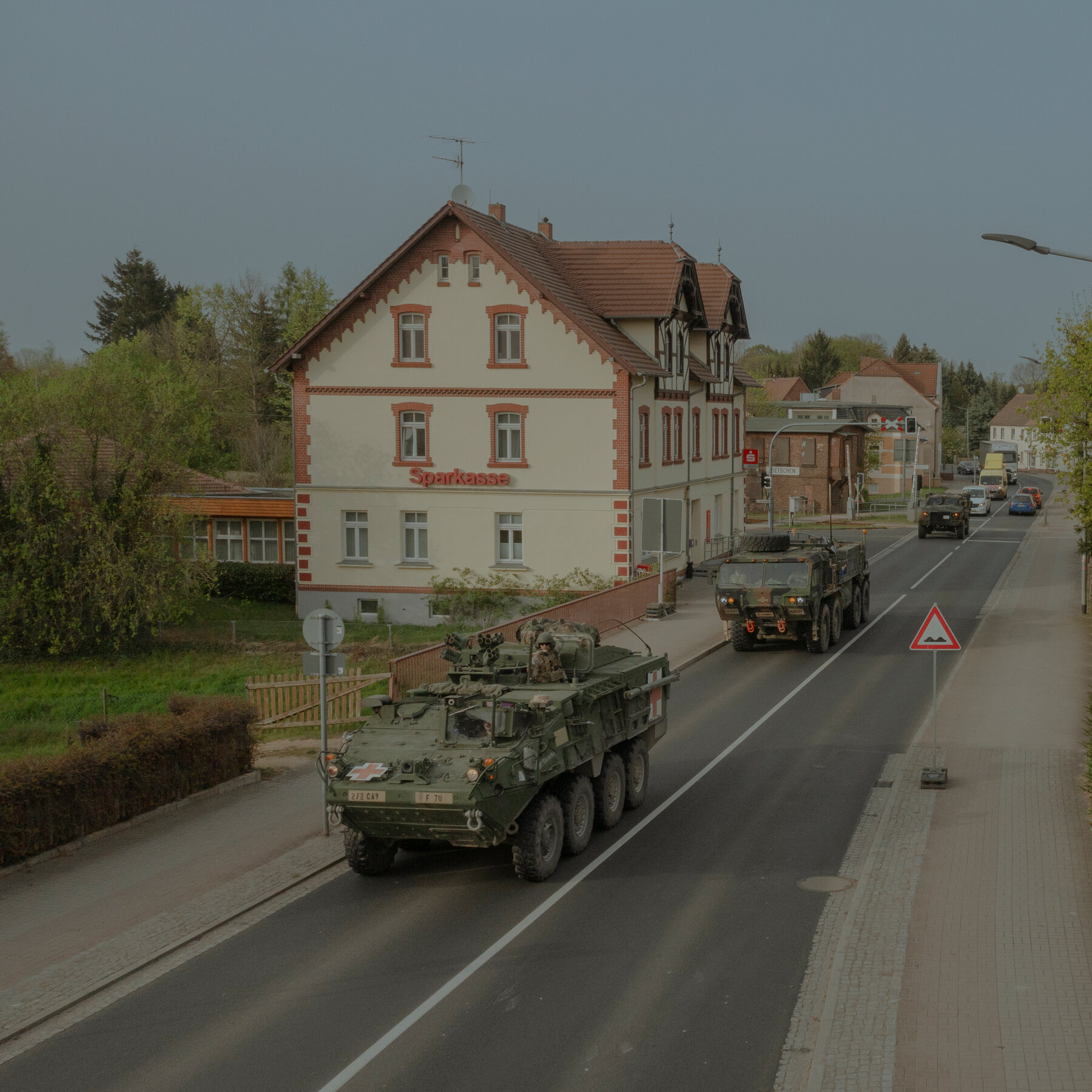
European countries are now reassessing their security policies in light of the aggressive actions taken by Russia. Following the invasion of Ukraine, European nations have sought to strengthen their military capabilities and enhance cooperation with each other. The European leaders are keenly aware that their collective response will shape the future of stability in the region.
The United States has historically been a key ally for Europe, providing military aid and strategic support. However, recent shifts in U.S. foreign policy under the current administration have led to a perceived withdrawal of support. This situation has left Europe in a challenging position, needing to rely more on its own resources while navigating complex relationships with both Russia and the U.S.
Future Implications for Europe
The implications of these developments extend beyond military concerns. European nations are facing economic and political ramifications as they balance their relationships with global powers. The uncertainty surrounding U.S. commitment to European security has led to calls for greater autonomy in defense strategies.
Furthermore, the crisis in Ukraine has exacerbated existing divisions within Europe regarding defense spending and military collaboration. Some nations advocate for increased investment in national defense capabilities, while others emphasize diplomatic efforts to resolve tensions peacefully.
In summary, as Europe finds itself at a crossroads, the decisions made in the coming months will have profound implications for the continent’s security framework. The interplay between internal unity and external pressures from Russia and the United States will define the future of European stability. As October progresses, the eyes of the world will be on Europe to see how it navigates this complex landscape.