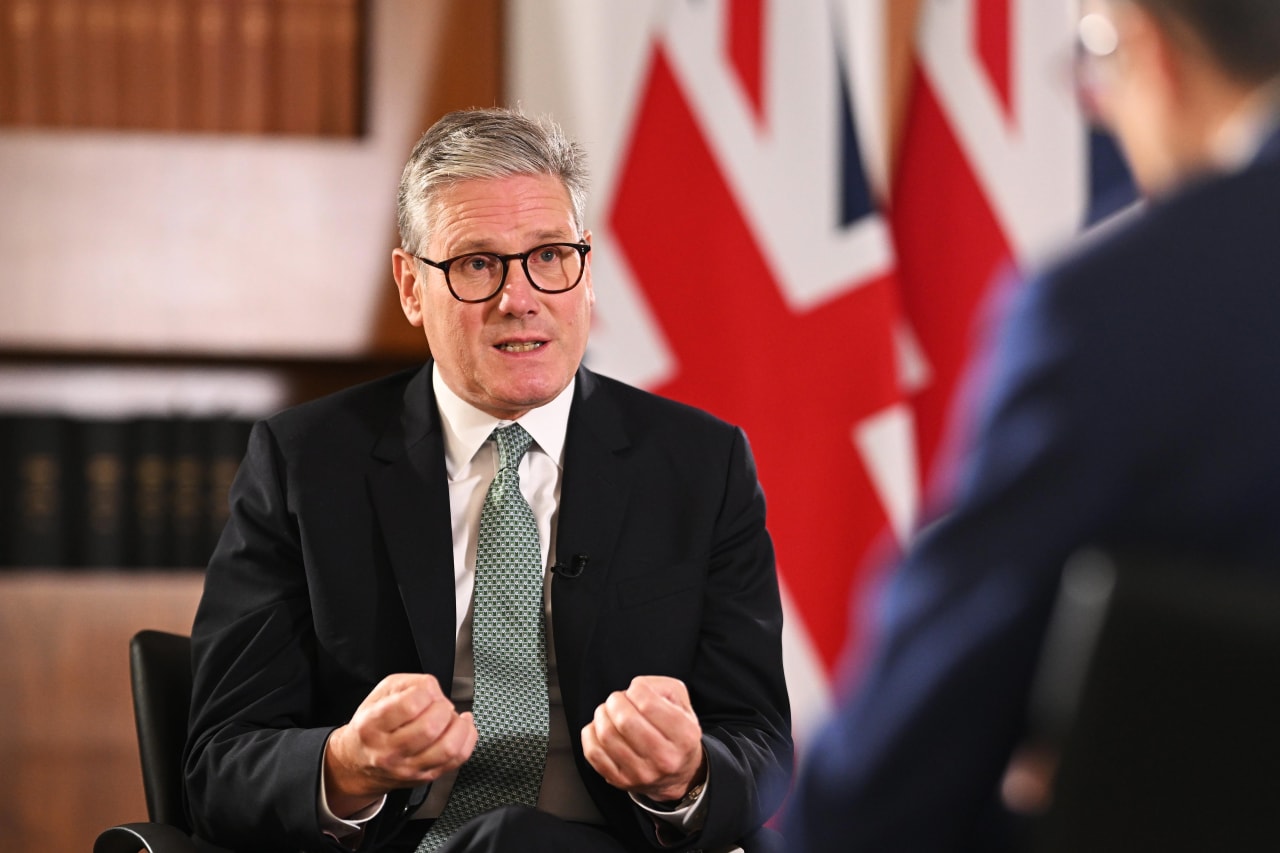
In a recent interview on “Face the Nation,” Kevin Hassett, Director of the National Economic Council, addressed the ongoing conflict involving Iran and its potential economic implications for the United States. The discussion, moderated by Margaret Brennan, took place on March 15, 2026, amid heightened tensions and concerns regarding global oil supply disruptions.
Conflict Timeline and Economic Projections
During the interview, Brennan highlighted statements from an Israeli Defense Forces spokesperson indicating that military operations would continue through early April. She inquired whether this timeline aligned with U.S. objectives and the possible economic fallout if the conflict persisted for an additional three and a half weeks. In response, Hassett confirmed that U.S. defense officials believe the mission could conclude in four to six weeks and noted that the operation is currently ahead of schedule.
Hassett emphasized that futures markets are reflecting expectations of a swift resolution, predicting a significant drop in oil prices. He stated, “If you look at the futures prices, they are expecting a rapid, rapid end to the situation and much, much lower prices.” His remarks came as the International Energy Agency described the situation as the largest supply disruption in the history of the global oil market.
U.S. Economic Resilience
Hassett reassured viewers that the U.S. economy is well-positioned to withstand the challenges posed by the conflict. He remarked that the nation’s increased oil production since the 1970s places it in a strong position compared to past crises. “America is not going to have its economy harmed by what the Iranians are doing,” he asserted, highlighting the country’s robust energy resources and trading partnerships.
Despite rising consumer prices, including a reported 20% increase in gasoline costs since the conflict began, Hassett indicated that the government is actively working to mitigate these impacts. He detailed efforts to secure alternative sources of fertilizer and maximize oil production from various suppliers to ensure that farmers and consumers are supported.
When pressed about the long-term effects on consumer prices, Hassett acknowledged the challenges but expressed confidence in the government’s ability to minimize disruptions. “We know how to minimize the impact of this disruption,” he stated, referencing decades of research on oil supply volatility.
Future Strategies and Congressional Support
Brennan also raised concerns regarding the financial implications of the military engagement, noting that the Pentagon has estimated costs of approximately $12 billion thus far. She queried whether additional funding from Congress would be necessary to sustain operations. Hassett responded that the current resources are adequate, while also acknowledging the situation’s evolving nature.
He affirmed that the administration is monitoring expenditures closely and will assess future needs in collaboration with the Office of Management and Budget. Hassett reiterated that the U.S. has sufficient military capabilities in place to manage the conflict without requiring immediate supplemental funding.
The interview concluded with a focus on the potential for a positive economic shift following the resolution of the conflict. Hassett expressed optimism that the global economy would experience a boost once stability is restored, reinforcing the administration’s commitment to addressing the challenges presented by the current situation.
As the conflict continues, the U.S. administration appears determined to navigate the complexities of the economic landscape while maintaining a focus on national security and energy independence.