Nicaragua has officially revoked visa-free travel for Cuban citizens, a significant shift from its previous policy aimed at fostering tourism and strengthening bilateral relations. This change, announced on October 15, 2023, now requires Cuban travelers to obtain a visa to enter Nicaragua, complicating the journey for many who previously relied on this pathway to reach the United States.
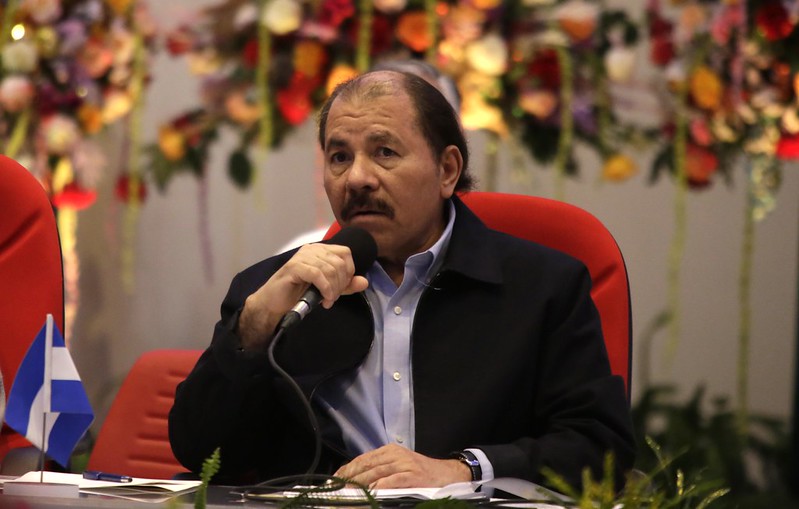
This decision marks a departure from the Nicaraguan government’s 2021 initiative that allowed Cubans to travel without a visa. The motivation behind this policy reversal appears to be linked to the increasing pressure from the administration of former U.S. President Donald Trump. The U.S. government has been vocal in its demands for Nicaraguan President Daniel Ortega to release political prisoners and address allegations of human rights abuses.
Reports indicate that the U.S. has accused Ortega and Vice President Rosario Murillo of implementing migration policies that inadvertently facilitate migrant smuggling and trafficking. The U.S. stance has intensified following military operations in Venezuela, which were aimed at removing President Nicolás Maduro from power. The Ortega administration, known for its close ties with Maduro, has faced increasing scrutiny from U.S. officials.
In response to this policy change, dozens of Cubans gathered outside the Nicaraguan Embassy in Havana on October 16, 2023, to voice their concerns. Many individuals with existing travel plans expressed uncertainty regarding their ability to travel, as the visa process and timeline remain ambiguous. While the Nicaraguan government has not imposed a fee for the visa application, the lack of clarity regarding the requirements has raised anxiety among prospective travelers.
The U.S. has also recently announced a new tariff scheme targeting countries that provide oil to Cuba, an action that further complicates the geopolitical landscape. Officials argue that Cuba’s alignment with hostile nations justifies these tariffs, as the country hosts military and intelligence operations from various adversarial actors.
Critics have labeled Ortega as an authoritarian leader, citing ongoing human rights violations and the suppression of dissent within Nicaragua. The U.S. has established policies aimed at promoting democratic practices and human rights in the nation, emphasizing the need for fair elections and humanitarian support.
The recent actions taken by Nicaragua reflect a broader trend of U.S. influence in Latin America, especially following the announcement of a “new Monroe Doctrine” in December 2022. This doctrine underscores U.S. hegemony over countries in the Western Hemisphere, which may further shape the dynamics of regional politics in the coming years.
As Nicaragua navigates these complex international pressures, the fate of many Cubans seeking entry into the U.S. now hangs in the balance, raising critical questions about migration, human rights, and diplomatic relations in the region.