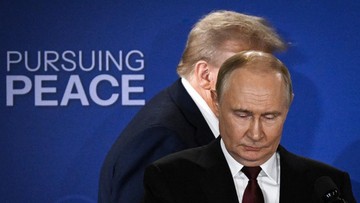
Russian President Vladimir Putin has stated that his country is beginning to feel the effects of a global energy crisis, which he attributes to the ongoing conflict between Iran, the United States, and Israel. This admission comes during a period of escalating tensions in the Middle East, which have had significant implications for energy markets worldwide.
The energy crisis has been exacerbated by the geopolitical turmoil, leading to fluctuating oil prices and supply disruptions. Putin emphasized that the situation is causing challenges for the Russian economy, particularly as Russia relies heavily on energy exports. The rising costs and instability in energy supplies have raised concerns about economic repercussions both domestically and internationally.
Economic Implications for Russia
Putin’s remarks highlight a growing vulnerability within the Russian economy. As countries around the globe grapple with energy shortages, Russia’s status as a major oil and gas supplier is under scrutiny. In recent weeks, oil prices have surged, with Brent crude exceeding $90 per barrel, a level not seen since 2014. This spike is largely driven by uncertainty surrounding Middle Eastern oil supplies, particularly in light of the recent military actions.
During his address, Putin called for greater resilience within the Russian energy sector. He noted that while the country has adapted to previous sanctions, this new wave of challenges requires innovative solutions and diversification of energy sources. The impact of the crisis is not just an economic issue; it also poses risks to social stability within Russia, where rising fuel prices could affect everyday life for citizens.
Global Energy Landscape Shifts
The conflict in the Middle East has prompted many nations to reevaluate their energy strategies. Countries in Europe, for example, are seeking to reduce their reliance on Russian energy, which could further isolate Russia on the global stage. The International Energy Agency has warned that the ongoing crisis could lead to prolonged volatility in energy markets, affecting both consumers and industries.
As the situation unfolds, the potential for diplomatic negotiations remains uncertain. The international community is closely monitoring developments, as any resolution to the conflict could alleviate some pressures on the energy market. Until then, Putin’s acknowledgment of the crisis serves as a reminder of the interconnectedness of global energy supplies and the profound impact geopolitical tensions can have on economies around the world.
The ramifications of this energy crisis extend beyond Russia, affecting nations that import energy and rely on stable prices for their economic health. The coming months will be critical as world leaders navigate these challenges while seeking sustainable solutions for energy security.