Fighting erupted between Thailand and Cambodia on March 15, 2024, as both nations launched airstrikes across their shared border. The conflict intensified with accusations flying from each side regarding who initiated the hostilities. This surge in violence occurs just weeks after former U.S. President Donald Trump positioned himself as a mediator in the longstanding territorial dispute.
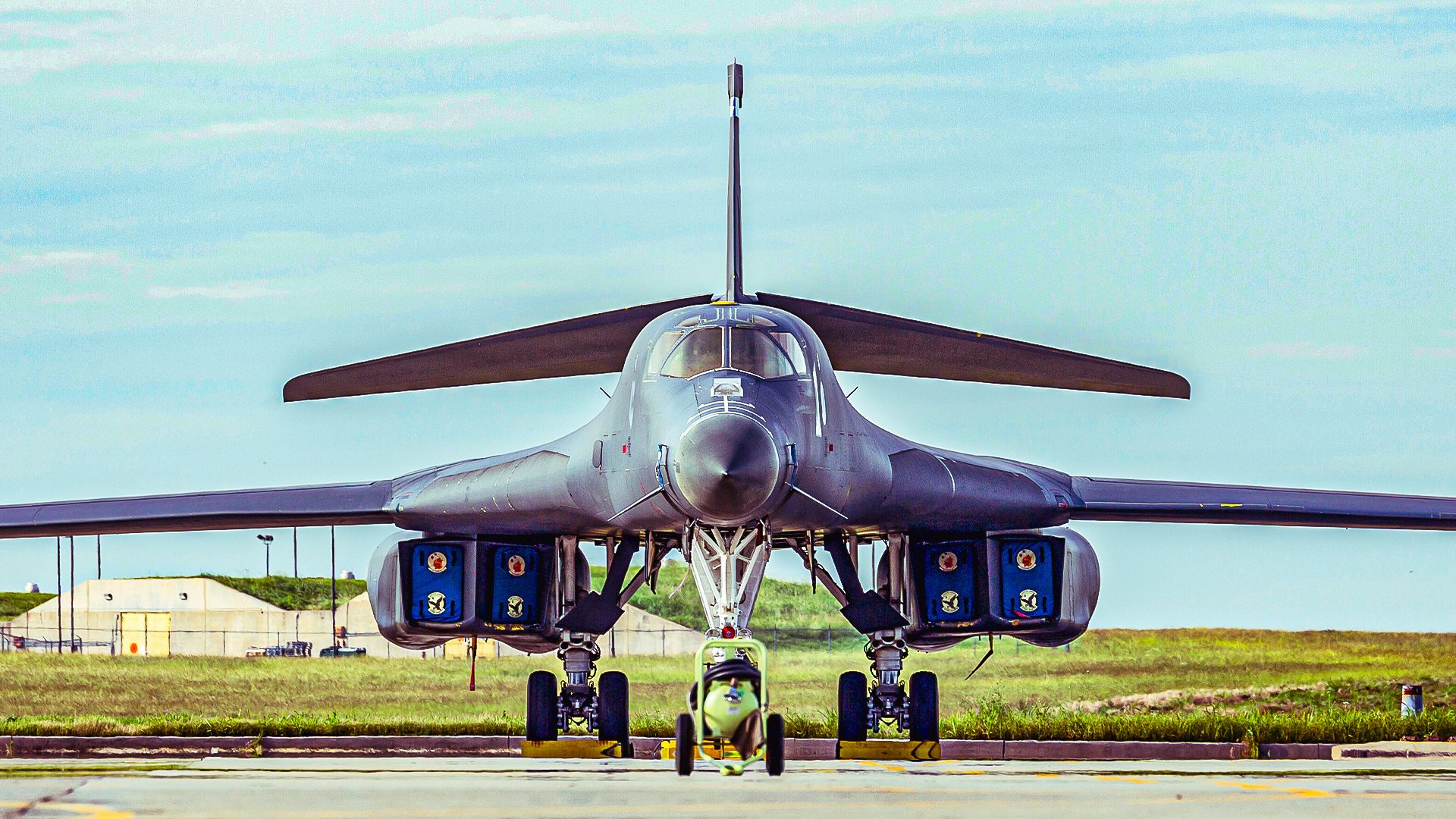
Reports indicate that the aerial bombardments targeted key military installations in the northeastern region of Thailand and western Cambodia, primarily around the Preah Vihear Province. According to the Thai military, the strikes were a response to artillery fire directed at Thai forces from Cambodian territory, approximately 20 kilometers from the border. Conversely, Cambodian officials claim that their military acted in self-defense following provocations by Thai troops.
As tensions escalate, both governments have expressed a commitment to protect their sovereignty. Thailand’s Prime Minister has called for an emergency meeting with military leaders to discuss the situation and strategize a response. In a statement, he emphasized the importance of national security and the need for a decisive action plan. Meanwhile, Cambodia’s Prime Minister has condemned the airstrikes as “unjustified aggression,” urging international observers to intervene.
The recent violence marks a significant setback to peace efforts that were gaining momentum. In late February, Donald Trump had been involved in discussions aimed at de-escalating the conflict, proposing a framework for negotiations to resolve the border disputes that have simmered for decades. His involvement had been welcomed by both parties, who had previously engaged in lengthy talks regarding demarcation and resource-sharing.
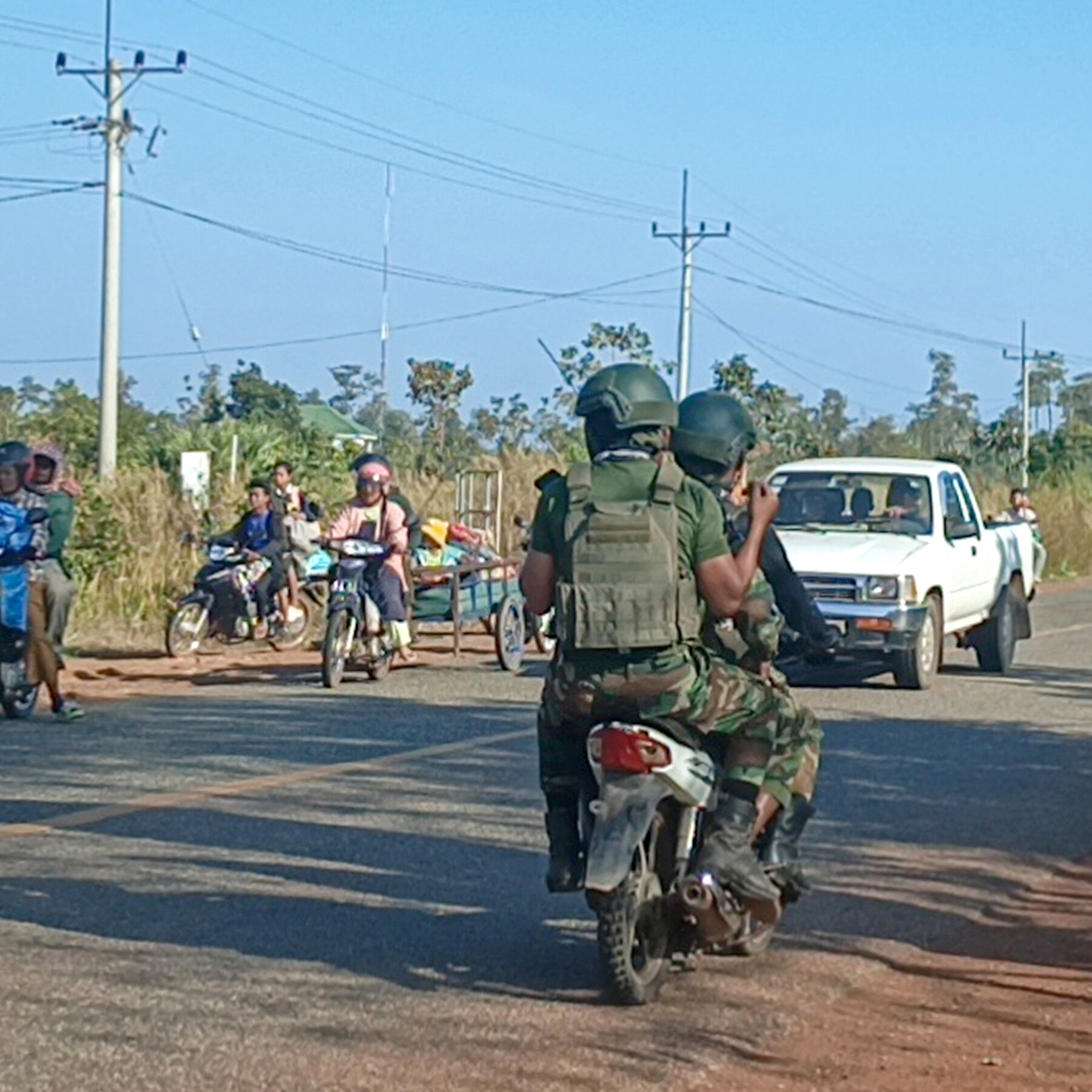
Local communities along the border are now facing the consequences of the renewed conflict. Residents report increased military presence and fear of further escalation. Many have fled their homes, seeking refuge in safer areas as the situation remains volatile. Humanitarian organizations are calling for immediate access to assist those affected, highlighting the urgent need for aid.
International responses to the conflict have been mixed. While some nations have urged restraint and dialogue, others are monitoring the situation closely, given the potential implications for regional stability. The United Nations has reiterated its support for diplomatic resolution, emphasizing that military action will only exacerbate the humanitarian crisis.
As the situation develops, both Thailand and Cambodia face critical decisions about their next moves. Continued fighting could lead to significant casualties and further complicate peace efforts that had recently shown promise. Analysts suggest that the international community’s involvement may be crucial in facilitating a return to negotiations, preventing further escalation, and addressing the underlying issues that have fueled this conflict for years.
The unfolding events highlight the fragile nature of peace in the region and the complexities of international diplomacy. As both nations navigate this precarious situation, the hope for a peaceful resolution remains uncertain.