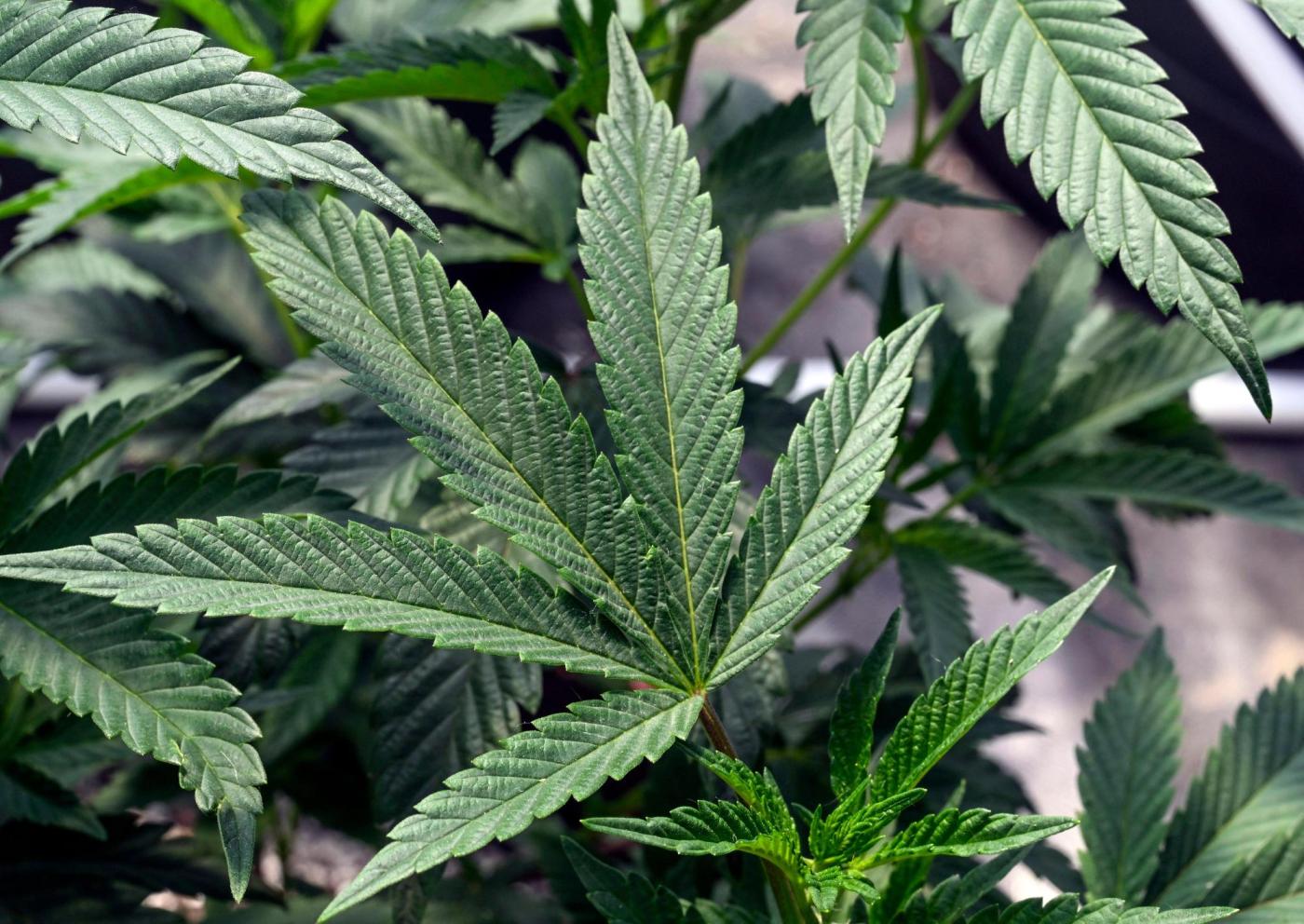
President Donald Trump has signed an executive order aimed at expediting the reclassification of marijuana from a Schedule I to a Schedule III drug. This move, which seeks to acknowledge the medicinal value of cannabis, has sparked debate about who stands to gain the most from such a change. While marijuana businesses and researchers may benefit significantly, experts suggest that individual users might not see substantial advantages.
At a signing ceremony, Trump emphasized the need for this reclassification, stating, “We have people begging for me to do this. People that are in great pain.” He highlighted the plight of American patients suffering from chronic conditions, including aggressive cancers and neurological disorders. Public sentiment appears to support this initiative; according to the Pew Research Center, nearly 90% of Americans favor legalizing marijuana for at least medical use.
Understanding the Implications of Reclassification
Currently, Schedule I drugs, such as heroin, are classified as having no accepted medical use and a high potential for abuse. In contrast, Schedule III drugs, such as Tylenol with codeine and testosterone, are recognized for their medical value. Katharine Neill Harris, a drug policy expert at Rice University, noted that reclassification would more accurately reflect marijuana’s medical potential and its abuse risk.
The immediate beneficiaries of this change are expected to be the cannabis industry, particularly in states where medical and recreational marijuana use is already legal. Under the current Schedule I classification, these businesses face significant challenges, including the inability to take federal tax deductions. Transitioning to Schedule III would allow them to access these tax benefits, potentially enhancing their profitability.
Moreover, Harris pointed out that research on marijuana has been limited by its Schedule I status. She expressed hope that reclassification would streamline the research process, enabling studies to focus on products that resemble what users actually consume.
Challenges for Individual Users
Despite the potential benefits for businesses and researchers, Harris cautioned that individual marijuana users may not see significant changes. Reclassification would not legalize marijuana on a federal level or eliminate criminal penalties associated with its use. Additionally, while it might help reduce the stigma surrounding marijuana, Harris noted that this perception has already been shifting due to state-level legalization efforts.
As for the timeline regarding this reclassification, it remains uncertain. Harris speculated that if the process is expedited as intended, it could be completed relatively soon, possibly by early 2024. However, she acknowledged that this timeline is speculative.
The executive order represents a significant step in the ongoing discourse surrounding marijuana policy in the United States. As the nation grapples with evolving attitudes toward cannabis, the implications of this reclassification will undoubtedly continue to unfold.