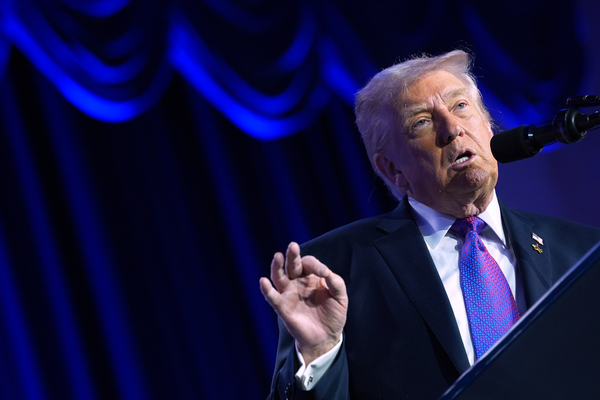
President Donald Trump has agreed to significantly increase beef imports from Argentina as part of a new trade deal that faces criticism from some sectors of the U.S. agriculture industry. The announcement is expected to be formalized in an Executive Order on Friday, according to a White House official and three sources who requested anonymity to discuss the plan.
The deal will more than quadruple the existing import quota for beef from Argentina, allowing the United States to purchase an additional 20,000 metric tons of beef each quarter. This change follows initial discussions reported by POLITICO in October regarding potential adjustments to trade relations.
In an effort to mitigate backlash from U.S. ranchers and agricultural groups, the president’s plan includes concessions such as new market access for American farmers in Argentina. Additionally, there will be restrictions on the types of beef that can be imported, as well as a set expiration date for these imports. These measures aim to address concerns raised by farm-state Republicans and others who have historically opposed expanded imports.
According to White House spokesperson Anna Kelly, “President Trump pledged to ink fairer trade deals while supporting our nation’s agriculture industry. Promises made, promises kept!”
Despite the administration’s assurances, the increase in imports has sparked outrage among some agricultural leaders. They argue that boosting imports could undermine the U.S. beef market, which has been recovering from various economic pressures. Critics within the industry express concern that this trade agreement will lead to increased competition, potentially harming U.S. ranchers who are still navigating the impacts of previous trade deals and the COVID-19 pandemic.
The trade deal with Argentina is part of a broader strategy by the Trump administration to renegotiate various international trade agreements. By focusing on key agricultural products like beef, the administration hopes to strengthen economic ties with major South American exporters.
As the details of the order are finalized and await formal announcement, stakeholders in both the U.S. and Argentina will be closely monitoring its implications for their respective agricultural sectors.