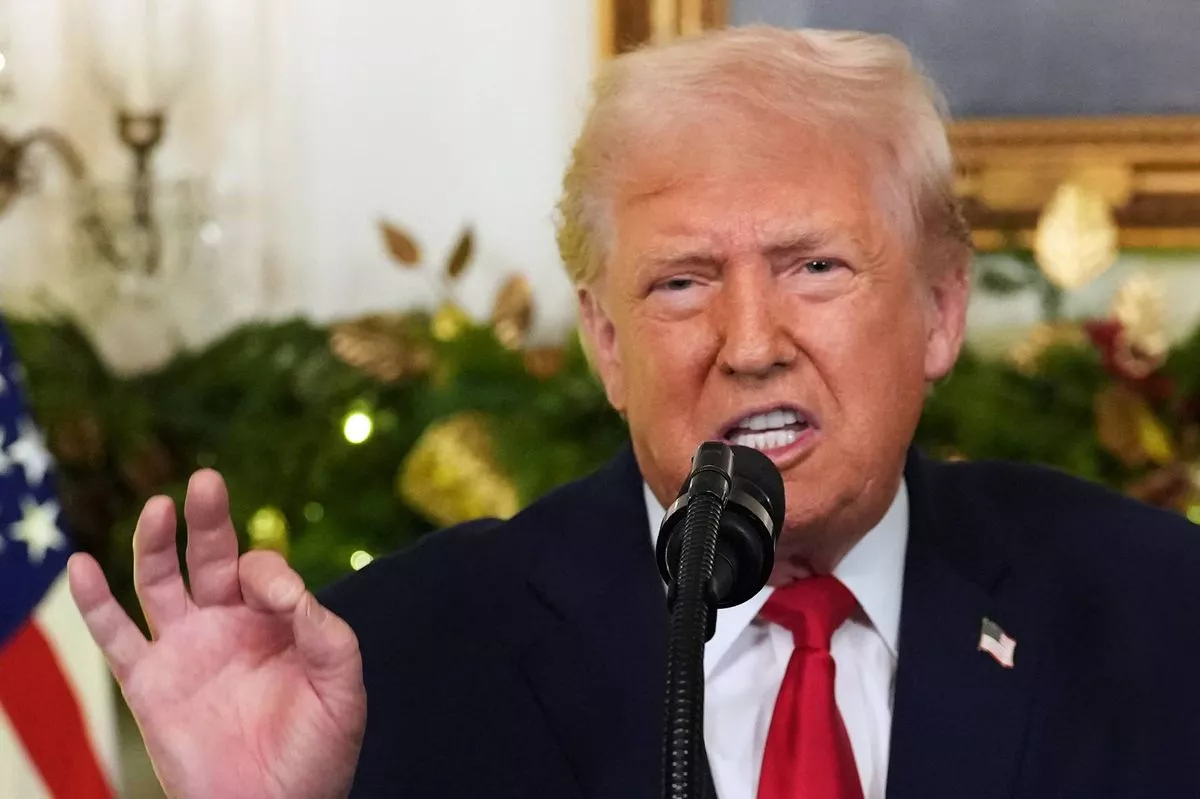
U.S. allies have expressed strong condemnation following remarks made by former President Donald Trump regarding NATO’s role in Afghanistan. During a recent interview, Trump stated that the United States had “never needed” its NATO allies, suggesting that allied troops remained “a little off the front lines” throughout the two-decade conflict. His comments have sparked outrage among military veterans, families of fallen soldiers, and politicians across Europe.
Trump’s statements, made in April 2023, come as NATO reflects on its 20-year involvement in Afghanistan, which began in response to the September 11 attacks in 2001. The alliance’s collective military efforts were aimed at dismantling terrorist networks and establishing stability in the region. With the withdrawal of U.S. and NATO forces in 2021, the situation in Afghanistan has become increasingly complex.
International Outcry from Military Communities
The reaction from European military veterans has been particularly vocal. Many have criticized Trump for undermining the sacrifices made by troops from various NATO countries. NATO Secretary General Jens Stoltenberg emphasized the importance of collective defense, stating, “NATO allies fought side by side, and many paid the ultimate price.” Stoltenberg’s remarks highlight the shared commitment and sacrifices of allied forces during the protracted conflict.
Families of fallen soldiers have also voiced their discontent. Marie Dupont, a spokesperson for a coalition of military families in France, expressed that Trump’s comments “disrespect the memory of those who gave their lives.” Her statement resonates with many who believe that the achievements of NATO in Afghanistan should not be diminished by political rhetoric.
Political leaders across Europe have joined the chorus of criticism. Ursula von der Leyen, President of the European Commission, stated, “The strength of NATO lies in our unity and shared purpose.” Her comments reflect the consensus among European leaders that NATO’s collaborative efforts were crucial in addressing the challenges posed by terrorism and instability in Afghanistan.
Implications for Future NATO Relations
Trump’s comments raise questions about the future of NATO relations, particularly in the context of U.S. leadership. As the alliance looks to adapt to new global threats, the perception of American commitment remains paramount. James Mattis, former U.S. Secretary of Defense, warned that “comments like these can weaken the alliance and embolden adversaries.”
The backlash also underscores the ongoing debate surrounding national defense and international cooperation. Many analysts argue that strong alliances are essential for addressing security challenges in an increasingly multipolar world. As NATO contemplates its next steps, the unity and resolve of its member states will be tested in the face of shifting political landscapes.
In conclusion, Trump’s remarks have ignited a significant international debate about the role of NATO in global security. The condemnation from military veterans, families, and politicians illustrates the enduring impact of the alliance’s efforts in Afghanistan. As NATO confronts future challenges, the need for unity and cooperation remains more crucial than ever.