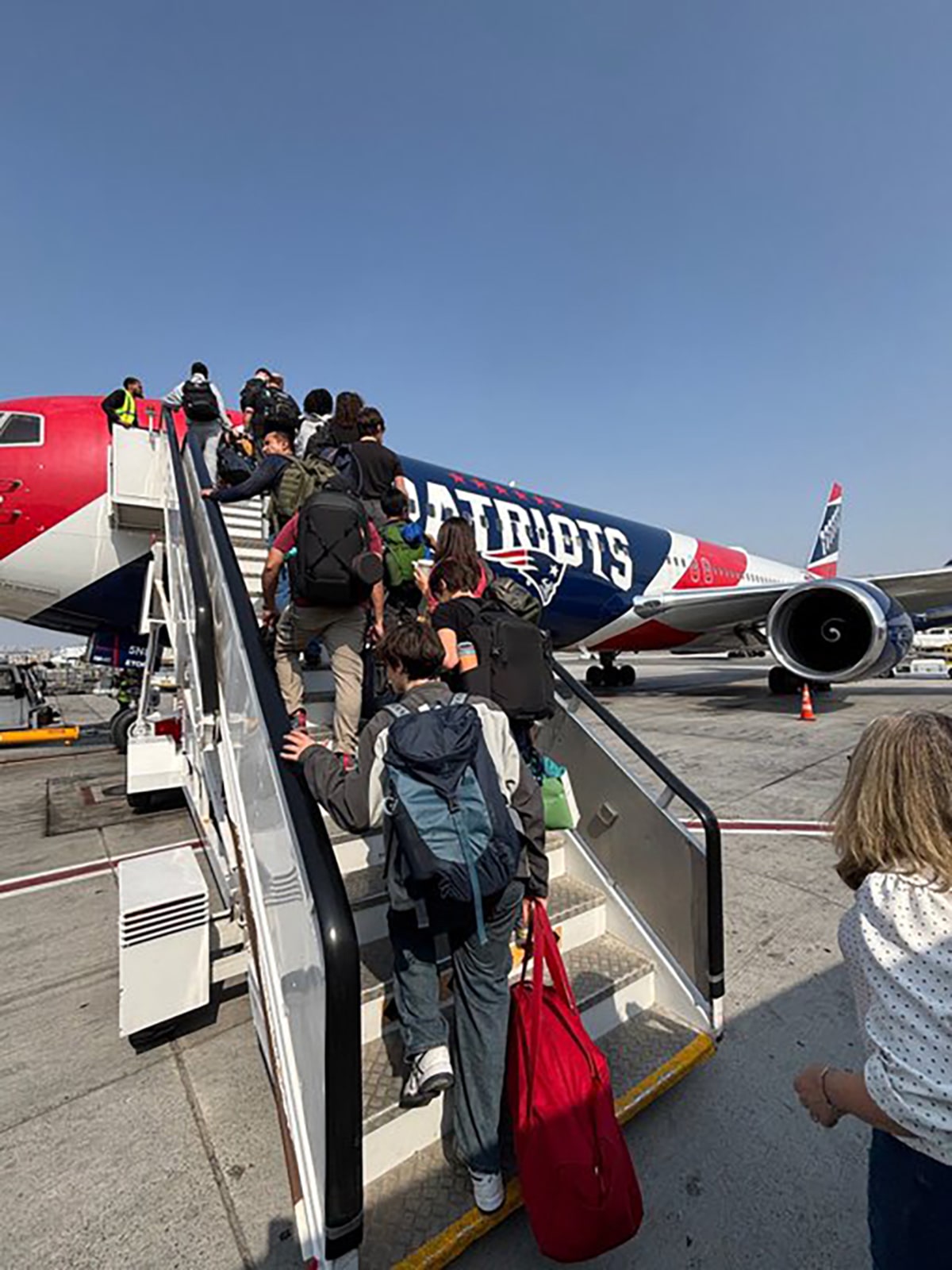
Americans stranded in the Middle East are voicing their frustration over what they perceive as a lack of support from the U.S. government. Following a recent military strike against Iran, the U.S. State Department issued a warning advising citizens to leave the region promptly. This directive has left many feeling abandoned and unsure of their next steps.
The State Department’s warning was announced on October 6, 2023, shortly after the U.S. conducted airstrikes targeting Iranian military assets. The strikes were reportedly a response to escalating tensions between the two nations. As a result, many Americans found themselves in a precarious situation, with limited options for safe exit.
John Smith, a U.S. citizen currently in Iraq, described his experience as “terrifying.” He mentioned that he had attempted to contact the U.S. embassy for assistance but received little guidance. “We were told to leave, but there are no flights available and the borders are closed,” he stated. Many others have echoed similar sentiments, expressing their disappointment with the government’s response.
Challenges Faced by Stranded Citizens
The ongoing conflict has not only affected the ability of Americans to exit the region but has also raised concerns over their safety. Reports indicate that commercial flights have been significantly reduced, leaving many stranded without clear avenues for evacuation. In addition, local transportation options have become increasingly limited due to heightened security measures.
Lisa Johnson, another American stuck in Lebanon, shared her frustration. “It feels like we are being left to fend for ourselves. We need help, and we need it now,” she remarked. The lack of timely communication from the State Department has compounded the anxiety felt by those affected.
The U.S. State Department has emphasized the importance of citizens registering with their embassies while traveling abroad. However, many stranded individuals have reported that registration did not translate into timely support during this crisis. The embassy in Beirut has stated that it is working to provide resources, yet many feel the response has been insufficient given the urgency of the situation.
Government Response and Future Actions
In light of these developments, officials have reiterated their commitment to assisting U.S. citizens abroad. A spokesperson for the State Department stated, “We are actively monitoring the situation and are committed to ensuring the safety of Americans overseas.” However, the reality on the ground suggests that many individuals remain uncertain about their safety and future.
As tensions between the U.S. and Iran continue to escalate, the plight of stranded Americans raises questions about the adequacy of support systems in place for citizens in conflict zones. The situation highlights the need for clearer communication and more robust evacuation plans in times of crisis.
The experiences of U.S. citizens in the Middle East serve as a stark reminder of the challenges faced when geopolitical tensions rise. As they navigate this uncertain landscape, many are left hoping for swift action from their government to ensure their safe return home.