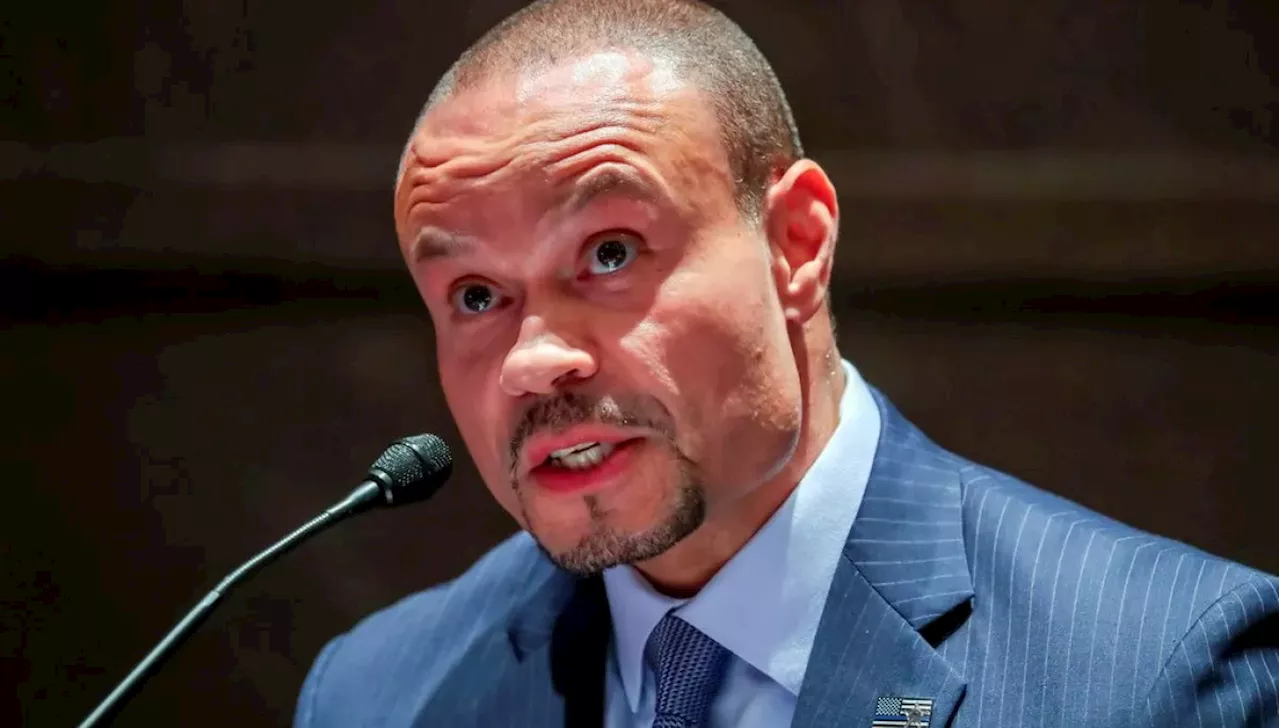
FBI Deputy Director Dan Bongino has publicly defended the leadership of FBI Director Kash Patel in response to a series of critical headlines regarding the bureau’s internal dynamics. Bongino characterized the attacks as politically motivated, asserting that anonymous agents are attempting to undermine the current administration through “gossipy nonsense” leaked to the media. He emphasized the importance of judging the FBI’s performance based on its results rather than sensational media narratives.
The criticism comes amidst a report that paints Patel’s first six months in charge as chaotic, describing the FBI as a “rudderless ship” under his and Bongino’s leadership. Sources within the agency have reportedly characterized the leadership team as inexperienced and overly focused on media presence and self-promotion. An appeals court ruling has also found that Alina Habba unlawfully served as the top prosecutor in New Jersey, further complicating the narrative surrounding the FBI’s current challenges.
Bongino responded to the negative portrayal, stating, “I work for you, not for headlines,” and urged the public to consider the significant reforms implemented under Patel’s leadership. Despite his defense, the report claims that some within the bureau perceive Patel as “in over his head,” while Bongino has been described as “something of a clown.” The authors of the report, who identify as generally supportive of former President Donald Trump, assert that their goal is not to create a “hit piece” but to highlight concerns over low morale and operational uncertainty within the FBI.
The report contains critical anecdotes about Patel’s conduct, including an incident following the assassination of conservative activist Charlie Kirk in Utah. It alleges that Patel refused to leave an aircraft until agents found and modified a specific FBI raid jacket for him. This incident, along with claims that agents were redirected from other assignments to handle document redactions, has raised concerns about the bureau’s operational efficiency. One veteran agent noted that such distractions have caused “significant” reputational damage to the FBI.
In addition to operational issues, the report highlights allegations that Patel demanded polygraph examinations for personnel who voiced internal criticisms. Concerns were also raised regarding his handling of firearm requests and a perceived overemphasis on social media presence by both Patel and Bongino. Despite these criticisms, some contributors acknowledged Patel’s efforts to roll back diversity and inclusion initiatives and refocus the bureau on casework rather than administrative roles.
Bongino’s defense of Patel comes as speculation mounts regarding the director’s future, particularly with the impending arrival of Andrew Bailey, who is set to assume Patel’s role in an acting capacity starting on December 15, 2023. Bailey, a former Republican attorney general for Missouri, was appointed to the bureau on September 15, 2023. While the White House has dismissed rumors about Patel’s potential dismissal, the FBI has not publicly commented on the report.
As the FBI navigates these challenges, the internal divisions may reflect broader issues within the agency, particularly those stemming from political affiliations. The report suggests that some special agents harbor resentment towards the Trump administration, citing what they term “Trump Derangement Syndrome.” The authors contend that embedded factions resistant to the current leadership are exacerbating the FBI’s operational difficulties.
Moving forward, the report urges Patel and Bongino to take the criticisms seriously if they hope to achieve meaningful reforms. Bongino has previously addressed media narratives, expressing frustration over what he called “nonsensical media fairytales.” He highlighted his extensive experience, stating, “I held a security clearance while protecting Democrat and Republican presidents for over ten years.” His assertion aimed to reinforce his qualifications for his current position.
The scrutiny surrounding FBI leadership underscores the complexities of managing an agency that has faced intense political scrutiny in recent years. As the bureau continues to grapple with these issues, the implications for its operations and public perception remain significant.