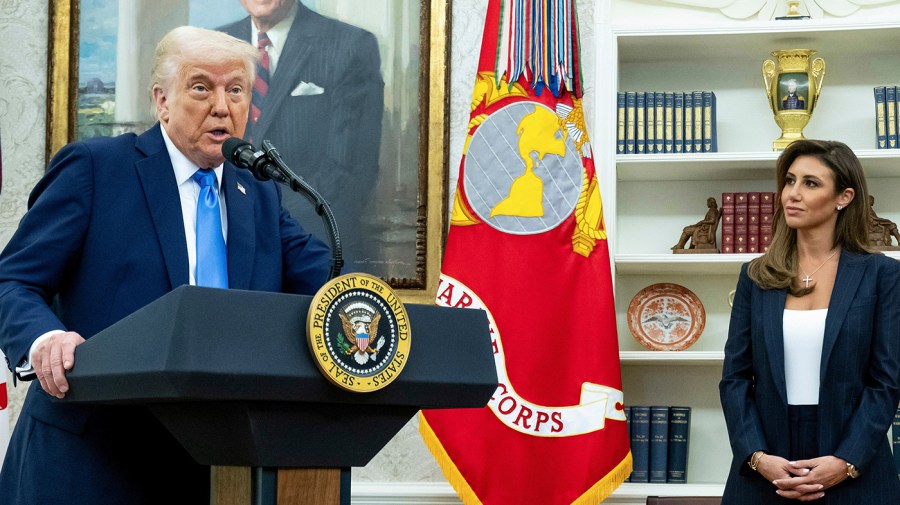
Former President Donald Trump encountered significant challenges in his efforts to retain loyalist U.S. attorneys as two key federal prosecutors announced their resignations. On September 29, 2023, Julianne Murray, the chair of the Delaware Republican Party who was appointed as the top federal prosecutor, confirmed she would step down. This announcement followed closely on the heels of Alina Habba, who also declared her departure from her position as the federal prosecutor in New Jersey.
Both prosecutors cited ongoing difficulties associated with their leadership roles as the primary reason for their resignations. Murray’s announcement came as part of a broader trend within the Trump administration, where loyalty to the former president has not shielded officials from the burdens of their positions. The resignations highlight the complexities and pressures faced by those in high-profile roles within the federal justice system, particularly during a period marked by intense political scrutiny.
While serving as Delaware’s top federal prosecutor, Murray’s role was pivotal in managing cases that often drew national attention. Her resignation raises questions about the future direction of prosecutions in the state, particularly as they relate to cases involving political figures. Similarly, Habba’s exit from New Jersey’s federal prosecuting office signals a potential shift in the local legal landscape, especially regarding ongoing investigations linked to the former president.
These developments reflect a broader narrative of instability among Trump-appointees in the federal justice system. With both prosecutors stepping down, the implications extend beyond individual careers, impacting the operational integrity of U.S. attorneys across the nation. As new leadership takes over, the federal prosecutorial landscape may evolve significantly.
The departures of Murray and Habba signal a crucial turning point as Trump continues to exert influence over the Republican Party. Their resignations come amid a backdrop of increasing scrutiny regarding the actions of federal prosecutors and the political motivations behind their decisions. The balance between legal independence and political loyalty remains a contentious issue, one that continues to shape the discourse surrounding the U.S. justice system.
As the political climate evolves, the ramifications of these resignations may resonate throughout the legal community, influencing both ongoing and future cases. The departures also prompt broader discussions on the role of loyalty within the judicial framework and how it affects public trust in legal proceedings.
In light of these resignations, observers are left to consider the long-term implications for Trump’s strategy in maintaining loyalists within critical legal positions. The challenges faced by Murray and Habba serve as a reminder of the complexities involved in navigating political allegiance and professional responsibilities within the U.S. justice system.