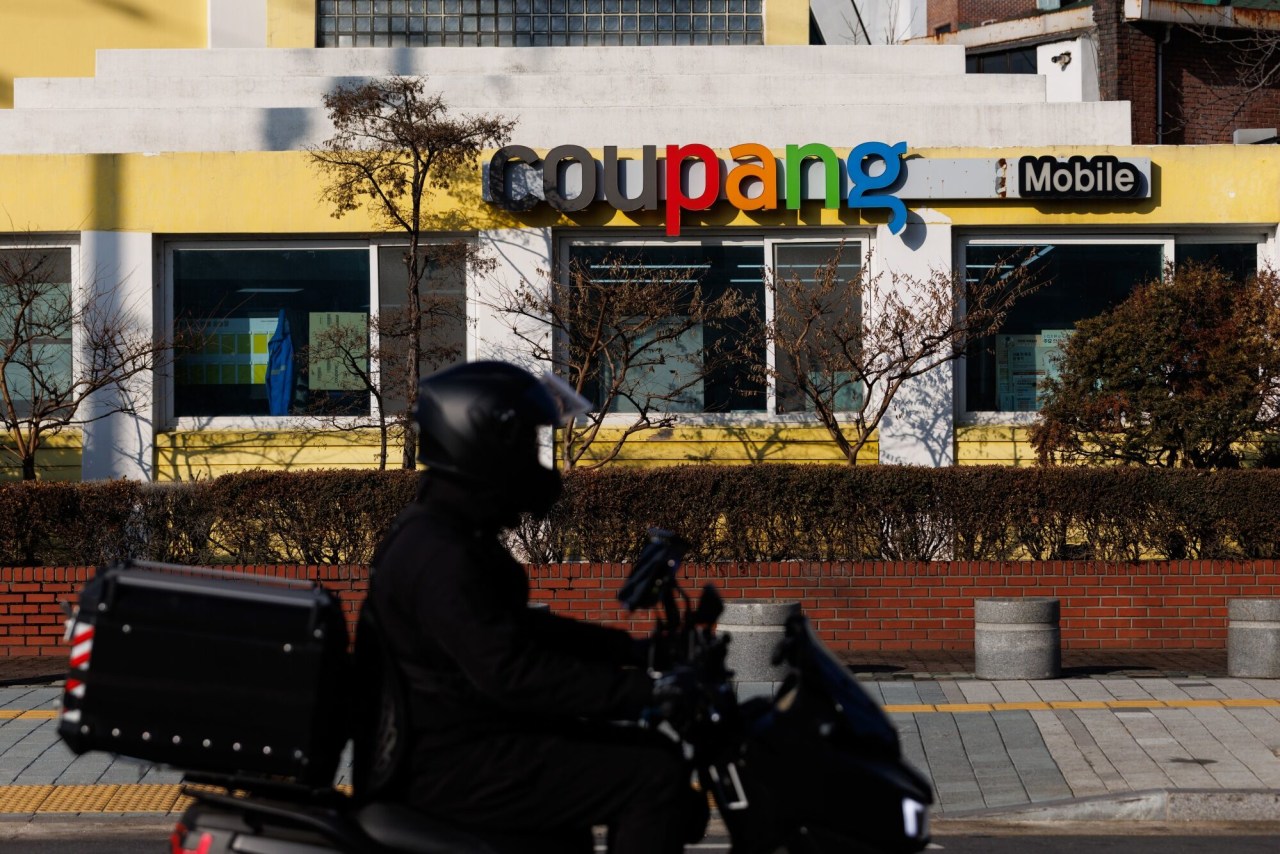
A significant data breach at Coupang, South Korea’s largest e-commerce platform, has exposed the personal information of nearly 37 million individuals. The breach, which reportedly went undetected for several months, compromised sensitive data including names, phone numbers, and addresses.
The incident raises serious concerns about cybersecurity practices within major corporations. According to statements from the Ministry of Science and ICT, the breach was traced back to vulnerabilities in Coupang’s system. Investigators have indicated that the compromised data could be exploited for identity theft and fraud.
The breach was discovered in early October 2023, triggering an immediate response from both the company and the government. Coupang has stated it is taking steps to enhance its security measures and prevent any future incidents. In a public announcement, the company expressed regret for the breach and emphasized its commitment to protecting customer data.
The scale of the breach is alarming, as it potentially impacts almost every adult in South Korea who has engaged with the platform. Coupang’s rapid growth in recent years has made it a cornerstone of the country’s online shopping landscape, often compared to the likes of Amazon.
Following the incident, the Ministry of Science and ICT is conducting a thorough investigation to assess the breach’s full impact and identify any lapses in security protocols. They have urged other companies to review their cybersecurity frameworks to safeguard against similar vulnerabilities.
Public reaction has been mixed, with many consumers expressing outrage over the lack of transparency regarding the breach. The incident has sparked a broader conversation about data privacy and the responsibility of companies to protect sensitive information.
As the investigation unfolds, it remains critical for Coupang to restore consumer trust. The company has pledged to cooperate fully with government inquiries and to provide support to affected individuals.
This breach highlights the ongoing challenges faced by major e-commerce platforms in maintaining robust cybersecurity measures. With the increasing reliance on digital transactions, the stakes for protecting consumer data have never been higher.