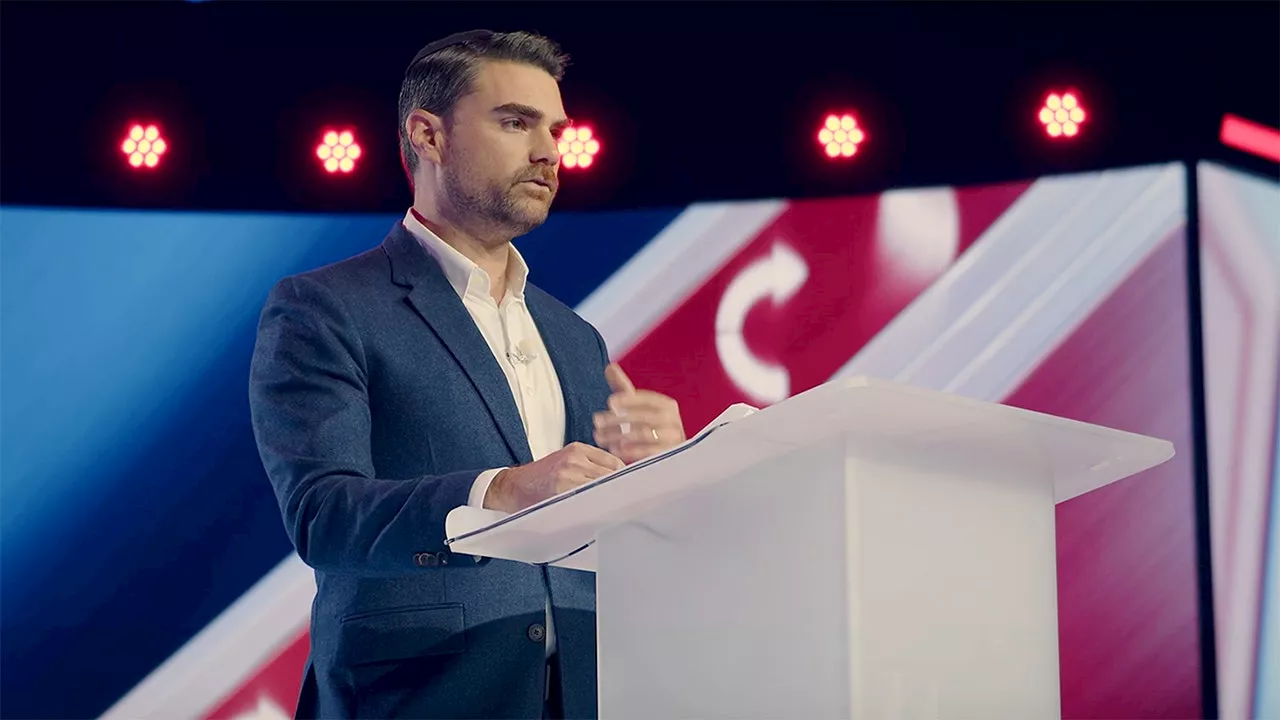
The AmericaFest conference, hosted by Turning Point USA (TPUSA), became a battleground for ideological disputes within the MAGA movement as prominent conservative figures Ben Shapiro and Tucker Carlson engaged in a public dispute. This confrontation underscored significant divisions regarding the platforming of controversial personalities and the broader definition of conservatism.
Public Dispute Reveals Deep Divisions
During the event, Shapiro, co-founder of The Daily Wire, criticized Carlson for featuring individuals such as white nationalist Nick Fuentes on his platform. He accused Carlson and others of fostering conspiratorial narratives and dishonesty, asserting that hosts hold responsibility for their guests. Shapiro’s remarks included a reference to the late TPUSA founder Charlie Kirk, who opposed Fuentes, labeling the decision to elevate Fuentes as morally irresponsible.
Shapiro’s speech set a confrontational tone, reflecting a significant divergence within the conservative landscape. Following Shapiro’s critique, Carlson took the stage and appeared to mock the criticism, suggesting it was amusing to hear calls for ‘deplatforming’ at an event associated with Kirk. He defended himself against accusations of antisemitism, emphasizing his opposition to hatred based on an individual’s background. Carlson dismissed the notion of a civil war within the Trump coalition, claiming it remains united despite the visible tensions.
Kelly’s Critique and Further Tensions
The next day, former Fox News host Megyn Kelly joined the discussion, criticizing Shapiro for attempting to position himself as a gatekeeper of the conservative movement. She announced the end of their friendship and recounted their past support for one another, emphasizing that their disagreement was not rooted in their shared views on Israel but rather in the treatment of Carlson. Kelly rejected the idea of excommunicating Carlson from conservative circles, arguing that such actions do not reflect the movement’s ideals.
The exchanges at AmericaFest illuminated the ongoing ideological battles within the MAGA movement. As different factions vie for influence, the event highlighted the struggles over the future direction of conservatism. The confrontation between Shapiro and Carlson, coupled with Kelly’s remarks, showcases the complexities of defining conservatism in today’s political climate.
The tensions at the conference signal a struggle for control within the right-wing coalition, with leaders and commentators attempting to shape the movement’s trajectory. As these public disputes unfold, they may influence not only the dynamics of the MAGA movement but also the broader conservative landscape leading into future political engagements.