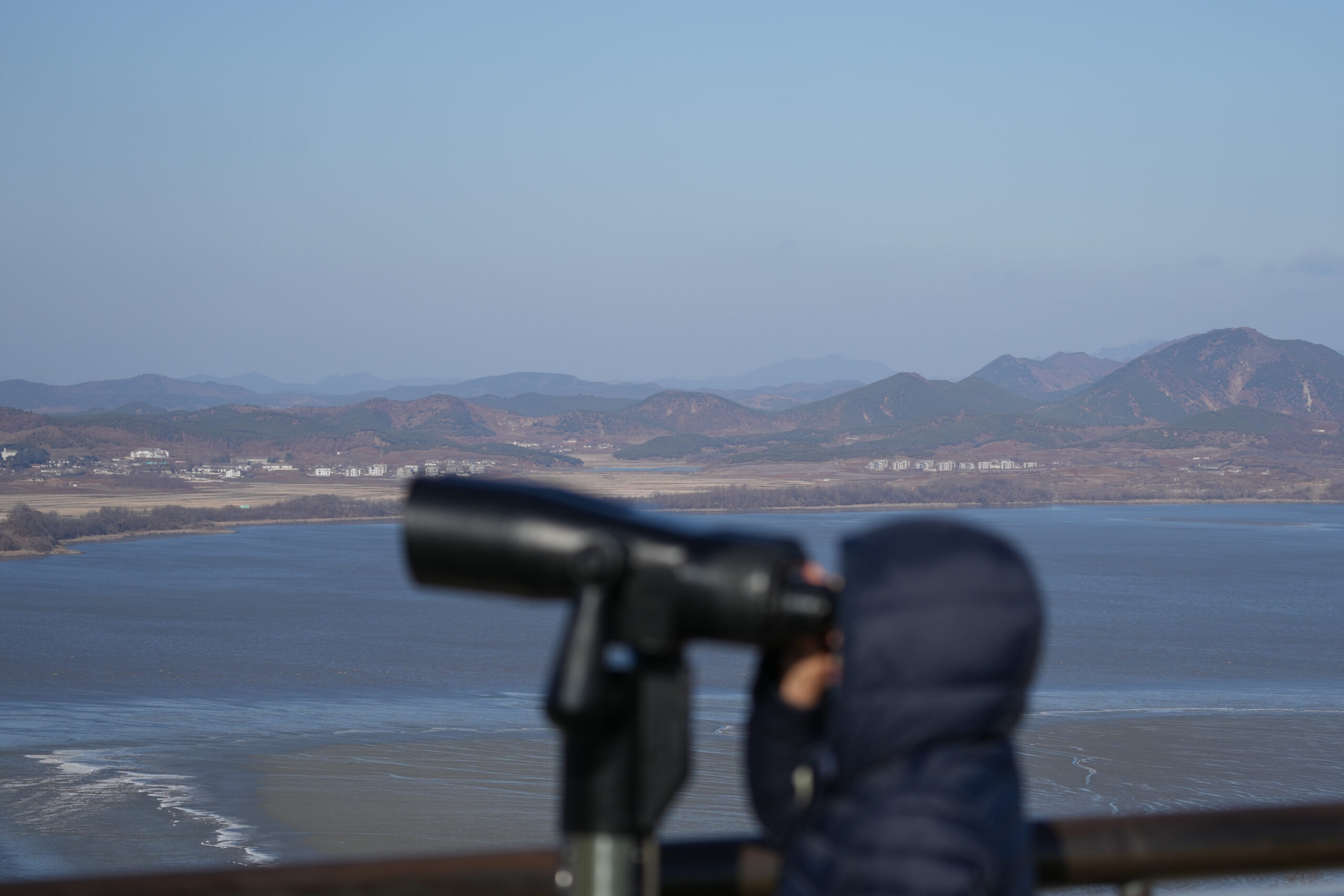
North Korea has conducted multiple ballistic missile launches toward the sea, according to South Korea’s military. The launches took place on Sunday morning, with the South Korean Joint Chiefs of Staff reporting that the missiles were fired from North Korea’s capital region around 07:50 local time. The projectiles were aimed towards the eastern waters of North Korea, although specific details regarding the distance traveled have not been disclosed.
In response to the missile tests, South Korea has heightened its surveillance measures and is actively sharing intelligence with the United States and Japan concerning North Korean activities. Japan’s defense ministry has also confirmed the detection of suspected missile launches from North Korea. Fortunately, there have been no immediate reports of damage resulting from these actions.
Context and Implications of the Launches
Experts suggest that North Korea is likely intensifying its weapons tests as a means to showcase its advancements in defense ahead of the upcoming Workers’ Party congress, the first in five years. Observers are particularly interested in the congress, which may set the tone for North Korea’s policies regarding the United States and its response to calls for long-stalled diplomatic discussions. Although the exact dates for the congress have not been announced, South Korea’s intelligence agency indicates it is expected to take place in January or February 2025.
The timing of the missile launches is significant, coinciding with South Korean President Lee Jae Myung’s planned trip to China for a summit with President Xi Jinping. During this four-day visit, Lee intends to urge China to play a “constructive role” in fostering peace on the Korean Peninsula.
Earlier in the week, North Korea had claimed to have successfully fired long-range strategic cruise missiles into the sea. Additionally, the country recently released images indicating progress in the construction of its first nuclear-powered submarine, further emphasizing its military ambitions.
As tensions continue to rise, the international community remains vigilant, monitoring North Korea’s actions and the potential implications for regional stability.