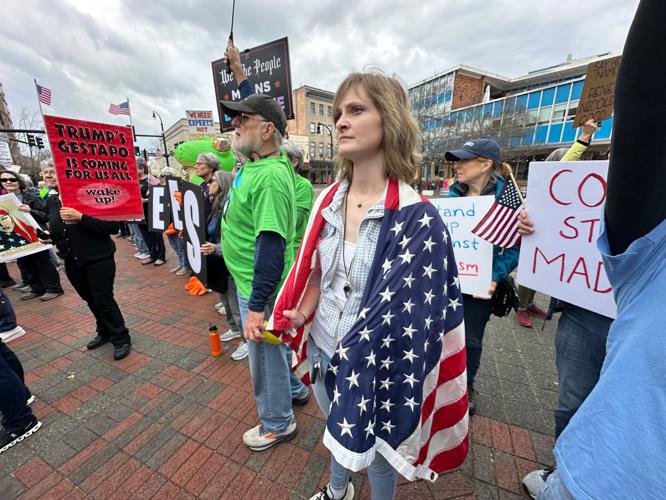
Protests erupted across the United States in response to the recent fatal shooting of activist Renee Good in Minneapolis and the subsequent shooting of two protesters in Portland, Oregon. Demonstrators gathered in numerous cities, calling for an end to the operations of the U.S. Immigration and Customs Enforcement (ICE) and highlighting concerns over police violence against activists.
In Minneapolis, protesters expressed their grief and outrage over the death of Good, a well-known figure in the anti-ICE movement. Witnesses reported that the shooting occurred during a demonstration where activists were voicing their opposition to ICE’s policies and practices. The incident has raised questions about the treatment of protesters and the role law enforcement plays during these gatherings.
Protests Spread Across Major Cities
The protests were not confined to Minnesota. Significant demonstrations also took place in cities like New York, Los Angeles, and Chicago, where activists demanded accountability for the recent violence. In Portland, the atmosphere turned tense after two protesters were shot during a gathering. Local authorities have confirmed that the investigation into these shootings is ongoing.
Many demonstrators carried signs and chanted slogans calling for justice for Good and all individuals affected by ICE’s enforcement actions. The movement has gained traction in recent years, fueled by growing discontent over immigration policies and police brutality.
As the protests unfold, community leaders and activists are emphasizing the need for systemic change. They argue that the issues surrounding immigration enforcement and law enforcement practices are deeply intertwined and must be addressed together.
Calls for Accountability and Reform
In the wake of these tragic events, various organizations have issued statements condemning the violence and calling for a thorough investigation into the shootings. The activist community is advocating for policy reforms that would not only hold law enforcement accountable but also re-evaluate the role of ICE in communities.
The protests serve as a reminder of the ongoing struggles faced by marginalized communities in the U.S. and the urgent need for dialogue about safety, justice, and immigration reform. As tensions rise, activists are determined to continue their fight for justice, asserting that the movement will not be silenced by violence.
The national conversation surrounding these issues is expected to continue in the coming weeks, as the protests highlight the urgent need for reform and accountability in both law enforcement and immigration practices.