The Moon phase for today, January 17, 2024, is a **Waning Crescent**, with only **2%** of its surface illuminated. As the lunar cycle approaches the New Moon, it will appear nearly dark to observers on Earth. This evening, viewers may notice a small sliver of light, but overall visibility is low due to its proximity to the New Moon, which occurs when the Moon is positioned between Earth and the sun.
The next significant lunar event is the **Full Moon**, scheduled for **February 1, 2024**. The previous Full Moon was on **January 3, 2024**, marking a transition through the various phases of the lunar cycle.
Understanding Moon Phases
Moon phases are a result of the Moon’s orbit around Earth, which lasts about **29.5 days**. During this time, the Moon passes through eight distinct phases, each characterized by varying visibility. As stated by **NASA**, the same side of the Moon always faces Earth, but the amount of sunlight illuminating it changes based on its position.
The eight phases of the lunar cycle include:
– **New Moon**: The Moon is situated between Earth and the sun, rendering it invisible.
– **Waxing Crescent**: A small portion of the Moon’s surface is lit, appearing as a sliver on the right side.
– **First Quarter**: Half of the Moon is illuminated on the right side, resembling a half-Moon.
– **Waxing Gibbous**: More than half of the Moon is lit, yet it is not completely full.
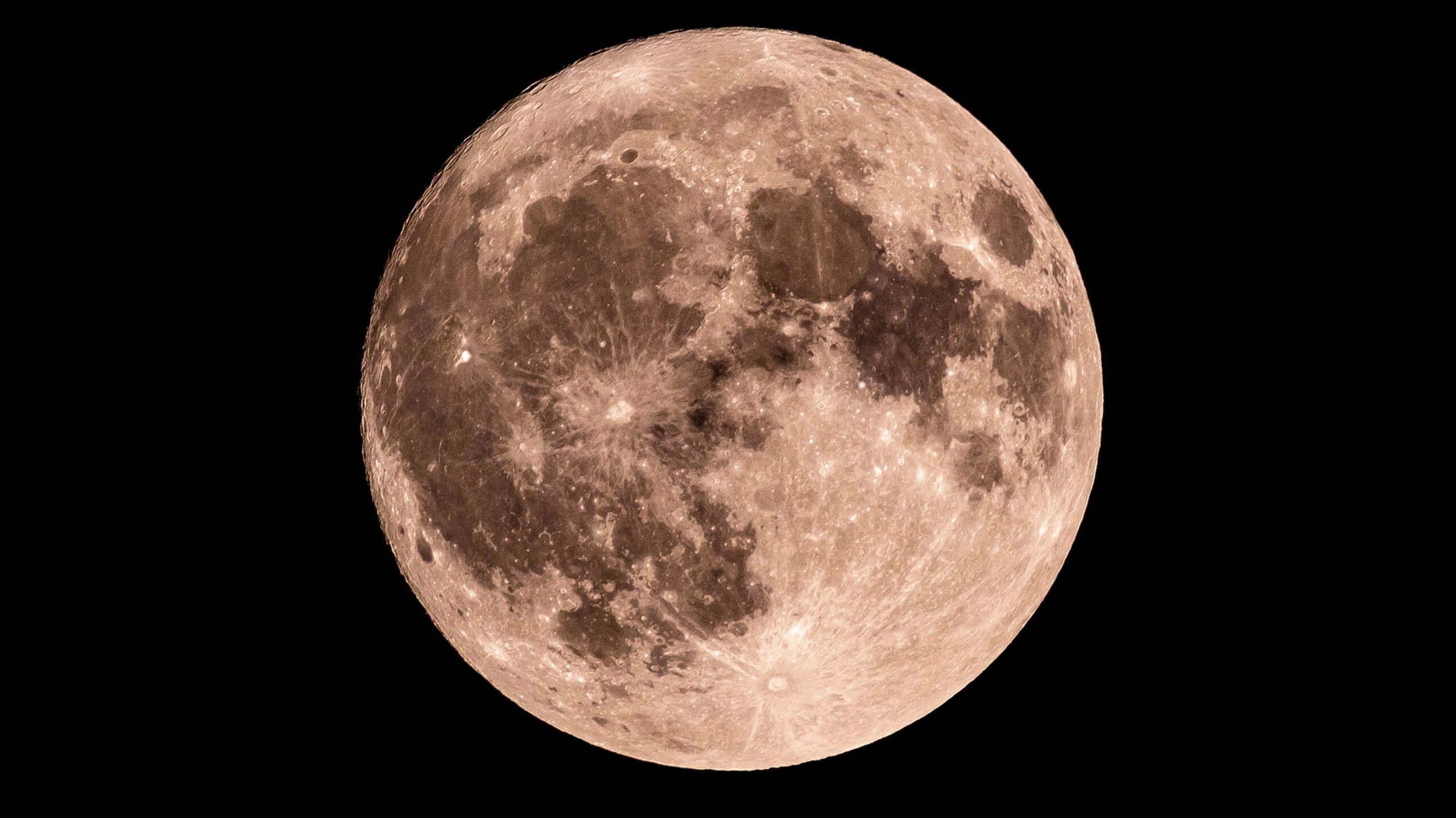
– **Full Moon**: The entire face of the Moon is fully illuminated.
– **Waning Gibbous**: The light begins to decrease on the right side.
– **Third Quarter (Last Quarter)**: Again, half of the Moon is visible, but now the left side is illuminated.
– **Waning Crescent**: A thin sliver of light remains on the left side as it approaches the New Moon once more.
These phases create a captivating visual experience in the night sky, inviting both casual observers and astronomy enthusiasts to explore the dynamics of our nearest celestial neighbor. Observing the Moon offers an opportunity to appreciate the intricate dance of celestial bodies and their impact on Earth.