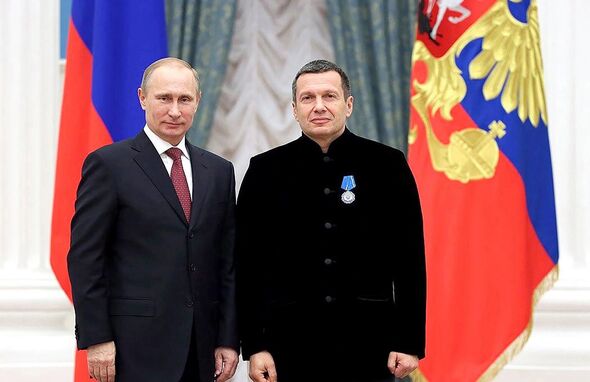
Tensions between Russia and the West escalated significantly as state-controlled Russian television aired chilling threats of nuclear action against the United Kingdom. This provocative rhetoric surfaced while President Vladimir Putin hosted representatives from the United States, including Donald Trump’s envoys Steve Witkoff and Jared Kushner, in Moscow. The discussions, which lasted nearly four hours, failed to produce any significant progress towards peace in Ukraine, particularly concerning Russia’s demands for the Donbas region.
In a stark display of military might, Russia deployed Tu-22M3 long-range strategic bombers over the Baltic Sea, prompting NATO to scramble fighter jets to monitor their movements. This military maneuver coincided with rising fears of nuclear contamination following recent Russian strikes on energy facilities near the notorious Chernobyl nuclear site. The timing of these actions has raised alarms within the international community.
During the televised broadcast, Sergei Karaganov, a prominent Kremlin ally known for his extreme views, suggested that a “disarming and decapitating strike” against Britain should be considered. He ominously warned viewers, “If even one warhead from any of them reaches Russia… then the strike will be on cities, and Britain will simply cease to exist.” Such comments starkly contradict any claims from Moscow of pursuing a genuine peace agreement with Ukraine.
Echoing these sentiments, television host Vladimir Solovyov proposed deploying the experimental Poseidon nuclear-armed underwater drone against the UK, asserting that this action could create a massive tsunami submerging the country. He characterized Britain as a systematic adversary, alleging that it could supply Ukraine with nuclear weapon components and tactical arms.
As NATO continues to monitor Russian military operations, the Kremlin has maintained that its strategic goals in Ukraine will not change. Following the meeting with Trump’s representatives, Yury Ushakov, a senior aide to Putin, indicated that Russia remains committed to achieving its objectives through military means until a political solution is realized. He emphasized that the “territorial issue” surrounding the Donbas must be resolved before any long-term settlement can be discussed.
A trilateral working group involving representatives from Russia, the United States, and Ukraine is scheduled to meet in Abu Dhabi on January 23, 2025. This meeting aims to address security issues, but expectations for a breakthrough are low. Ushakov confirmed that Admiral Igor Kostyukov, head of Russia’s military intelligence, would lead the Russian delegation.
Despite the ongoing military threats and aggressive rhetoric, the international community continues to watch closely as diplomatic efforts unfold. The situation remains precarious, with the potential for escalation into broader conflict looming large. As discussions proceed in Abu Dhabi, it is clear that the path to peace remains fraught with challenges and uncertainties.