The development of an environmentally friendly monitoring system has emerged, showcasing a cost-effective method for gathering crucial environmental data. The project, initiated by a user known as azwankhairul345, leverages readily available technology to create a functional environmental monitor that utilizes recycled materials.
The core of this innovative project is the Raspberry Pi Pico W, a microcontroller known for its processing power and connectivity capabilities. Designed to collect data from various sensors, the project employs off-the-shelf components including magnetic field sensors for measuring anemometer spins, as well as sensors for monitoring air quality, temperature, and humidity. These components are encased in a protective structure made from recycled plastic containers, showcasing a sustainable approach to technology.
Cost-Effective Materials and Design
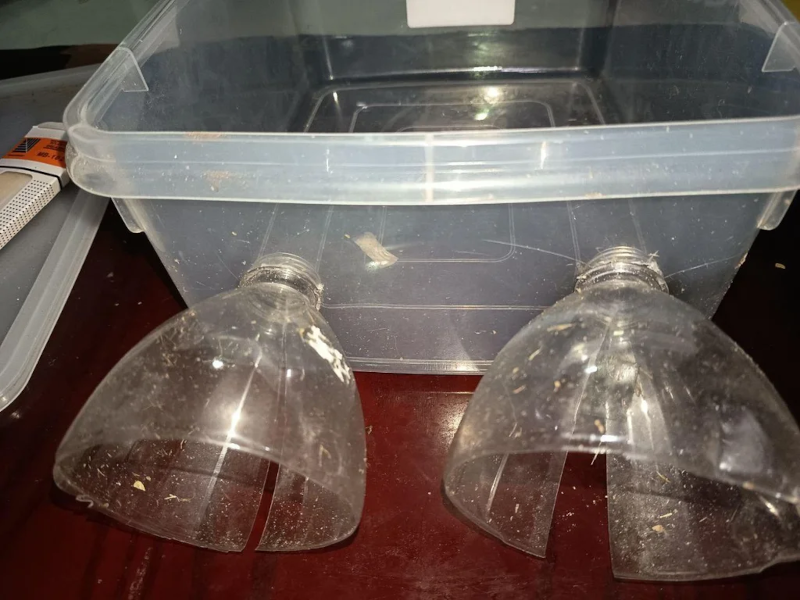
The choice to use recycled plastic not only minimizes costs but also aligns with environmental sustainability goals. The device’s protective casing features PVC pipe and plastic covers that resemble the tops of drink bottles, illustrating a creative reuse of materials that would otherwise contribute to waste.
A large power bank battery supplies energy to the device, although it lacks a recharging feature. As a result, the environmental monitor can operate continuously for approximately two days before requiring maintenance. This limitation may necessitate alternative power solutions depending on the specific monitoring requirements.
While this setup may not match the performance of traditional Hoffman box-style containers, it offers a promising alternative for those seeking a budget-friendly solution. Alternative sealing methods are available to protect the sensors from environmental elements, further enhancing the reliability of the device.
Implications for Environmental Monitoring
The success of this project underscores an important shift in how environmental monitoring can be approached. By utilizing accessible technology and sustainable materials, initiatives like this can provide vital data on local environmental conditions without incurring significant costs.
As environmental concerns continue to rise globally, projects like that of azwankhairul345 could inspire further innovation in the field. The combination of technology and sustainability may pave the way for more extensive, community-driven environmental monitoring efforts that contribute to greater awareness and action on environmental issues.
This innovative approach not only highlights the potential for cost-effective solutions but also demonstrates that anyone can contribute to environmental efforts using readily available resources.