Israel has initiated a contentious land registration process in a significant portion of the occupied West Bank, a move that could enable the state to assert control over substantial areas for future development. This decision, made public on October 1, 2023, marks the resumption of land title registration procedures that have been on hold since the Middle East War in 1967. Under this new framework, individuals claiming ownership of land must submit documentation proving their rights.
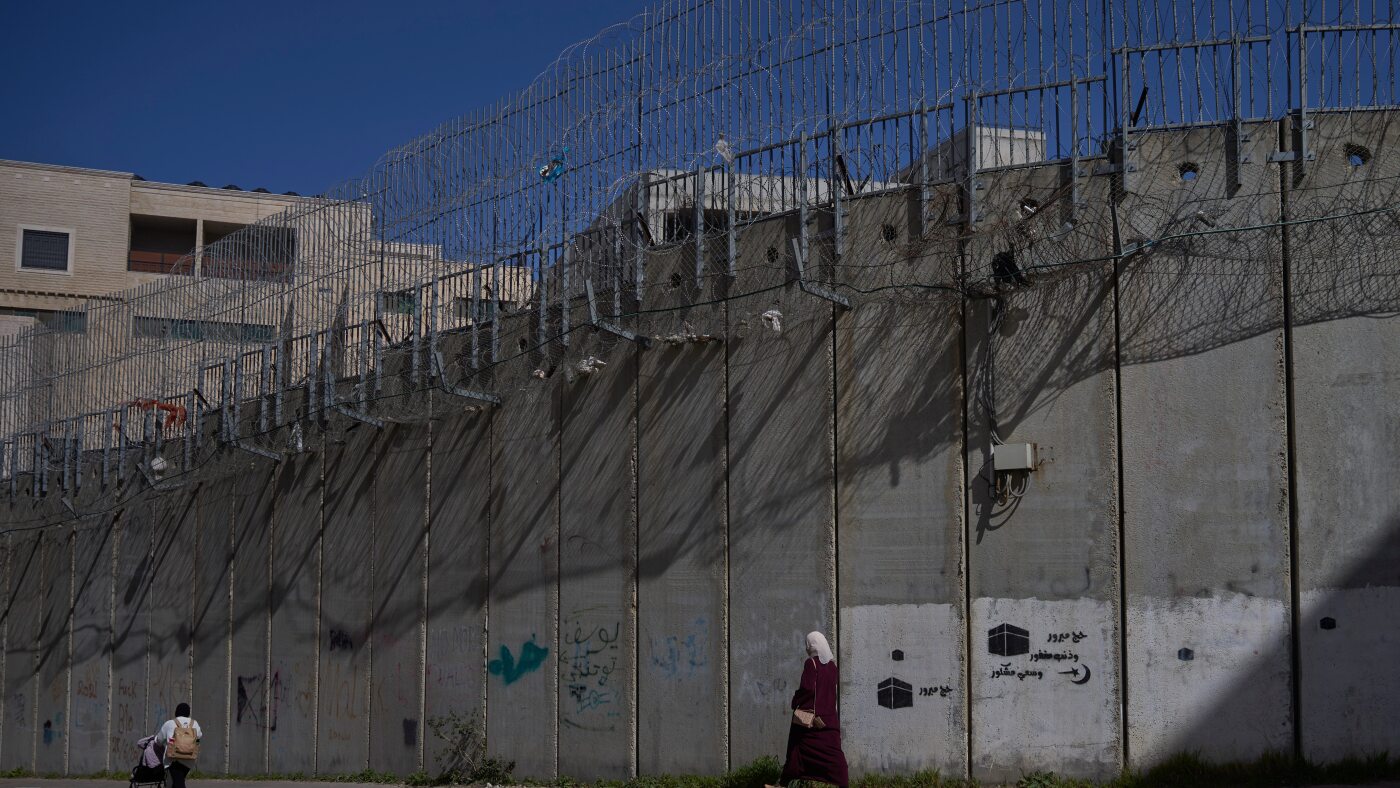
The Israeli anti-settlement organization, Peace Now, has condemned the plan, asserting it resembles a “mega land grab” from Palestinian territories. “This move is very dramatic and allows the state to gain control of almost all of Area C,” stated Hagit Ofran, director of Peace Now’s Settlement Watch program. Area C encompasses approximately 60% of the West Bank, which remains under full Israeli military control as per the agreements established in the 1990s with the Palestinians.
The Palestinian Authority’s President Mahmoud Abbas responded sharply, labeling the decision “a grave escalation and a flagrant violation of international law,” equating it to “de facto annexation.” Abbas urged the international community, particularly the U.N. Security Council and the United States, to intervene immediately.
Recent Israeli actions have amplified concerns regarding its increasing control over the West Bank. Over the past months, Israel has expanded construction in Jewish settlements, legalized outposts, and altered bureaucratic policies to fortify its presence while undermining the Palestinian Authority. The Israeli Foreign Ministry contended that the Palestinian Authority has been advancing land registration procedures in Area C for years, contravening agreements that afford Israel civil and military governance in the territory. They characterized the updated decision as a move toward greater transparency.
The Cabinet approved this decision after initial announcements in May, paving the way for the identification of specific areas slated for registration. This action requires individuals claiming land to substantiate their ownership, a process Ofran described as potentially “draconian” and lacking transparency. She warned that land currently held by Palestinians could easily transition to Israeli control through this system. “Palestinians will be sent to prove ownership in a way that they will never be able to do,” Ofran told The Associated Press. She emphasized that this could allow Israel to claim up to 83% of Area C, which constitutes nearly half of the West Bank.
The proposal primarily stemmed from members of Israel’s far-right coalition government, including Minister of Justice Yariv Levin, who affirmed, “The government of Israel is committed to strengthening its grip on all its parts, and this decision is an expression of that commitment.”
In response, Jordan’s Foreign Ministry urged the international community to fulfill its legal and moral responsibilities, calling for an end to Israel’s “dangerous escalation.” Similarly, Qatar’s foreign ministry described Israel’s actions as an extension of its illegal plans to deny Palestinian rights.
Historically, U.S. administrations have condemned the expansion of Israeli activities in the West Bank. Yet, current Prime Minister Benjamin Netanyahu maintains a close relationship with President Donald Trump, having met recently in Washington. Notably, Trump has opposed outright annexation, raising questions about the implications of this new policy.
Currently, Palestinians are prohibited from privately selling land to Israelis, although recent measures aim to change this restriction. As it stands, settlers can purchase homes on land controlled by the Israeli government. The recent decision also seeks to reinforce Israeli governance over various aspects of life in the West Bank, including environmental and archaeological regulations in Palestinian-administered areas.
Approximately 700,000 Israelis reside in the occupied West Bank and East Jerusalem, territories captured by Israel in 1967 from Jordan. The international community largely views Israeli settlement construction in these areas as illegal and a significant barrier to peace. An estimated 300,000 Palestinians inhabit Area C, with many depending on its agricultural and grazing lands, where some families hold land deeds or tax records dating back decades.