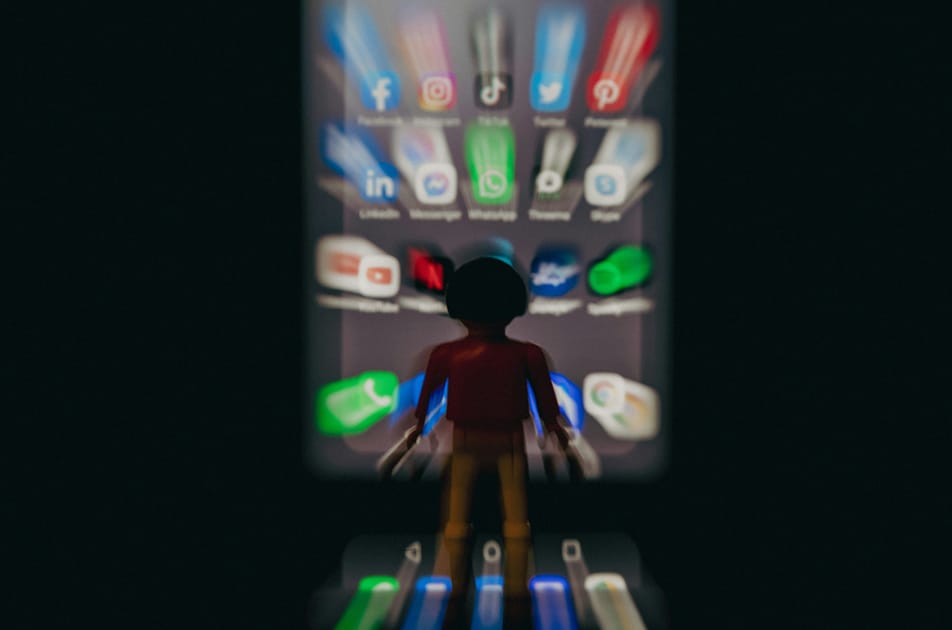
In the ever-evolving landscape of music streaming, artists are navigating a complex web of engagement metrics that can significantly impact their careers. With the rise of fan burner accounts and click farms, understanding the distinction between these two phenomena has become crucial. In 2025, Apple reported disabling approximately 2 billion fraudulent streams linked to fake accounts, highlighting the ongoing battle against inflated numbers that distort the perception of an artist’s popularity.
Understanding Fan Burner Accounts
Fan burner accounts are secondary social media profiles managed by real individuals. These accounts serve various purposes, allowing fans to engage more deeply with the artist’s community while maintaining a level of anonymity. This can be particularly appealing for listeners who wish to express their opinions without affecting their personal networks or fearing backlash for their views.
In many cases, fan burners act as digital street teams, promoting emerging artists by creating organic trends and enhancing the visibility of new releases. This grassroots support can be invaluable, especially for independent artists lacking substantial marketing budgets. However, fan burner activity does not always guarantee real-world support, which poses risks for artists who may rely heavily on this form of engagement.
The Mechanics of Click Farms
Click farms, in contrast, represent a more systematic approach to manipulating engagement metrics. These operations—often automated or run by large teams—aim to artificially inflate streams, views, or follower counts. Unlike fan burner accounts, which are driven by genuine passion, click farms prioritize numbers over community, making their activities susceptible to penalties from streaming platforms.
Platforms often classify click farm activities as fraudulent manipulation, leading to potential consequences such as content suppression or chart disqualifications. For artists, involvement in click-farm tactics can severely damage their credibility and hinder long-term growth, despite any initial allure of increased numbers. The distinction between genuine fan engagement and artificially generated metrics is vital in an industry where authenticity is increasingly valued.
The dynamics surrounding both fan burner accounts and click farms illustrate a broader tension within the music industry. As algorithms reward high engagement volumes, the pressure on artists to boost their visibility can lead to temptations to resort to artificial means. Yet, coordinated fan activities—such as streaming parties and hashtag campaigns—can often be misinterpreted as suspicious, blurring the lines between legitimate support and paid manipulation.
Ultimately, understanding the implications of fan burner accounts versus click farms is essential for artists striving to maintain their integrity in a metrics-driven ecosystem. While fan burner culture fosters active participation and conversation, click farms pose significant risks that can undermine an artist’s reputation and future success. As the music industry continues to evolve, artists must navigate these challenges carefully to ensure their engagement strategies align with their long-term goals.