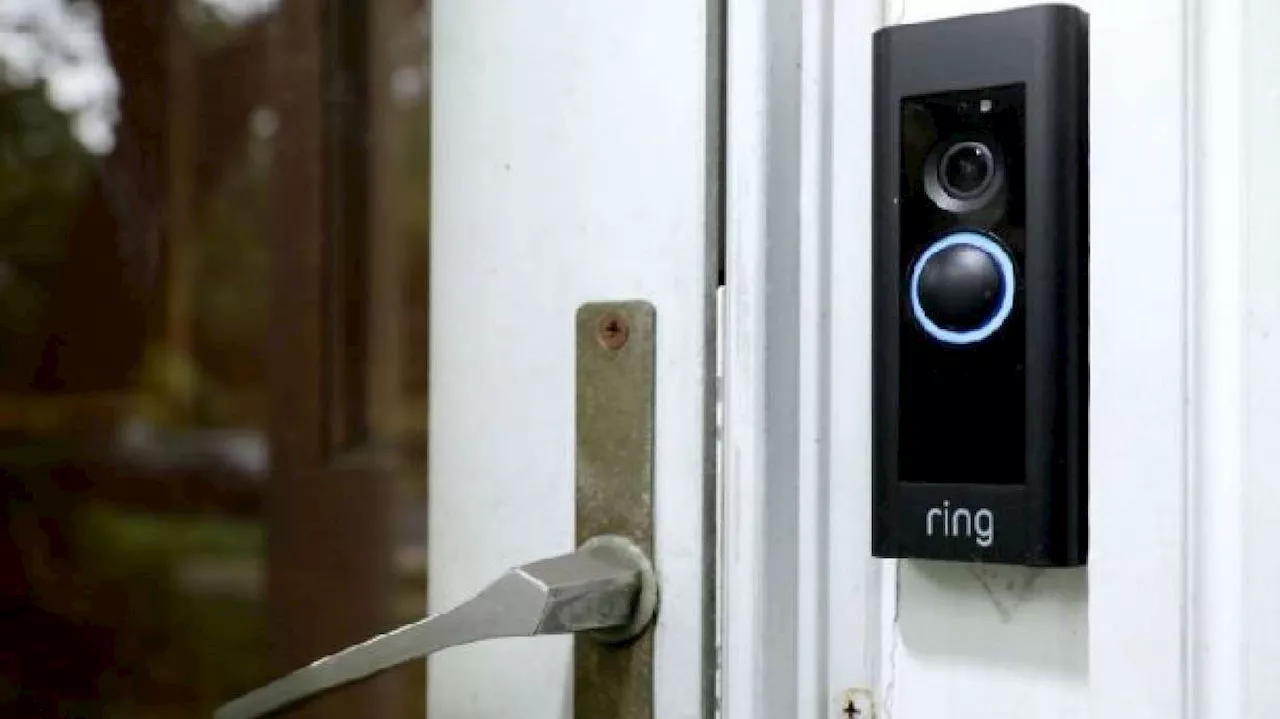
Home surveillance technology, particularly doorbell cameras, is under scrutiny following recent developments involving law enforcement use and privacy concerns. Clayton Simms, a local criminal defense attorney and legal analyst, addressed these issues during an interview with KSL, emphasizing the dual nature of these technologies—convenience and potential invasions of privacy.
In a notable case, the FBI utilized “back-end systems” to access video and images related to the disappearance of Nancy Guthrie. This incident highlights how surveillance technologies may be employed for investigative purposes, but also raises significant questions about privacy. Simms stated, “We are participating in our own surveillance, through convenience, through security,” underscoring that while home surveillance can enhance safety, it can simultaneously erode personal privacy.
Doorbell cameras, such as those produced by Ring, have gained popularity for various reasons, including deterring theft and providing real-time notifications for package deliveries. However, a recent advertisement during the Super Bowl showcased a new feature that uses artificial intelligence to help locate lost pets. This “search party” function prompted concerns among privacy advocates regarding how the same technology could potentially be utilized to identify and track individuals.
Simms remarked, “You would think that’s the next step… A suspect in a kidnapping, or a Silver Alert where somebody wandered off from a nursing home.” He noted that the interconnected nature of these cameras could lead to the establishment of a comprehensive surveillance network, capable of identifying individuals based on specific descriptions.
The discussion around privacy intensified when it was revealed that the FBI accessed images of a suspect in the Guthrie case through Nest cameras. Simms pointed out that this scenario raises important questions about the types of data collected by home surveillance systems and the entities that can access such information. “All of that is information that a company, a big entity would have about you,” he said, emphasizing the need for public awareness regarding data security.
While some privacy advocates recommend opting for cameras that only store footage locally to mitigate potential data-sharing issues, Simms argues that users must weigh the benefits and drawbacks of centralized data storage. He also highlighted the potential for surveillance footage to provide crucial evidence that could exonerate individuals wrongly accused of crimes.
As the debate around surveillance technology continues, it is clear that the balance between security and privacy is a complex and evolving issue. Individuals are encouraged to remain informed and consider the implications of their choices regarding home surveillance systems.