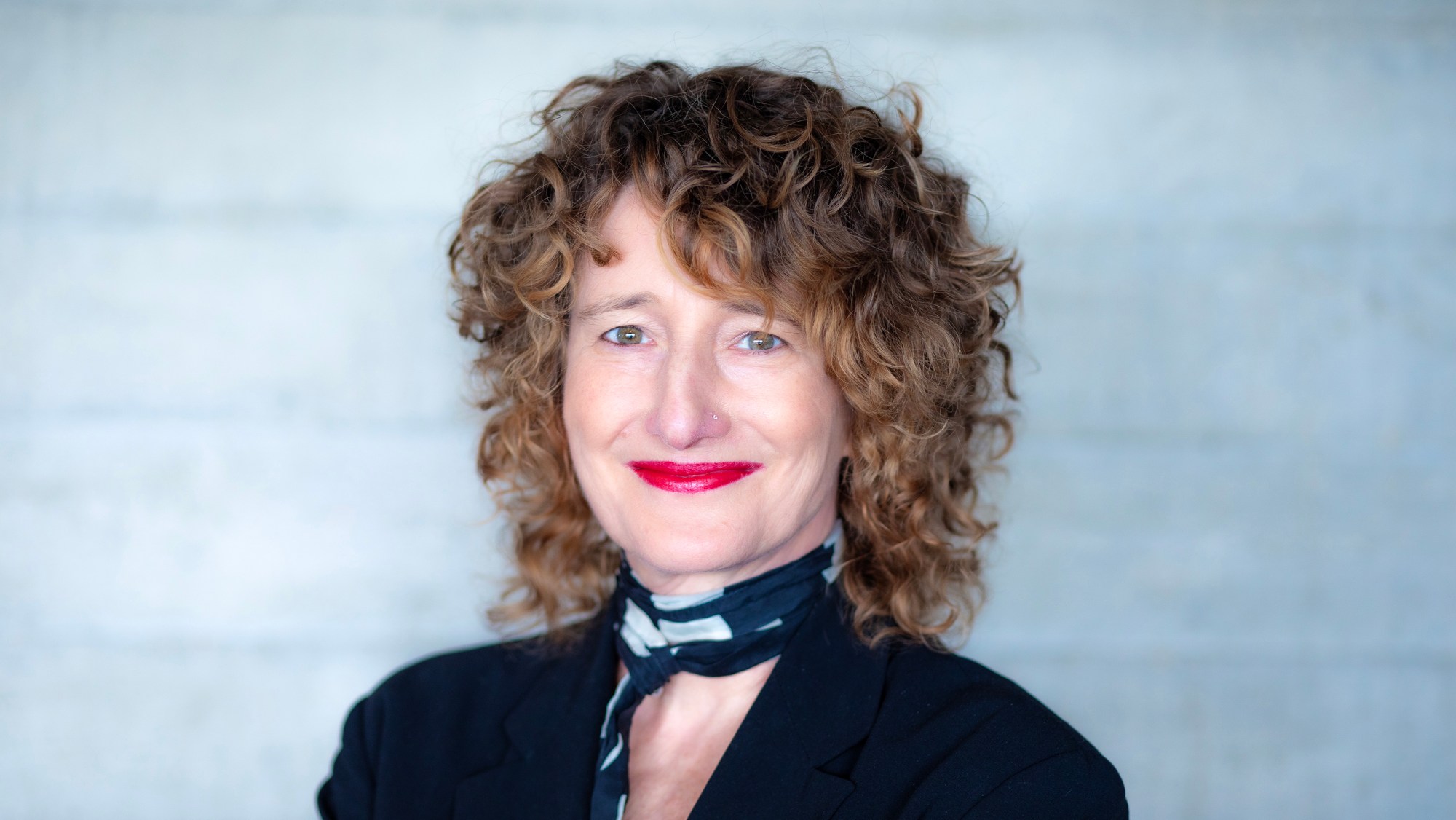
The 76th Berlin International Film Festival, which commenced on February 12, 2024, has seen its director, Tricia Tuttle, navigating a series of controversies that overshadow the films presented. Tuttle has faced significant criticism following remarks made by jury president Wim Wenders, who suggested that filmmakers should avoid involvement in politics. This statement ignited a backlash on social media, prompting a cycle of political inquiries directed at filmmakers during press conferences.
The situation escalated when 81 former Berlinale alumni, including prominent figures such as Tilda Swinton, Javier Bardem, Tatiana Maslany, and Adam McKay, signed an open letter accusing the festival of censoring artists who oppose Israel’s actions in Gaza. They criticized the festival’s perceived silence regarding the ongoing conflict, echoing similar accusations that had arisen during previous festivals.
Despite a generally positive reception for this year’s films, including notable competition titles like *A Prayer for the Dying* and *Queen at Sea*, discussions have been dominated by political tensions rather than cinematic achievements. In a recent interview, Tuttle expressed her frustration over the festival’s focus shifting from the films to the controversies surrounding them.
Addressing Censorship Claims and Free Speech
In her conversation with journalists, Tuttle responded to the allegations of censorship, asserting that the claims are unfounded. She emphasized the festival’s commitment to free speech and the importance of providing a platform for diverse voices, stating, “I really thought we affirmed our position that we want to create a platform at the Berlinale for free speech.”
Tuttle acknowledged the complexities surrounding the political discourse at the festival. She noted that while there is a strong urgency for discussions about the situation in Gaza, the festival may not be the ideal venue for such polarized debates. The director remarked, “It’s very difficult to have that conversation at a film festival,” highlighting the challenges of addressing complex political issues without alienating certain audiences.
She expressed concern that the ongoing campaign against the Berlinale has been fueled by misinformation, stating, “We’ve seen that before at the festival.” Tuttle emphasized the importance of dialogue and understanding, wishing that those who signed the open letter would approach the festival organizers before making accusations.
Potential Consequences for the Film Industry
Tuttle warned that the current atmosphere could have damaging implications not only for the Berlinale but also for the broader film industry. She noted that if filmmakers feel pressured to respond to political inquiries, it could lead studios to restrict press access to talent, ultimately impacting the promotion of films. “It’s existential for the festival,” she stated, adding that the focus on controversy rather than cinema could hinder the visibility of independent films.
Critics have pointed out that while the Berlinale has taken political stances in the past—such as opposing the Russian invasion of Ukraine and supporting Iranian protests—the current situation in Gaza has prompted a different response. Tuttle explained that the festival aims to amplify the voices of the 287 filmmakers participating, allowing them to express their perspectives through their films rather than through the festival’s official stance.
As the festival continues, Tuttle hopes to shift conversations back towards the films and their artistic merits. She remains optimistic that audiences and distributors will recognize the quality of the works presented, stating, “It takes a long time to see how the market is going to respond to these films.”
The ongoing situation at the Berlinale underscores not only the challenges facing film festivals in navigating political discourse but also the importance of maintaining a space for artistic expression amidst external pressures.