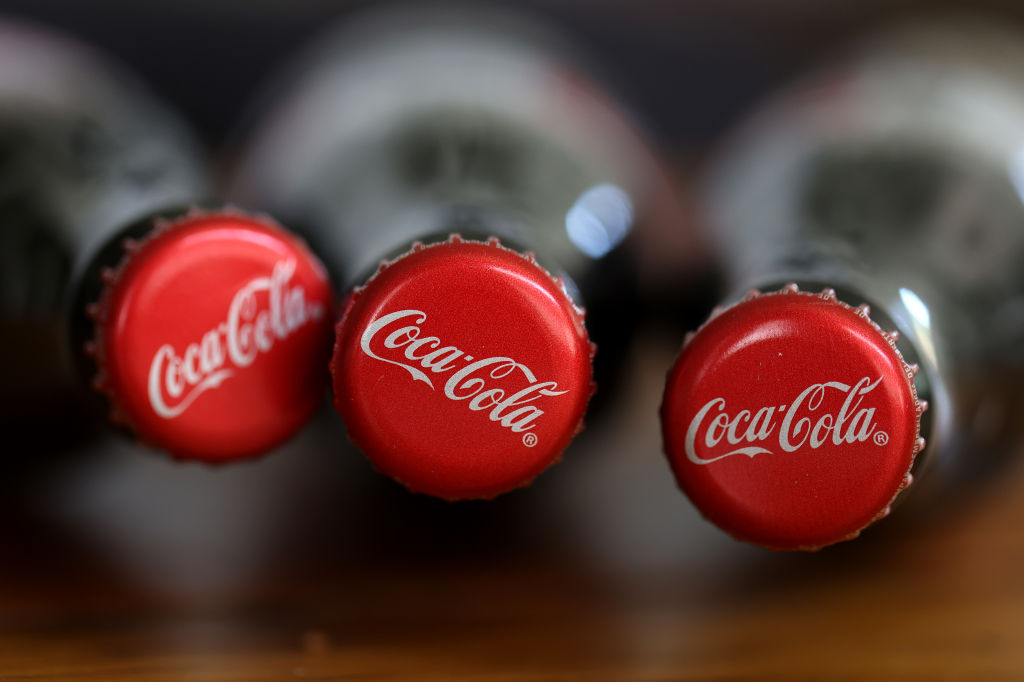
The U.S. Equal Employment Opportunity Commission (EEOC) has initiated a lawsuit against Coca-Cola Beverages Northeast, alleging that the company violated federal law by hosting a female-only employee event. This lawsuit, filed on Tuesday, marks a significant challenge to workplace diversity initiatives during the Trump administration.
In September 2024, Coca-Cola Beverages Northeast organized a two-day networking event at a casino in Connecticut, designed exclusively for approximately 250 female employees. The event included team-building exercises, social receptions, recreational activities, and presentations from top executives. The EEOC states that male employees were explicitly prohibited from attending the event, which has raised legal concerns regarding workplace discrimination.
According to the EEOC, the company also allowed female employees to participate in the event without requiring them to use paid time off for their regular work duties and covered their hotel expenses. Catherine Eschbach, acting general counsel for the EEOC, emphasized the agency’s commitment to ensuring equal access for all employees, stating, “The EEOC remains committed to ensuring that all employees – men and women alike – enjoy equal access to all aspects of their employment.”
Coca-Cola Beverages Northeast, a subsidiary of Japan’s Kirin Holdings, has yet to issue a public response to the lawsuit. Notably, the Coca-Cola Company itself is not named as a defendant in this case, which is currently being heard in federal court in New Hampshire.
This legal action could serve as a pivotal moment in the ongoing debate over workplace diversity, equity, and inclusion (DEI) programs. Critics of DEI initiatives, including officials from the Trump administration, have argued that such programs may lead to reverse discrimination. The EEOC’s lawsuit represents the first instance of a legal challenge against a diversity-focused program, potentially setting a precedent for similar cases in the future.
The EEOC has previously scrutinized other organizations, including Nike and Northwestern Mutual Insurance, for alleged discrimination against white employees and has sought information about DEI programs from various major law firms. The current lawsuit against Coca-Cola Beverages Northeast raises critical questions about the legality of events that may intentionally exclude certain groups, such as men.
As the case unfolds, experts suggest it could have broader implications for how companies structure events that target specific demographics. The EEOC’s stance indicates a commitment to uphold federal laws designed to protect all employees from discrimination, regardless of gender. The outcome of this lawsuit may shape the future of workplace diversity programming across various sectors.