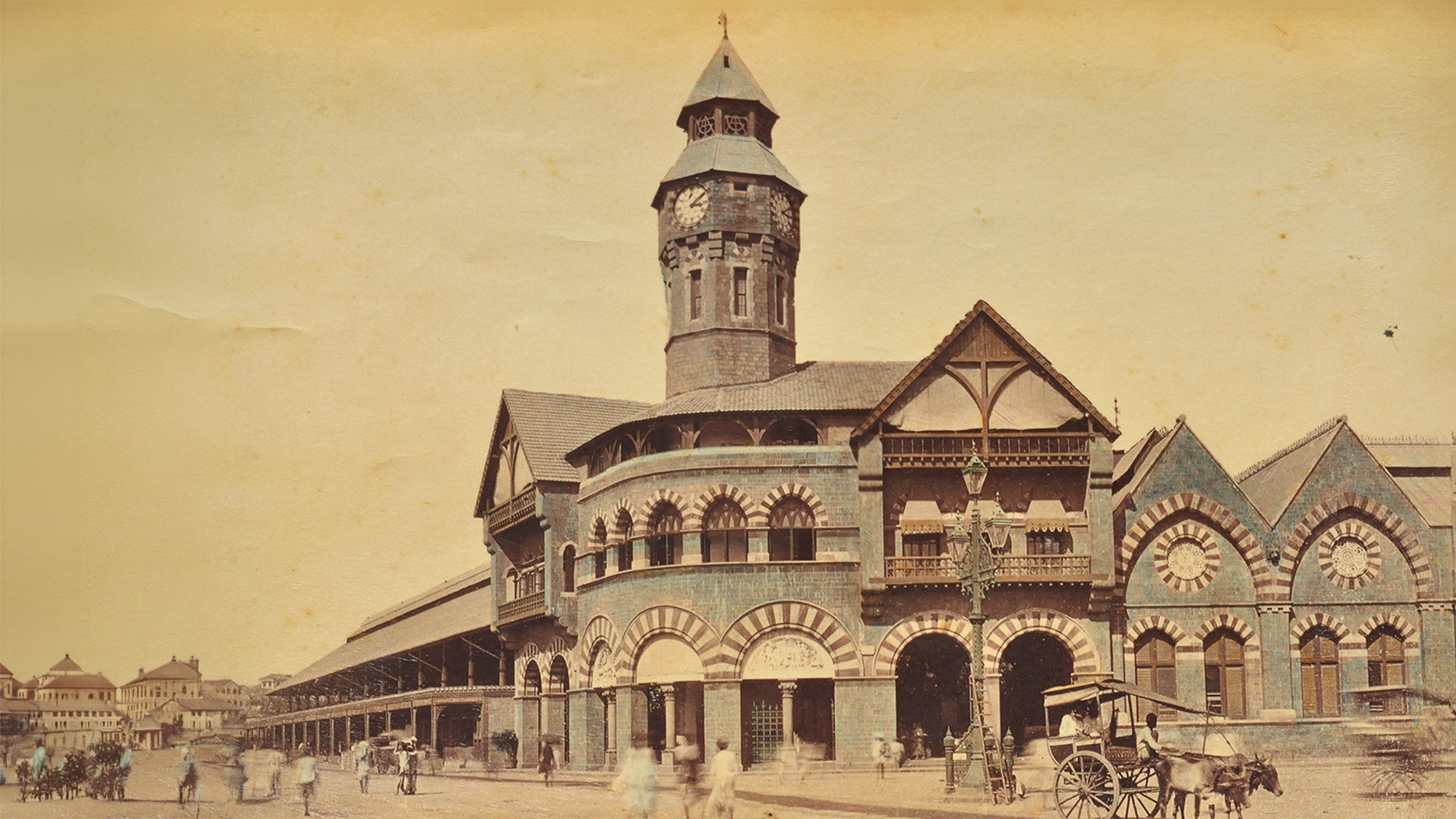
On a violent evening in March 1898, residents of Mumbai ignited a protest against colonial oppression by targeting a public clock tower at Crawford Market. Frustrated by the British government’s push for standardized time, citizens fired upon the clock, viewing it as a symbol of control imposed by their rulers. This incident highlights the complex and often contentious history of timekeeping, particularly the role of mechanical clocks in shaping societal structures and human behavior.
From Ancient Timekeeping to Mechanical Clocks
Mechanical clocks emerged in the 13th century in northern Italy, evolving from earlier timekeeping methods such as sundials and hourglasses. These devices had roots in ancient Babylon and Egypt, where water clocks were used, and European monks relied on candles to measure prayer times. The invention of the verge escapement, a weight-driven mechanism, laid the foundation for the clocks that would later dominate urban landscapes.
The oldest functioning astronomical clock, installed in Prague’s Old Town Hall in 1410, exemplifies the technological advancements of the time. According to historian of technology David Rooney, the tick of a clock is produced by the escapement mechanism, which regulates the release of energy from the weight that powers it. This principle remains fundamental in modern mechanical clocks, where batteries have replaced gravity.
The Transformation of Society Through Standardized Time
Initially, mechanical clocks were designed to synchronize with bell towers, which rang to signal various daily activities such as waking, eating, and working. With their introduction, cities across Europe began to adopt public clocks, transforming daily life. By 1450, 20 percent of urban centers with populations over 5,000 had at least one public clock, a number that rose significantly over the following decades.
The proliferation of clocks led to a new perception of time. Before mechanical clocks, people measured time based on natural events, such as the changing seasons. The introduction of standardized time instilled a sense of urgency and discipline among workers, as businesses began paying by the hour, leading to the concept of “time is money.” This shift created a culture of time thrift, where unproductive time was viewed as wasted.
As the industrial revolution progressed, the clock became a tool of control. In his analysis, Karl Marx highlighted the oppressive use of timekeeping in the textile industry, where managers manipulated time to extract maximum labor from workers. The introduction of Standard Time in the 1800s further solidified the clock’s role as an instrument of authority.
In Mumbai, the protest against the clock at Crawford Market was not an isolated incident. Following the establishment of Standard Time, a significant strike occurred in 1905 when a major textile mill changed its clocks, exacerbating tensions between workers and management. This resistance echoed a global sentiment against centralized authority, with movements like the suffragettes targeting timekeeping institutions as symbols of oppression.
A Legacy of Resistance
The legacy of resistance against timekeeping continues today. Recent movements, such as the Great Resignation, quiet quitting, and the push for a four-day workweek, reflect a growing discontent with the demands of clock time. As societies grapple with the implications of time as a commodity, the historical context of clocks as tools of control serves as a reminder of the ongoing struggle for autonomy.
The history of clocks is more than a tale of technological advancement; it encapsulates the tensions between authority and individual agency. As modern society navigates the complexities of time management, the stories of those who challenged the clock remain relevant, reminding us that time, while structured, is ultimately a human construct.