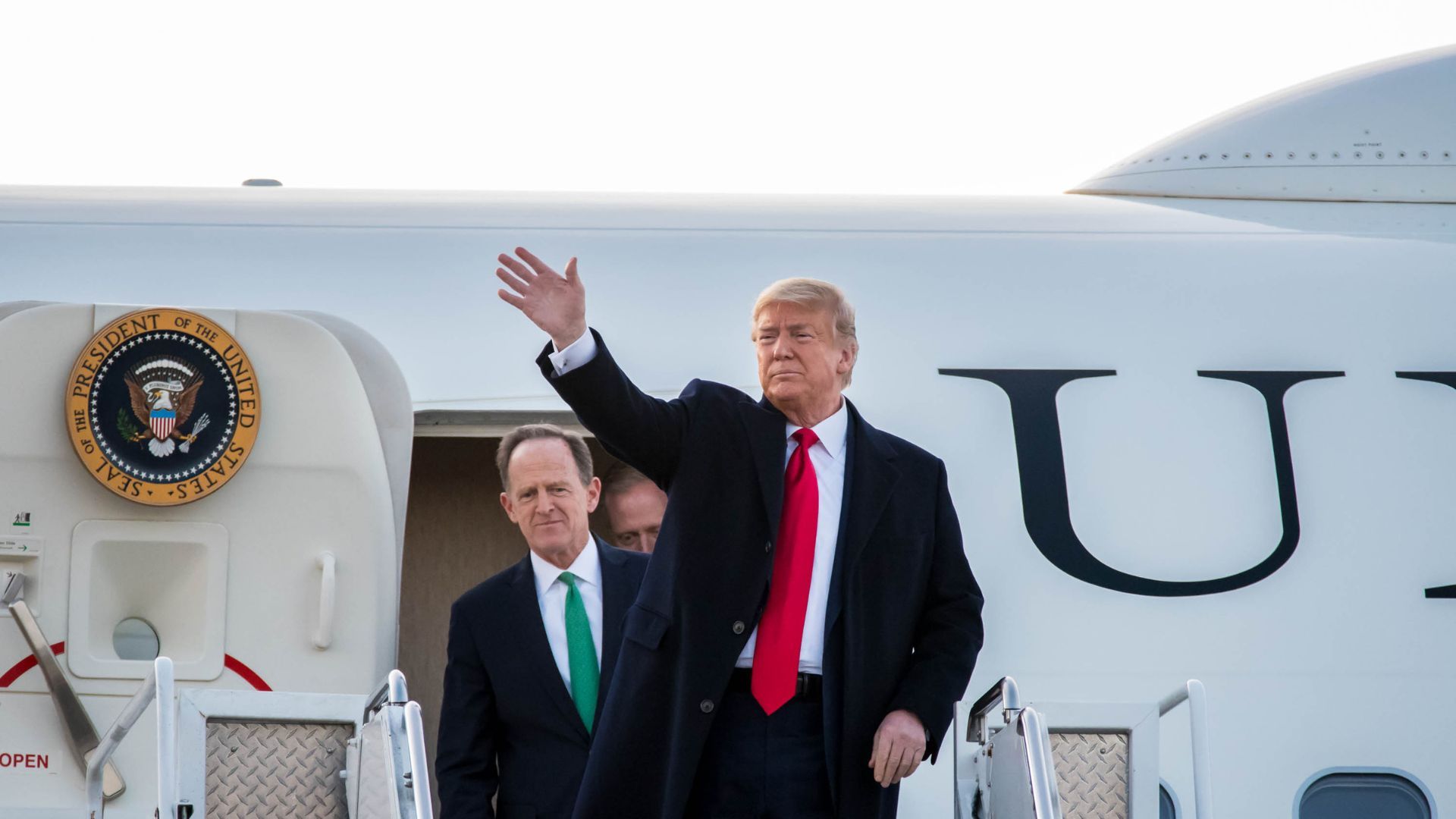
In a significant move, Florida lawmakers have approved legislation to rename Palm Beach International Airport to “President Donald J. Trump International Airport.” The decision is now in the hands of Governor Ron DeSantis, marking a politically charged moment in the United States. Proponents of the renaming argue that it reflects Trump’s strong ties to South Florida, while opponents view it as a misuse of public resources.
The implications of this name change extend far beyond its political context. If enacted, it would centralize the power to name large commercial airports at the state level, removing that authority from local governments. Supporters assert that the renaming is a fitting recognition of Trump’s status as the first president from Florida and his history of hosting global leaders at his Mar-a-Lago estate, which is located near the airport. Critics maintain that airports should remain neutral civic assets, and renaming one after a sitting president crosses a significant line.
Financial Considerations and Public Funding
The proposed renaming is expected to lead to a costly rebranding effort. Preliminary budget estimates indicate that the state could spend up to $5.5 million on new signage, digital updates, and branding changes. While the final costs are still under negotiation, Democrats have expressed concerns about using public funds to elevate a divisive political figure. Lori Berman, the Senate Democratic Leader, claimed, “This bill exists for one reason: to satisfy one large ego. And satisfying that ego isn’t free.”
In contrast, Republican lawmakers defend the expense as a long-term investment in recognition and tourism. They argue that the potential benefits of increased visibility and visitor interest in the area will offset the initial costs.
Trademark Filings and Legal Implications
Adding another layer of complexity, the Trump family’s trademark entity, DTTM Operations LLC, has filed applications to trademark several variations of the airport’s proposed new name, including “DJT” and “Donald J. Trump International Airport.” These filings are significant as they suggest a private company could exert control over commercial uses of a publicly owned airport’s identity.
Even if the Trump family decides to waive licensing fees for the airport authority, trademark law does not automatically extend that waiver to other businesses. This means that airlines selling airport-branded merchandise, concessionaires producing souvenirs, or other entities operating at the airport may need to seek legal clearance to associate their products with the newly named airport. For smaller businesses, this added legal complexity could discourage them from pursuing airport-branded marketing altogether.
The Federal Aviation Administration (FAA) does not have jurisdiction over trademark disputes, which would be settled in civil court. This situation leaves aviation stakeholders to navigate both operational requirements and intellectual property law.
The ramifications of this name change could potentially influence airports and other publicly owned facilities across the United States. Historically, courts have shown skepticism towards trademarks that seek to monopolize geographic names, especially when those names serve as generic identifiers. However, trademarks associated with specific commercial goods or promotional uses have been known to withstand legal challenges.
If these trademark filings are upheld, they might encourage similar actions regarding other public facilities, from airports to seaports. Governments could feel compelled to trademark names defensively, fundamentally altering how infrastructure identities are managed.
As the situation stands, the final name of the airport hinges on approval from the FAA and the resolution of any rights agreements related to Trump’s name. Regardless of the outcome, this episode underscores the growing tension between public ownership and private brand control, suggesting that the future of infrastructure branding could be more commercially driven than ever before.