Iran launched a series of missile attacks targeting Israel and Gulf Arab states on March 15, 2024, following the killing of Supreme Leader Ayatollah Ali Khamenei in a joint airstrike by the United States and Israel. The strike, which took place during a military operation planned for months, has raised significant concerns about escalating tensions in the region. U.S. President Donald Trump responded with stern warnings against further Iranian aggression, emphasizing the potential for severe repercussions.
Immediate Aftermath of Khamenei’s Death
The Iranian government confirmed Khamenei’s death, describing it as a “great crime” that would not go unpunished. In a televised address, Iranian parliamentary speaker Mohammad Bagher Qalibaf stated, “You have crossed our red line and must pay the price,” promising intense retaliatory actions. The airstrike not only removed a pivotal figure in Iran’s leadership but also left questions about the future governance structure of the Islamic Republic, given the absence of a clear successor.
In a social media post, Trump referred to Khamenei as “one of the most evil people in History,” suggesting that his death could provide an opportunity for the Iranian people to reclaim their country. Following the initial missile strikes, Iran’s Revolutionary Guard announced that they would launch their most intense offensive operation to date, targeting both Israeli and U.S. military bases throughout the region.
Regional Impact and Casualties
Iran’s missile and drone attacks resulted in multiple casualties. Reports indicate that a woman in the Tel Aviv area died from injuries sustained during the strikes, and debris from intercepted missiles caused fires in the United Arab Emirates, killing one person. Airports across the Middle East experienced disruptions, and air defense systems were activated in cities like Dubai.
U.S. Central Command reported no American casualties, citing minimal damage to military bases despite “hundreds of Iranian missile and drone attacks.” Meanwhile, Israel claimed responsibility for the death of several high-ranking Iranian officials during the operation, including the commander of the Revolutionary Guard Corps.
The attacks have broader implications for global markets and security, particularly concerning the Strait of Hormuz, a vital shipping route through which one-third of the world’s oil exports pass. Any disruption in this area could have severe consequences for global energy prices and supply.
As tensions continue to escalate, the region braces for further retaliatory actions from both sides. The U.S. has increased its military presence in the area, positioning warships and aircraft, while Iran has vowed to defend itself against perceived threats.
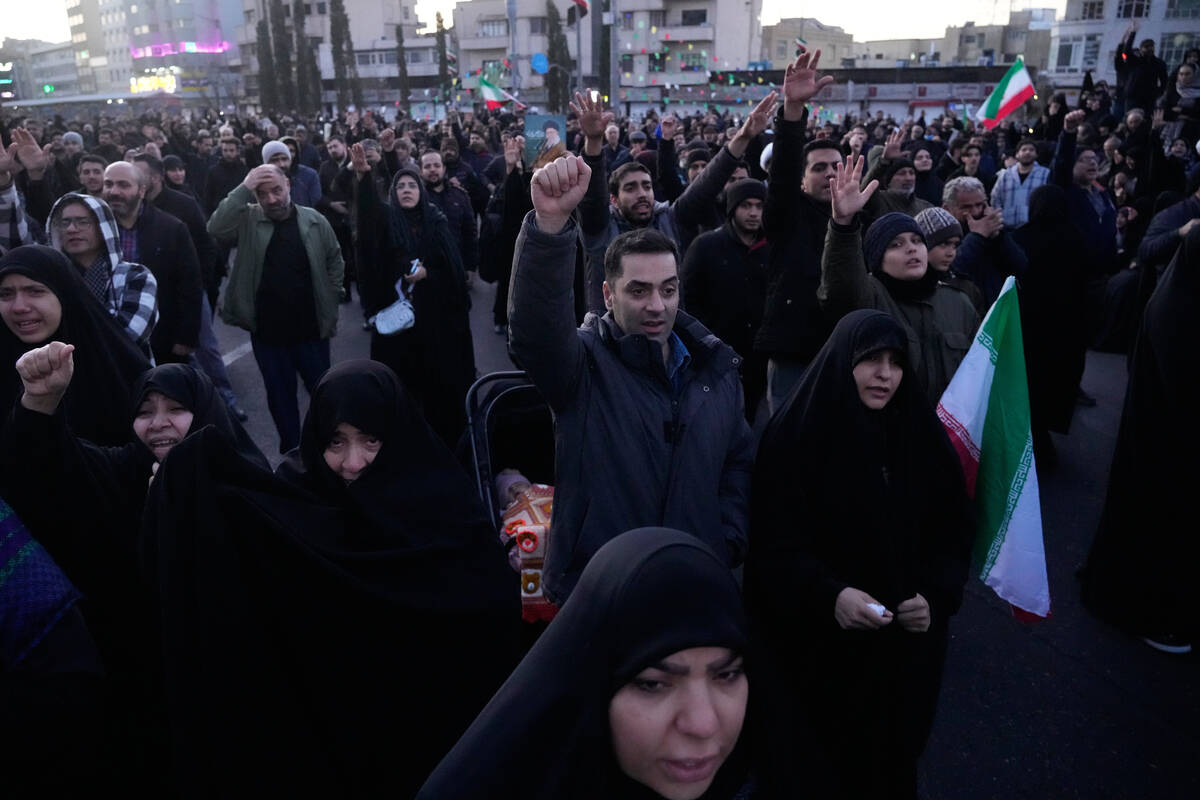
In the wake of Khamenei’s death, Iran’s government declared a 40-day period of mourning, with a nationwide holiday established to honor the late leader. Witnesses in Tehran reported mixed reactions, with some celebrating the news while mourners raised black flags over significant religious sites.
The long-term ramifications of Khamenei’s assassination and Iran’s immediate response will likely shape the geopolitical landscape of the Middle East for years to come, as both nations navigate this volatile chapter in their ongoing rivalry.