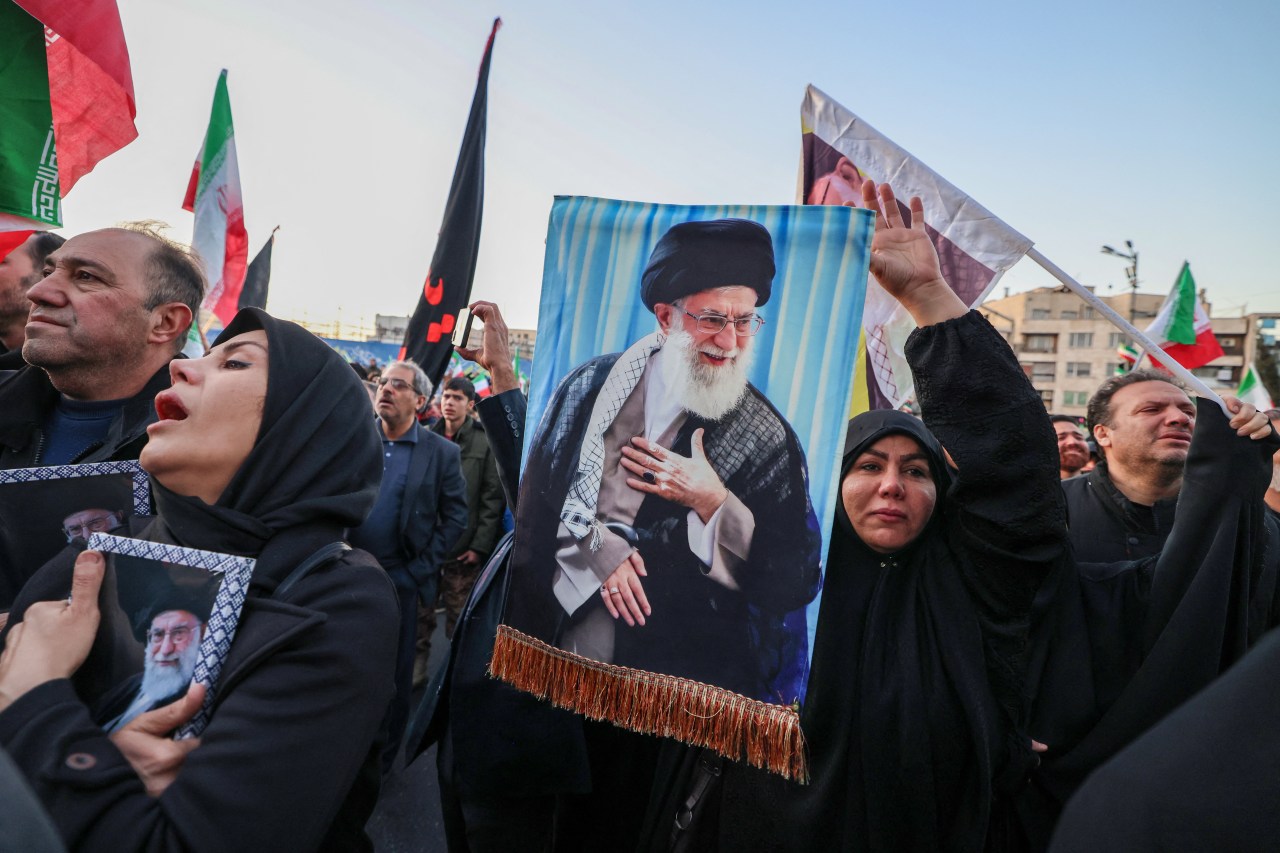
The death of Ayatollah Ali Khamenei, the Supreme Leader of Iran, on September 23, 2023, has left the nation at a critical crossroads. Khamenei, who led the Islamic Republic for nearly four decades, played a pivotal role in shaping Iran’s political landscape. His passing raises significant questions about the future governance of the country and its ability to navigate ongoing internal and external challenges.
Khamenei’s leadership was marked by a firm grip on power, which included significant influence over the military and judiciary. Following his death, the Islamic Republic of Iran now faces a power vacuum, with no clear successor in sight. This uncertainty has heightened tensions within the country and among its various factions, including the military and political elite.
Power Struggles and Internal Divisions
In the wake of Khamenei’s death, factions within the ruling establishment are vying for influence. The Revolutionary Guard Corps, a powerful military entity, is likely to assert its role in shaping Iran’s future leadership. The absence of a strong successor could lead to a fragmented political landscape, as different groups may attempt to fill the void left by Khamenei.
The situation has sparked concern among ordinary Iranians, who have experienced years of political repression and economic hardship. As the nation grapples with these internal power struggles, the potential for civil unrest increases. Many citizens are wary of how the transition will affect their daily lives and individual freedoms.
International Ramifications
Iran’s geopolitical standing is also in question following Khamenei’s passing. The nation has long been a focal point in regional tensions, particularly with the United States and its allies. Analysts suggest that the uncertainty surrounding Iran’s leadership could impact ongoing negotiations regarding its nuclear program and relations with neighboring countries.
International observers are closely monitoring how the power transition unfolds. The potential for a more hawkish or reform-oriented leadership could significantly alter Iran’s foreign policy. The implications of this transition extend beyond Iran’s borders, affecting the stability of the entire Middle East.
The death of Khamenei marks a significant chapter in Iran’s history. As the country navigates this uncertain future, the eyes of the world remain fixed on Tehran, awaiting the emergence of a new leader who will shape the course of the Islamic Republic.