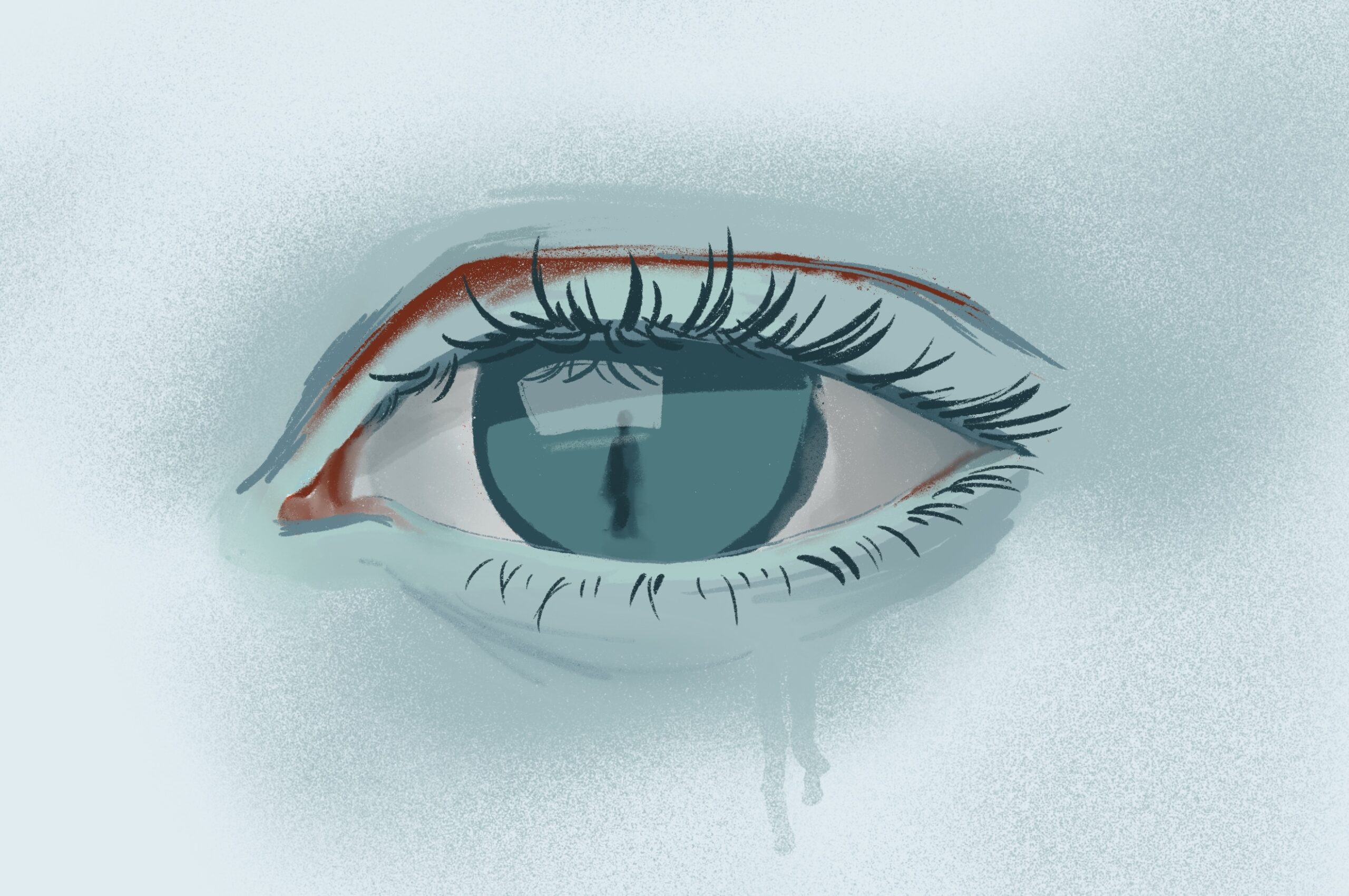
The portrayal of gender stereotypes in popular fantasy literature comes under scrutiny in a recent article titled “What is There Not to Love” by Ashley Diaz, a student at Stanford University. The piece critically examines the character of Juliette Ferrars in Tahereh Mafi’s dystopian series, Shatter Me, which has garnered attention since its release over 15 years ago. Diaz highlights the ongoing debate regarding Juliette’s character development from a “scared girl” to a “badass leader,” as noted in reviews from both 2011 and 2024.
Set in a world dominated by a totalitarian regime known as the Reestablishment, the series presents a society stripped of freedom, reminiscent of the Capitol in Suzanne Collins’ The Hunger Games. The Reestablishment claims to be remedying societal issues, yet it uses fear to justify its oppressive control. Central to the narrative is the concept of “plagues,” which differ from traditional definitions; instead, they refer to individuals possessing extraordinary abilities, labeled as “Unnaturals.” This framing positions these characters as threats to societal order, provoking widespread fear and ignorance among the populace.
Juliette Ferrars, a 17-year-old with the lethal ability to kill with a touch, becomes emblematic of the overarching themes of isolation and helplessness. Diaz notes that Juliette is confined to an asylum, which serves as a physical manifestation of her societal rejection. The narrative follows her journey of self-discovery and acceptance of her powers. Mafi’s use of strikethroughs effectively captures Juliette’s internal struggle, illustrating a young woman who grapples with her identity in a world that has marginalized her. As Diaz points out, Mafi writes, “My parents emptied their pockets of me and left me to evaporate on a concrete slab,” a poignant reflection on Juliette’s emotional turmoil.
At Stanford, where students are encouraged to express themselves and assert their presence, Diaz finds Juliette’s silence particularly troubling. The character’s reluctance to speak out underscores the societal pressures to conform and retreat into the background. Diaz argues that Mafi’s portrayal perpetuates the notion of women as disempowered and dependent on others, which runs counter to the progress that many women are striving for in various fields, including STEM and the humanities.
The narrative further complicates Juliette’s character by introducing Adam, another inmate who becomes her ally. Initially, Juliette fears Adam, believing her touch could harm him. However, once she learns that he is immune, she begins to rely on him for guidance. Diaz highlights a critical moment where Juliette is portrayed as naive in her trust of Adam, stating, “I glance at Adam. Adam, the boy who’s always defended me.” This trust, Diaz argues, reflects a damaging stereotype where women are depicted as needing male intervention to navigate challenges.
As the series progresses, the character of Warner, the antagonist, complicates Juliette’s journey even further. His manipulative nature raises questions about trust and autonomy, as he attempts to exploit Juliette’s powers for his own ends. Mafi’s narrative reveals the inherent danger in allowing others to make decisions on one’s behalf, a theme that resonates deeply with Diaz’s observations about gender roles.
In conclusion, “Shatter Me” serves as a complex commentary on gender stereotypes and the societal expectations that often bind women. As Diaz articulates, the series suggests that individuals may relinquish their autonomy in favor of relying on others, even when their intentions may not be in the best interest of those they aim to assist. This portrayal stands in stark contrast to the ideals of empowerment and independence that many advocate for today. Through her analysis, Diaz encourages readers to reflect critically on the narratives they consume and the implications these stories may hold for real-world perceptions of gender.