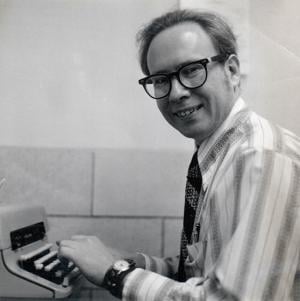
BREAKING: Robert “Bob” McColley, a cherished professor emeritus of history at the University of Illinois, has passed away peacefully at the age of 92. The news, confirmed by his family, comes just before the Christmas holiday, leaving a profound impact on the academic community and his loved ones.
Carolyn Burguera, McColley’s daughter, shared the overwhelming sentiment from friends and colleagues, saying, “It’s one of the first things people say about my dad when they found out he passed away, that he was such a kind person.” McColley was renowned not only for his significant scholarly contributions but also for his warmth and humor, traits that resonated deeply with those who knew him.
Born in Salina, Kansas, McColley’s academic journey began with a master’s degree from Harvard and a Ph.D. from Cal-Berkeley. He joined the University of Illinois in 1960, where he spent decades shaping young minds and influencing the field of history. His legacy includes leadership roles such as president of the Illinois State Historical Society and the Society for Historians of the Early American Republic.
Reflecting on McColley’s influence, former student Don Hickey, now a professor emeritus at Wayne State College, recalled, “He allowed me to learn for myself, only occasionally stepping in to offer a suggestion when needed.” His first book, “Slavery and Jeffersonian Virginia,” published in 1964, challenged prevailing views on slavery in Virginia and marked the beginning of a prolific career.
Throughout his life, McColley was known for his mentorship. Douglas Egerton, a history professor at LeMoyne College, noted, “He was just always really friendly to junior scholars… giving us all kinds of professional advice.” His encouragement inspired many to pursue their academic ambitions, fostering a welcoming atmosphere in the often-competitive field of history.
McColley’s family recalls his unique sense of humor, with daughter Teresa “Sid” McColley sharing cherished phrases like, “We’re off like a herd of steaming turtles,” and “Just throw a tomato. I’ll ketchup.” These lighthearted moments characterized a man who remained cheerful and silly until the end of his life, striving to make those around him laugh.
As the academic community mourns his loss, the call to honor McColley’s legacy resonates. Egerton urges, “When I go to conferences now, I try to think ‘be like Bob’… engage with younger scholars.” This message of kindness and mentorship embodies what McColley stood for—an enduring spirit that will inspire future generations.
The outpouring of love and respect for McColley highlights the deep connections he fostered throughout his life. As tributes continue to emerge, it is clear that his impact on students, colleagues, and the field of history will be felt for years to come.
For those who wish to remember him, McColley’s family encourages sharing stories and laughter, reflecting the joy he brought to so many lives.