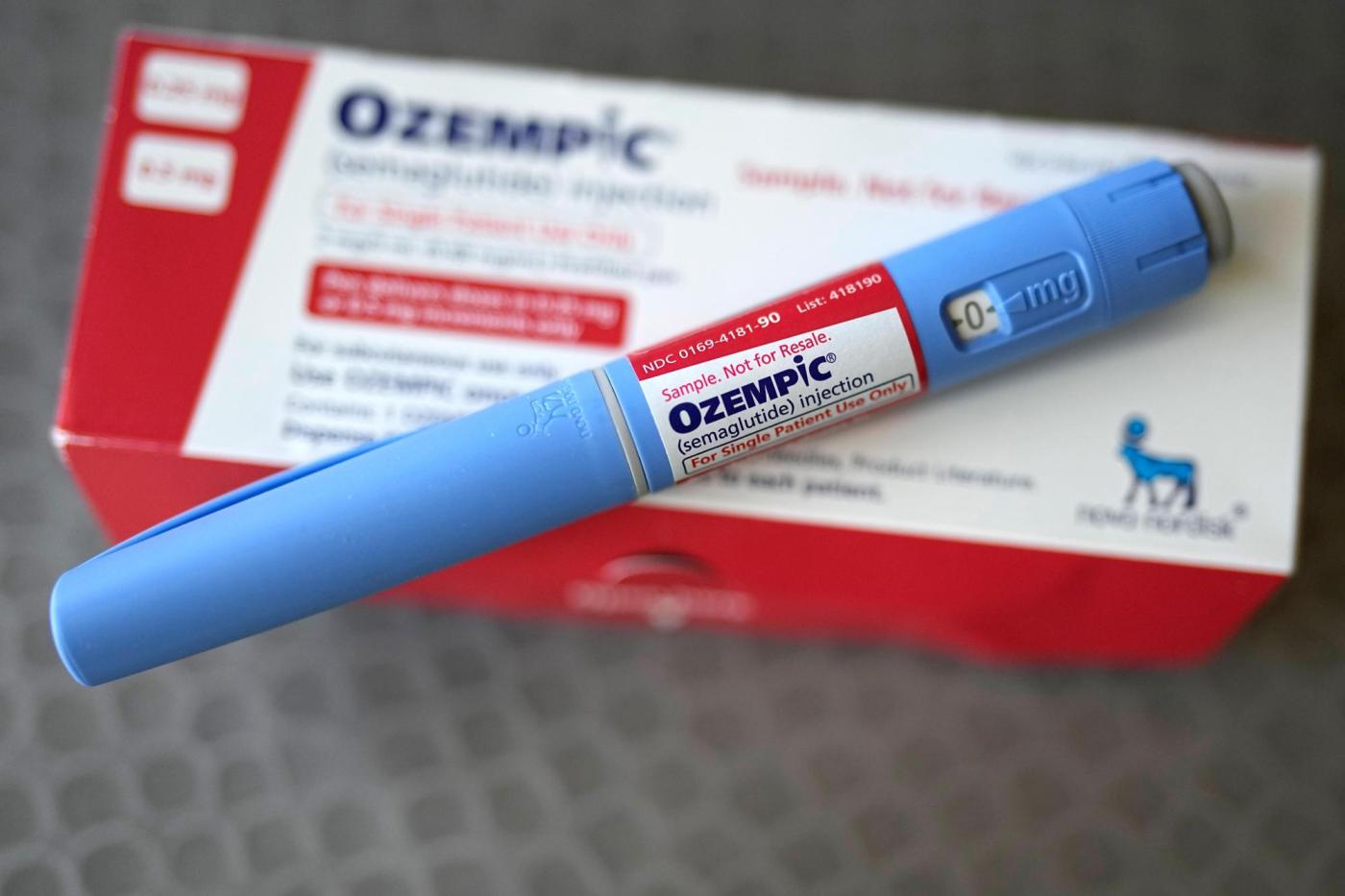
The Food and Drug Administration’s (FDA) recent actions to restrict access to ingredients used in independently produced versions of glucagon-like peptide-1 (GLP-1) drugs have sparked widespread backlash from users and independent pharmacy labs. This move, which occurred in early February 2025, aims to limit the availability of cheaper alternatives while raising concerns about patient access to essential medications.
Compounding pharmacies, which create customized medications, have provided affordable options for GLP-1 drugs, with some versions available online for as low as $99 per month. In contrast, branded alternatives can range from $149 to $1,350 per month. The FDA’s crackdown appears to prioritize corporate interests over patient needs, according to critics.
Online users have voiced their frustrations on social media, with one individual, who uses a compounded version of Zepbound, expressing their gratitude for the medication and criticizing the pharmaceutical industry. “Maybe if the health insurance and pharmaceutical industries weren’t such grifters, people wouldn’t have to turn to alternatives for medicine that is effective,” the user commented, highlighting the challenges faced by many in accessing affordable treatments.
The situation is further complicated by a nationwide shortage of GLP-1 drugs that began in 2022, as reported by the Kaiser Family Foundation, which found that 12% of Americans were using these medications by 2025. Originally derived from gila monster venom, these drugs, like Saxenda and Wegovy, have proven effective for weight loss and diabetes management.
FDA Restrictions and Industry Reactions
The FDA declared the shortage of GLP-1 drugs over in early 2025. However, pharmaceutical companies like Novo Nordisk and Eli Lilly have since initiated lawsuits and campaigns to suppress competition from compounding pharmacies. In a notable move, the FDA specifically targeted the compounded version of Wegovy produced by Hims and Hers, a telehealth company valued between $300 million and $375 million.
On February 5, 2025, Hims and Hers offered their compounded version of Wegovy for $49 for the first month and $99 thereafter, significantly lower than the branded price. Just a day later, FDA Commissioner Martin Makary announced the crackdown, emphasizing that the actions were necessary to protect consumers from unverified drugs. “These actions are aimed to safeguard consumers from drugs for which the FDA cannot verify quality, safety, or efficacy,” Makary stated.
In response to the FDA’s announcement, Hims and Hers withdrew their pill version of Wegovy on February 7, but the injectable form remains available for $199 per month for a six-month plan.
Concerns Over Access and Affordability
Scott Bruner, CEO of the Alliance for Pharmacy Compounding, emphasized that price and access remain critical issues for consumers and healthcare providers. “You can’t leave the function of price out of this discussion. Compounding pharmacies don’t set their price to undercut FDA-approved manufacturers, but they do end up costing one-quarter to one-fifth of the FDA-approved drugs,” Bruner explained.
Josh Sharfstein, vice dean of the Johns Hopkins Bloomberg School of Public Health, noted that while compounding can provide temporary relief during shortages, the broader issue of medication affordability persists. “It’s a challenging question of access and price,” he remarked, stressing the importance of ensuring that patients can afford the medications they need.
As the debate continues, the impact of the FDA’s restrictions on patients remains uncertain. With an increasing number of individuals relying on alternatives to manage their health conditions, the tension between regulatory authorities and independent pharmacies is likely to intensify. The ongoing situation underscores the critical need for a balanced approach that prioritizes patient access while ensuring drug safety and efficacy.