March brings a wave of excitement to the world of sports, primarily due to the arrival of March Madness, which features 68 teams competing in a thrilling tournament format. This year’s event serves as a refreshing contrast to the often challenging month of February for college basketball coaches and teams. As the season’s intensity ramps up, coaches must navigate the pressures and challenges that come with the final stretch before the tournament.
February is typically a difficult month for college basketball programs. The excitement of November’s season opener, December’s high-stakes matchups, and January’s fierce rivalries gives way to a grind that leaves many teams struggling to maintain focus. By mid-February, some squads have already fallen out of contention for coveted tournament spots, leaving coaches frustrated and their teams experiencing a lack of motivation.
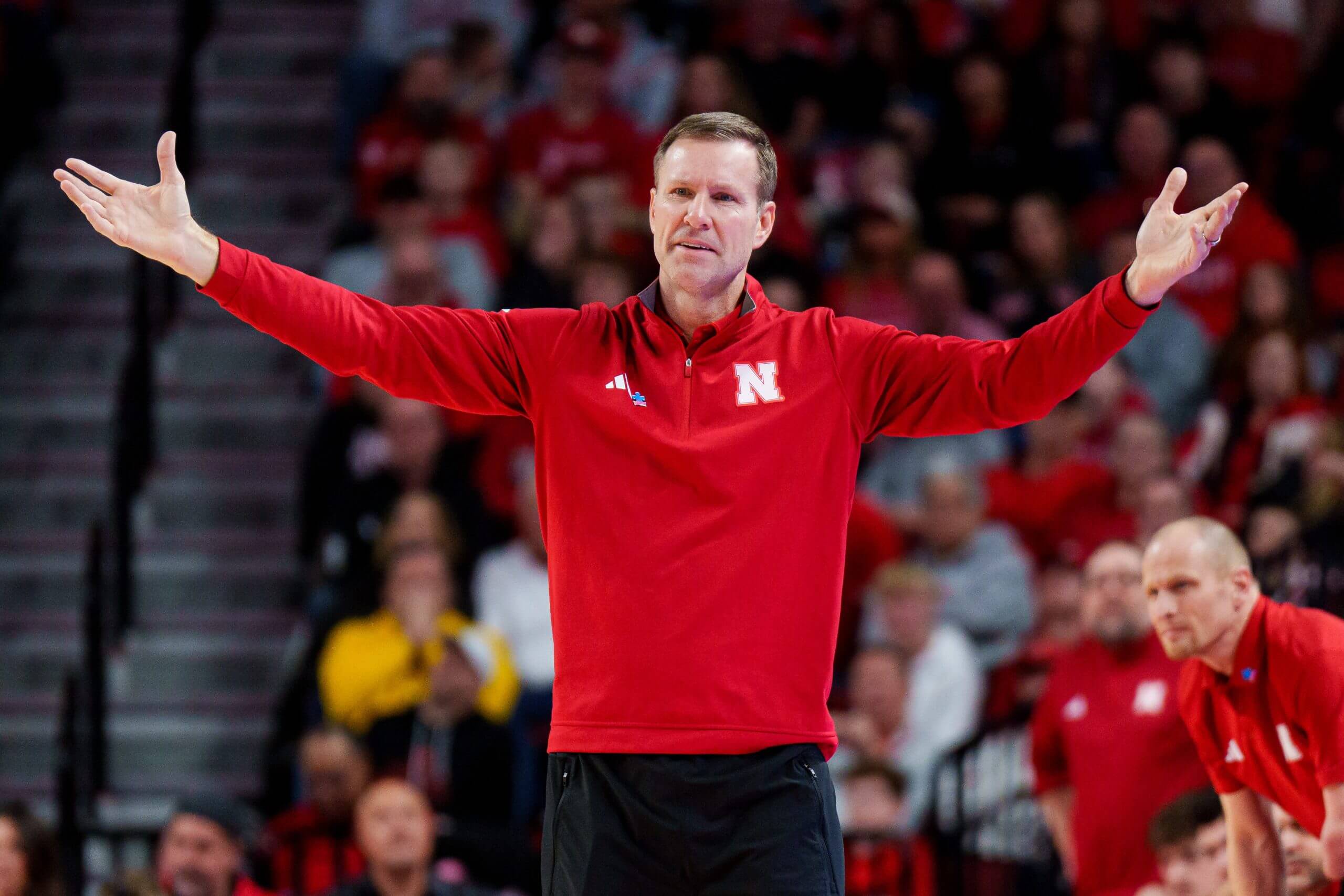
In a recent statement, Fred Hoiberg, head coach of the Nebraska Cornhuskers, highlighted the challenges of this period: “It’s a grind once you get into late January and February. You’ve got different teams fighting for different things, too.” The varying dynamics can lead to confusion, as teams compete for playoff positioning while others play the role of spoilers.
The statistics bear out the struggle of teams during this month. According to data from CBB Analytics, offensive efficiency for Power 5 teams decreased from an average of 120.3 in November to 114.4 in February. These numbers reveal the impact of fatigue and pressure as teams approach March. Many coaches are aware of the importance of keeping their players focused, though that’s easier said than done.
This February, the basketball landscape witnessed a series of unexpected losses by tournament hopefuls. For instance, Iowa State suffered a disappointing defeat against a depleted Texas Tech team, while Tennessee squandered a 13-point lead against Alabama. Other notable teams, including UCLA, Wisconsin, and Indiana, also faced setbacks that could jeopardize their postseason ambitions.
As coaches grapple with these challenges, some have expressed their frustrations publicly. Mick Cronin, head coach of UCLA, lamented his team’s defensive struggles after the loss to Minnesota, stating, “It’s been a grind, something I haven’t experienced in 30 years in college.” Similarly, Rick Barnes of Tennessee remarked, “Not everybody was totally locked in,” following their loss to Alabama.
Despite these frustrations, March offers a fresh start and the promise of exhilarating competition. Coaches and players alike look forward to the upcoming tournament, where unexpected outcomes and thrilling moments are the norm. The intensity of March Madness transforms the landscape of college basketball, where teams can redeem themselves and make a mark in the tournament.
As the season reaches its climax, the focus shifts to the final week of the regular season. Coaches are preparing their teams for the bracketed battles ahead, hoping to capitalize on the momentum that March brings. While some will experience the euphoria of victory, others may face the harsh reality of unthinkable losses or even dismissal from their positions.
In conclusion, while February may present significant hurdles for college basketball coaches, the arrival of March Madness heralds a new chapter filled with potential and excitement. The next few weeks promise to be a showcase of determination and skill as teams vie for glory on the national stage.