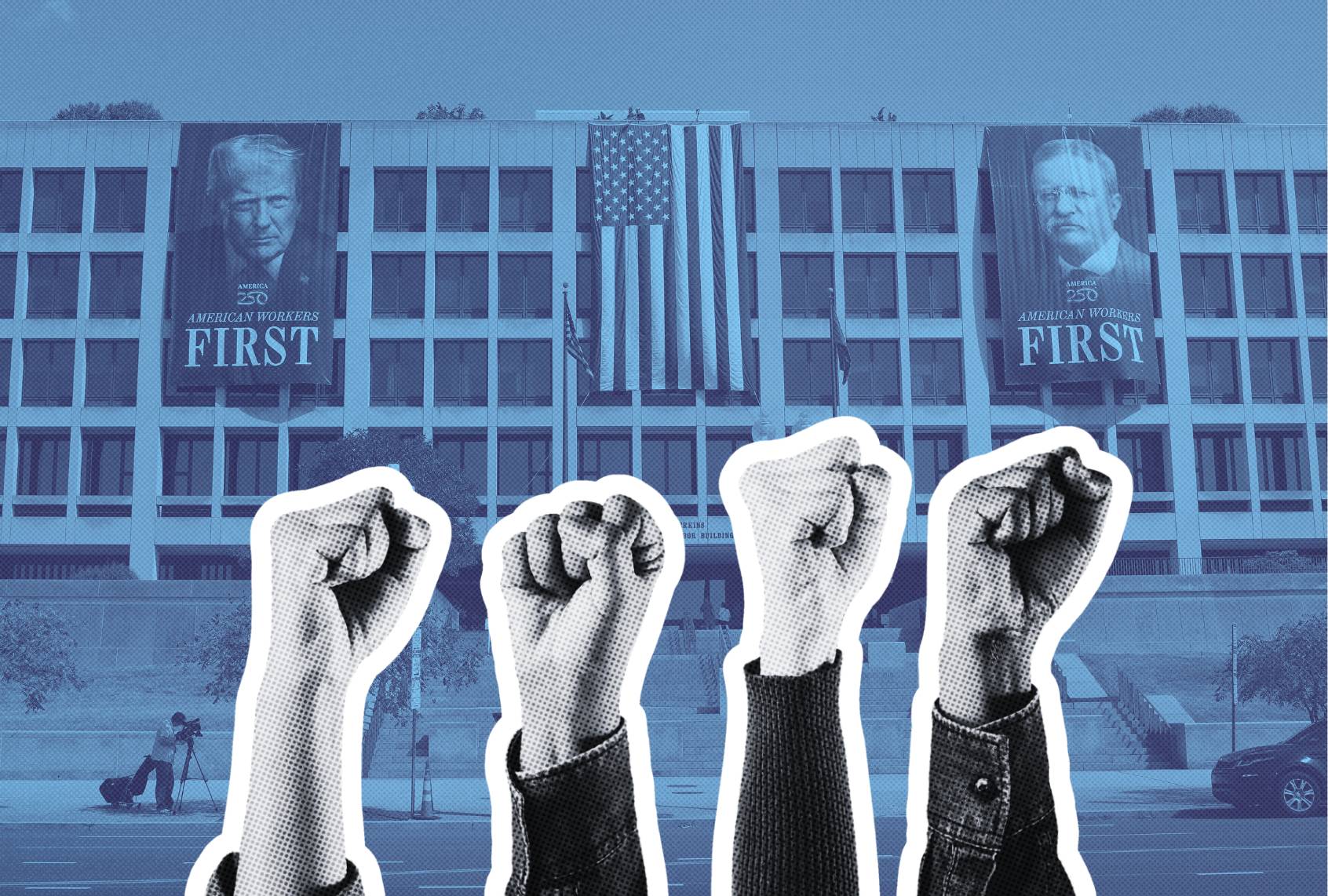
A recent case involving a worker from a Trader Joe’s in Boston has highlighted significant changes within the National Labor Relations Board (NLRB) that critics argue undermine workers’ rights. Earlier this year, the NLRB dismissed the worker’s wrongful termination case, citing a “lack of cooperation.” This dismissal aligns with the board’s new policy that shifts the burden of proof onto employees or unions alleging unfair labor practices.
Under the revised guidelines, individuals bringing cases must now provide comprehensive documentation, including timelines and witness lists, before an investigator is assigned. Previously, this information was collected by board investigators. If workers fail to meet these new demands, their cases are likely to be dismissed outright.
The NLRB has justified these changes by citing “the existing backlog of cases and decreasing staffing levels.” However, this shift has been welcomed by employers who may benefit from reduced scrutiny. Law firms assisting businesses in labor disputes have also praised the new policy as a significant victory for employers.
Seth Goldstein, an attorney representing the Trader Joe’s worker, expressed concern about the potential impact of this policy on vulnerable employees. “I can’t imagine how many dismissals have occurred, where people just accept it as the final word by the government,” he stated. His comments reflect a growing anxiety among labor advocates regarding the implications of such changes.
Leadership Challenges at the Department of Labor
The turmoil within the Department of Labor has drawn attention, particularly under the leadership of Lori Chavez-DeRemer, a Republican congresswoman appointed by former President Donald Trump. Since taking office, Chavez-DeRemer has faced multiple controversies, including allegations of personal misconduct, which she has denied. Additionally, her husband has been accused of sexual assault by two women within the department, leading to his ban from the premises.
The department’s inspector general, Anthony D’Esposito, has expanded investigations into these allegations, resulting in the resignation of several top aides. These leadership issues have raised concerns about the overall direction of the department and its ability to effectively manage labor-related cases.
Compounding these challenges, the Equal Employment Opportunity Commission (EEOC) has shifted its focus under Trump appointees, targeting diversity, equity, and inclusion initiatives. Andrea Lucas, the chair of the EEOC, has called for a comprehensive review of discrimination practices, emphasizing the need to address grievances from all demographics, including white male employees.
Impact on Labor Rights and Union Activity
Data from the NLRB reveals a troubling trend in labor rights and union activity. The agency has been functioning without a quorum for nearly a year, severely limiting its ability to issue rulings. As a result, new union activity has declined significantly. According to a review by the Center for American Progress, NLRB-sanctioned union elections dropped by 30% in Trump’s first year, with participation rates seeing a 42% decrease.
An insider at the NLRB indicated that the challenges facing the agency have been accumulating for a decade, exacerbated by funding cuts and staffing shortages. Despite efforts by the Biden administration to increase hiring, the NLRB still lacks sufficient personnel to handle its growing caseload. This imbalance has led to delays in handling cases, with the average time for hearings ballooning from 215 days to 495 days between fiscal years 2022 and 2025.
The current dysfunction could create increased financial liabilities for employers facing wrongful termination claims. For instance, if a case is resolved in favor of an employee, an employer could now be liable for over a year’s worth of back pay, a significant increase from previous averages.
Remaining aware of these developments is crucial, as they reflect a broader agenda perceived as anti-worker by many labor advocates. Aurelia Glass, an analyst at the Center for American Progress, emphasized that these changes signal a systematic effort to undermine workers’ rights to organize. “Leaving the board without a quorum for almost a year is significant,” she stated, referencing the many legislative and regulatory shifts impacting labor rights.
As the NLRB navigates its current challenges, the future of labor rights in the United States hangs in the balance, leaving many to wonder about the long-term implications for workers seeking to assert their rights.