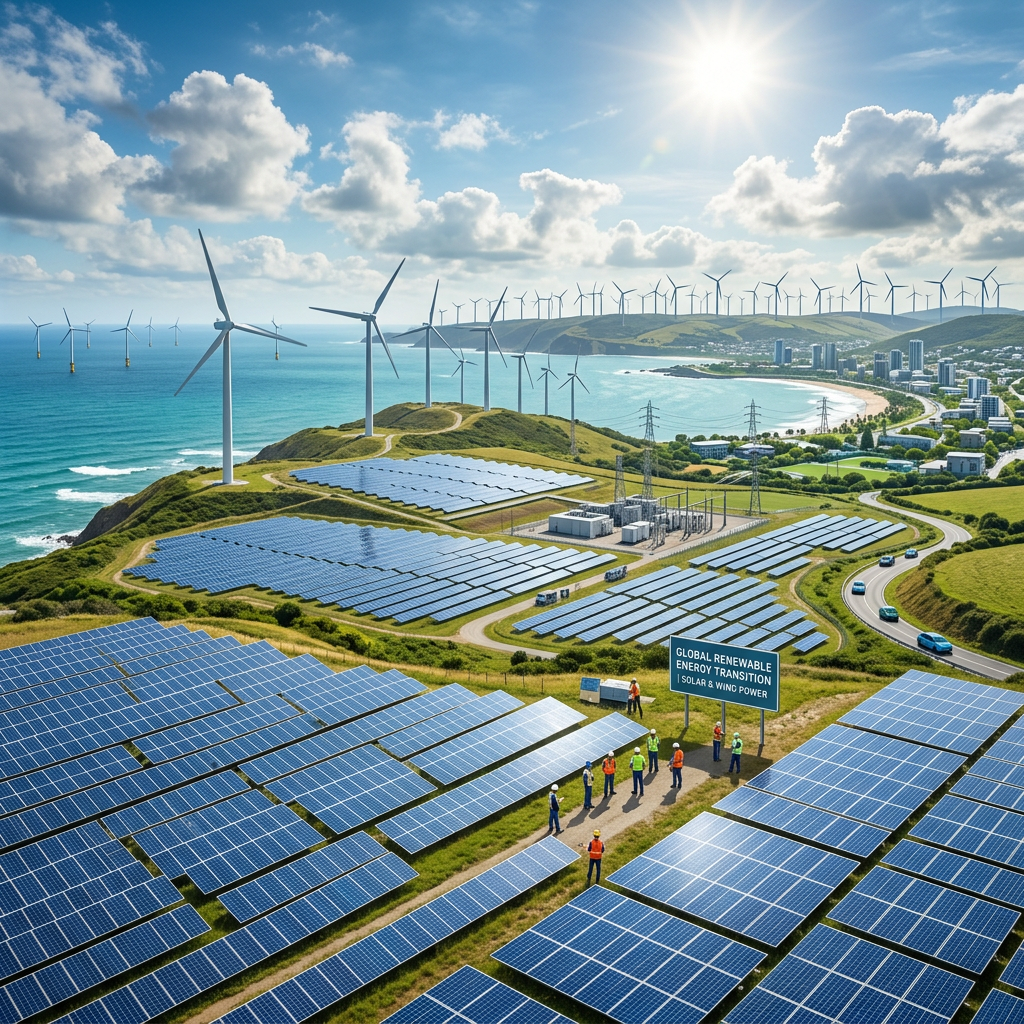
IRENA Issues Urgent Call For Global Switch to Renewables Amid Energy Crisis
The International Renewable Energy Agency (IRENA) has released a critical policy advisory demanding an accelerated shift toward renewable energy sources to confront today’s rapidly evolving global energy crisis. The advisory arrives as ongoing conflicts in the Middle East continue to disrupt oil and gas supply chains, triggering sharp spikes in energy prices worldwide that threaten critical sectors such as food production, transportation, and overall economic stability.
IRENA emphasizes that the only reliable defense against volatile fossil fuel markets and supply interruptions is a swift transition to renewable technologies like solar, wind, and battery storage. The agency outlines a three-tier plan for governments to act immediately, in the medium term, and long term to secure affordable, reliable, and resilient energy systems.
Immediate Actions to Protect Essential Services
Within the next zero to six months, IRENA urges governments to prioritize critical sectors such as healthcare and agriculture by rapidly deploying small-scale renewable systems, including solar PV arrays paired with battery-backed mini-grids. These decentralized solutions can replace costly diesel fuel in remote and vulnerable communities, reducing energy costs and improving resilience.
The advisory also calls for swift removal of trade barriers that currently hinder the import of solar panels, batteries, and other renewable equipment, speeding up deployment of clean technologies. Governments must also launch wide-reaching public campaigns to promote energy-saving habits and reduce demand pressure during this fragile period.
Medium-Term Measures to Boost Infrastructure and Flexibility
Over the following six to twelve months, IRENA recommends establishing dedicated national task forces to ensure continuous financing of renewable energy projects and power grid modernization. Increasing the integration of battery storage is critical to enhance system flexibility and better manage electricity demand amid fluctuating supply and consumption patterns.
The advisory underlines the need to accelerate approvals for electric vehicle (EV) charging infrastructure while promoting clean heating alternatives such as heat pumps and biogas systems. These steps will facilitate a broader shift away from fossil fuels and lay the groundwork for sustainable transport and energy usage.
Long-Term Policies to Secure Renewable Investment and Supply Chains
Looking one to three years ahead, IRENA stresses the importance of establishing stable, transparent policies that attract private and public investment in renewables. Developing domestic manufacturing capabilities for solar panels, batteries, and related components is highlighted as vital to reduce dependency on volatile global supply chains.
The report suggests that any financial support to fossil fuel sectors must be conditioned on demonstrable progress toward renewable energy adoption, aligning economic incentives with climate and energy resilience goals.
Economic and Energy Security Benefits Highlighted
IRENA draws attention to the falling cost of renewable energy as a key driver for urgent action. By 2024, around 91 percent of new renewable power projects globally were cheaper than fossil fuel counterparts. The cost of solar power has plummeted by 87 percent since 2010, while battery storage expenses declined by 93 percent, making renewable technologies not only environmentally essential but also economically superior.
Recent data from early 2026 showcases the tangible benefits of renewables amid current energy shocks. The European Union has saved billions in fossil fuel expenses thanks to increasing solar and wind electricity generation. Countries like Spain and Portugal have successfully reduced their dependence on gas prices through expanded clean energy use.
Meanwhile, China, with its low reliance on oil and gas, remains comparatively insulated against global price volatility. South Asian nations such as Pakistan and India are expanding solar adoption and promoting electric cooking, helping households manage soaring energy costs during the crisis.
Electric Vehicles Growing as a Resilience Factor
The report also points to the rapid rise in electric vehicle adoption as a key marker of energy resilience. High EV penetration in countries like China and Vietnam offers protection from volatile gasoline and diesel prices, highlighting the critical role of clean transport in safeguarding consumers against future energy shocks.
“A faster transition to renewable energy is essential to ensure affordable, reliable, and secure energy for all,” the IRENA advisory concludes.
For Nevada and the United States, this report serves as a stark reminder of the urgency to boost clean energy investments, streamline permitting for renewable infrastructure, and promote public awareness to reduce fossil fuel dependence amid global instability.
As supply chain disruptions and price volatility show no sign of abating, Nevada’s growing solar and battery storage industries stand at the forefront of local solutions that can shield residents and businesses from unpredictable fossil fuel markets—proving renewables are not just a climate imperative but an economic and security necessity right now.