Forest Officials Intensify Restoration Six Years After Devastating Bighorn Fire
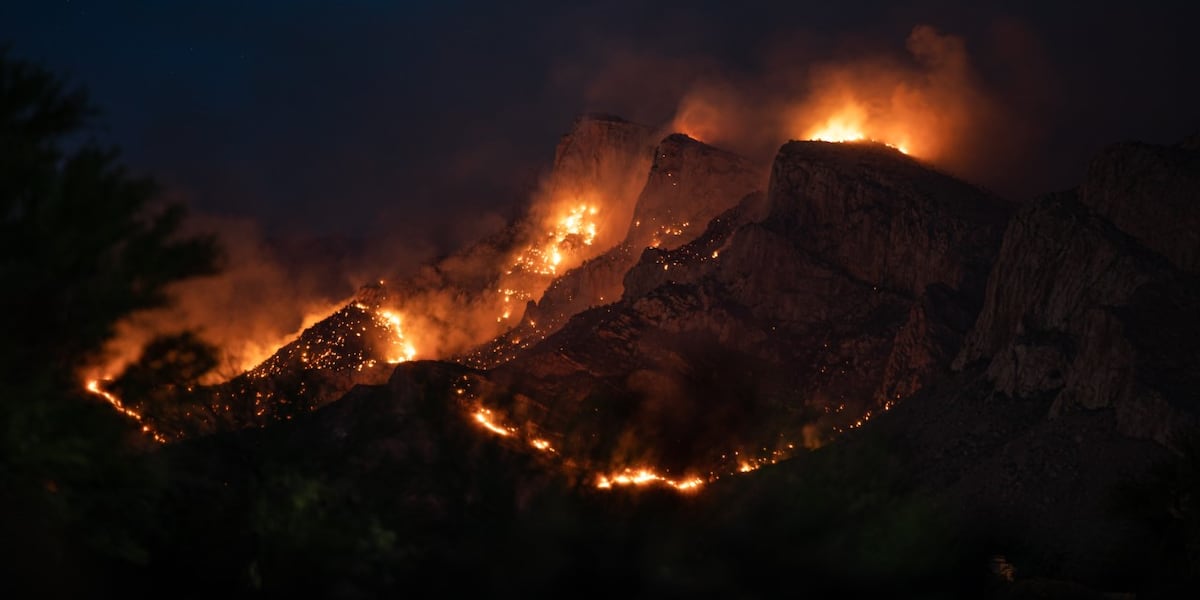
Nearly six years after the Bighorn Fire scorched 120,000 acres across the Catalina Mountains, forest service officials are ramping up urgent efforts to combat persistent post-fire dangers like flooding and severe erosion. The fire’s destructive impact on vegetation and soil remains a critical threat across the region, prompting ongoing large-scale restoration initiatives.
The Bighorn Fire not only burned vast tracts of forest, but triggered dangerous hydrological events during raging monsoon storms at the height of the blaze. Floodwaters surged violently through the CDO Wash, carrying debris, sediment, and creating hazardous conditions well beyond the fire itself.
Nature’s Recovery Falls Short, Experts Say
Edgar Martinez, watershed manager and hydrologist for Coronado National Forest, stressed that while natural erosion control partially takes hold upstream, “sometimes nature needs some help” to stabilize the landscape. To that end, groups including the Sky Island Alliance have been installing engineered loose rock structures designed to trap soil and sediment and restore the scarred watershed.
“These structures retain soil and help recover from the post-fire incision we’ve been seeing,” said Sarah Truebe, conservation manager for Sky Island Alliance.
Martinez recalled that the post-fire emergency response revealed not only widespread tree loss but also severe damage to the ground itself, heightening risks of further erosion and flash floods as rainstorms pound the fire-ravaged slopes.
Continued Risks From Erosion, Falling Trees
Truebe highlighted how vegetation destruction has left soil vulnerable to being washed away. The lack of deep-rooted plants to hold soil in place fuels problems like landslides and debris flows that threaten nearby communities and ecosystems.
Current efforts focus on slowly reversing these effects. The loose rock barriers are steadily strengthening natural erosion control. Meanwhile, trees killed in the fire are now gradually falling and creating their own makeshift soil barriers.
“Over time, we gradually recover from the incision that is in the area throughout the Catalinas because of the fire,” Truebe said.
Looking Ahead: Bigger Restoration Projects on the Horizon
With the fire now over five years behind them, Martinez and his team are planning to escalate restoration activities. “Now that we’re within that range, or past it, we can start to think about, you know, potentially some higher ground or more large-scale restoration work on the mountain,” he said.
However, officials caution that significant funding and volunteer support remain necessary to sustain and expand this critical work. continued attention will be vital to protect watersheds and communities across the region.
For residents in Nevada and throughout the Southwest, the Bighorn Fire aftereffects underscore the long-lasting threat of wildfires to mountain ecosystems and downstream communities. With climate-fueled blaze seasons growing longer and more intense, ongoing restoration and erosion control efforts like those in the Catalina Mountains represent urgent models for wildfire recovery nationwide.