Breaking: Nigerian Civil Society Groups Demand 90-Day Extension of Election Timelines
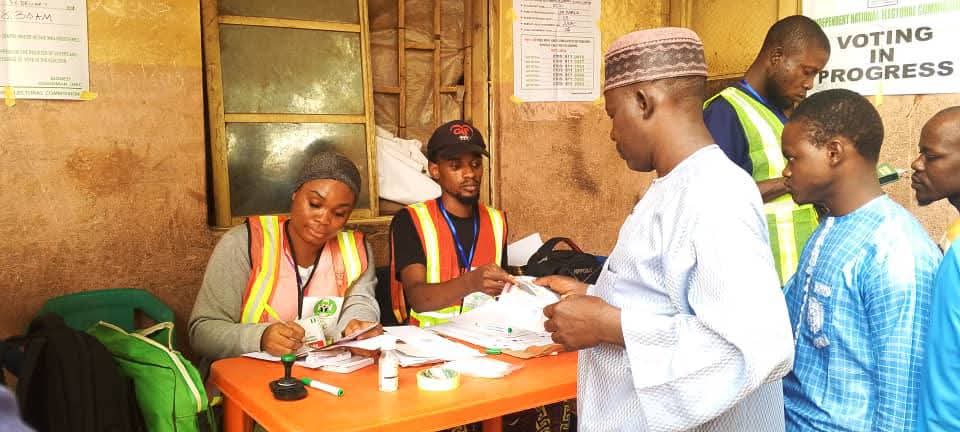
A coalition of Nigerian civil society organisations (CSOs) has urgently called on the Independent National Electoral Commission (INEC) to extend key deadlines for the 2027 general elections by 90 days amid widespread legal disputes affecting major political parties. The demand was formally submitted in a detailed letter dated May 4, 2026, signaling a deepening crisis over electoral preparedness and trust in the democratic process.
The Movement for Credible Elections (MCE), working alongside the Good Governance Group (GGG), stressed that ongoing legal battles around party leadership within the African Democratic Congress (ADC), Peoples Democratic Party (PDP), Social Democratic Party (SDP), and Labour Party (LP) are jeopardizing the ability of these parties to complete essential electoral requirements. The coalition argues that this legal uncertainty blocks parties from conducting congresses, updating membership registers, and holding transparent primaries, thereby threatening the overall legitimacy of the upcoming elections.
Legal Roadblocks Fuel Calls for Major Timeline Shift
In the letter, the coalition highlighted recent Supreme Court rulings that have created unstable and fragmented party structures. Noting the constitutional requirement under Section 77(2) that parties submit consistent membership registers, the group warned that such foundational instability clashes with INEC’s fixed timeline for electoral preparations.
The MCE called out what it describes as INEC’s “uneven regulatory approach” that has compounded confusion among opposition parties, urging the commission to exercise its discretionary power under Section 153 of the Constitution to rectify the situation by granting a 90-day deferral. “Where strict adherence to timelines undermines fairness, such timelines must yield to equity,” the letter reads, emphasizing the need to restore fairness and democratic inclusiveness ahead of the vote.
Democracy at Stake: Public Confidence on the Line
The coalition warns that failure to extend the timelines risks further litigation, deeper political polarization, and a collapse in public confidence, which could seriously undermine Nigeria’s fragile democratic process. “A 90-day extension is not a concession; it is a necessary recalibration to restore balance and uphold the principles upon which our democracy is founded,” stated Prof. Usman Bugaje, chairman of MCE.
Co-chair Dr. Oby Ezekwesili and other signatories including Dr. Isuwa Dogo of GGG and Olawale Okunniyi, head of MCE’s national secretariat, underscored the urgency of addressing these institutional weaknesses to ensure the elections are credible, inclusive, and fair for all stakeholders.
INEC Yet to Respond: What’s Next?
As of now, INEC has not issued an official response to the request, leaving the electoral timetable in flux with less than a year remaining before the landmark 2027 polls. Experts warn that the commission’s decision will be pivotal in shaping Nigeria’s democratic future, with ripple effects on political stability and governance across the region.
US and global observers have been closely watching Nigeria’s electoral system, given its critical role in Africa’s largest economy and the world’s most populous democracy. The developments raise broader questions on how election bodies balance rigid timelines with complex legal and political realities during increasingly polarized elections.
Why This Matters to US and Nevada Readers
While these issues unfold thousands of miles from Nevada, the challenges Nigeria faces resonate internationally amid ongoing debates in US politics around election security, fairness, and governance integrity. The push by CSOs for flexibility and fairness highlights a universal tension in democracies globally: how to maintain order while accommodating vibrant but turbulent political competition.
Stay with The Nevada Voice for continuing updates on this developing story and its global democratic implications.