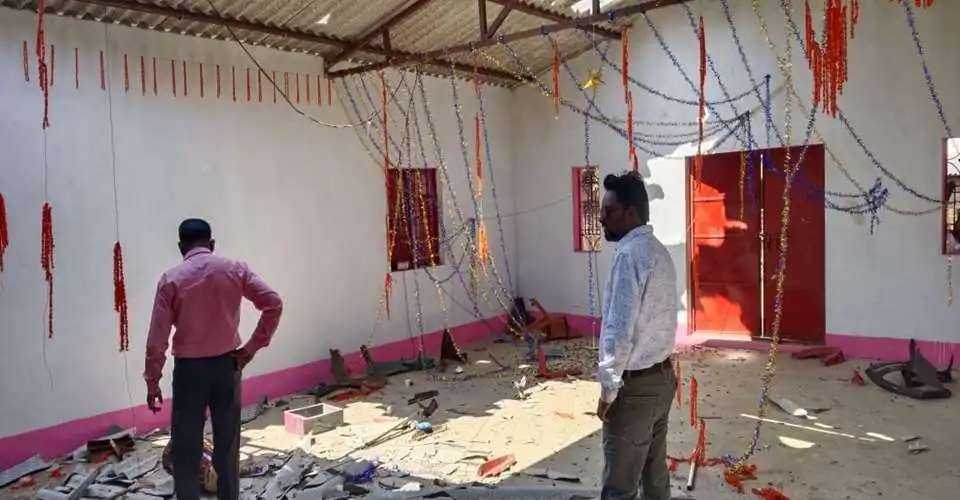
Activists Expose State Complicity in Violent Attacks on Christians in Odisha
New reports confirm a surge in brutal violence and discrimination targeting Christians in Odisha, India, with activists accusing the state government of direct complicity in attacks and systemic abuse. The revelations emerge from a People’s Tribunal fact-finding mission that included prominent rights advocates such as John Dayal and Harsh Mander, who documented horrifying assaults and social exclusion tactics unfolding in several districts as of May 6, 2026.
According to the tribunal’s detailed report, Christian communities—especially Dalits and indigenous Adivasis—are being subjected to physical attacks on pastors, priests, and churches, forced disruption of prayer meetings, and widespread denial of basic rights such as burial procedures. The activists describe a chilling pattern where local police forces collaborate with Hindu nationalist groups to intimidate Christians and coerce them into renouncing their faith.
“In multiple cases, police officers joined Hindutva organizations to force Christians to sign ‘compromise agreements’ surrendering their religious freedom and collective worship,” stated John Dayal in an interview. The report also highlights instances where Christians were forcibly confined in police stations and jailed on false charges relating to unlawful religious conversion.
State Officials Accused of Failing to Protect Vulnerable Minorities
The fact-finding team holds Odisha’s authorities—including police, civil administrators, elected officials, and ministers—accountable for a “complete breakdown” of constitutional protections ensuring religious freedom and public safety for Christian minorities. Across multiple districts, victims reported being ostracized from village life, denied employment, and in some cases forcibly expelled from their homes.
Activists emphasize that the suffering extends beyond direct victims of violence. Non-Christians who associate with Christians—employing them, trading with them, or offering shelter—face fines or social boycotts imposed by local Hindu nationalist enforcement groups. This coordinated economic and social exclusion deepens the crisis.
Violence Includes Extreme Physical Brutality and Sexual Assault
Far beyond exclusion, the tribunal documented alarming acts of extreme brutality. Victims were tied to trees and beaten, violently assaulted inside sacks, sexually abused, and in some cases, threatened with immolation. These attacks starkly recall Odisha’s darkest chapters, notably the 2008 Kandhamal district violence when hundreds of Christians were killed, and more than 600 villages and churches destroyed.
Another grim precedent is the 1999 murder of Australian missionary Graham Staines and his two young sons, who were burned alive in Keonjhar district. Rights groups warn that the violence has escalated sharply since the Hindu nationalist Bharatiya Janata Party took control of the Odisha government in June 2024.
Why This Matters to US and Global Audiences
Religious freedom remains a key human rights concern worldwide, with U.S. lawmakers and international bodies continually monitoring such abuses. The rise in organized persecution of Christians—and other marginalized communities—signals broader authoritarian trends tied to nationalist politics.
Reports like these from Odisha underscore the fragile nature of minority rights, even in democracies bound by constitutional guarantees. The United States, known for its commitment to religious liberty, could face diplomatic and humanitarian challenges as such abuses persist unchecked.
Looking Ahead: Calls for International Pressure and Justice
The activists behind the tribunal are calling for immediate intervention by Indian central authorities and international human rights organizations to restore the rule of law, protect minority communities, and hold perpetrators accountable.
John Dayal urged, “The unrest in Odisha demands urgent global attention and action. The state machinery’s failure is not just a local issue—it threatens India’s constitutional framework and needs wider condemnation.”
The Nevada Voice will continue monitoring developments in Odisha and across India’s minority communities to provide timely updates on evolving human rights issues impacting global and American interests.