Citi’s Top Executives Unveil Urgent Culture Overhaul to Drive Big Wins
Citi is racing to modernize its culture with a relentless, “pitbull” mentality as part of a sweeping transformation now over 90% complete, top executives revealed today at the bank’s investor day.
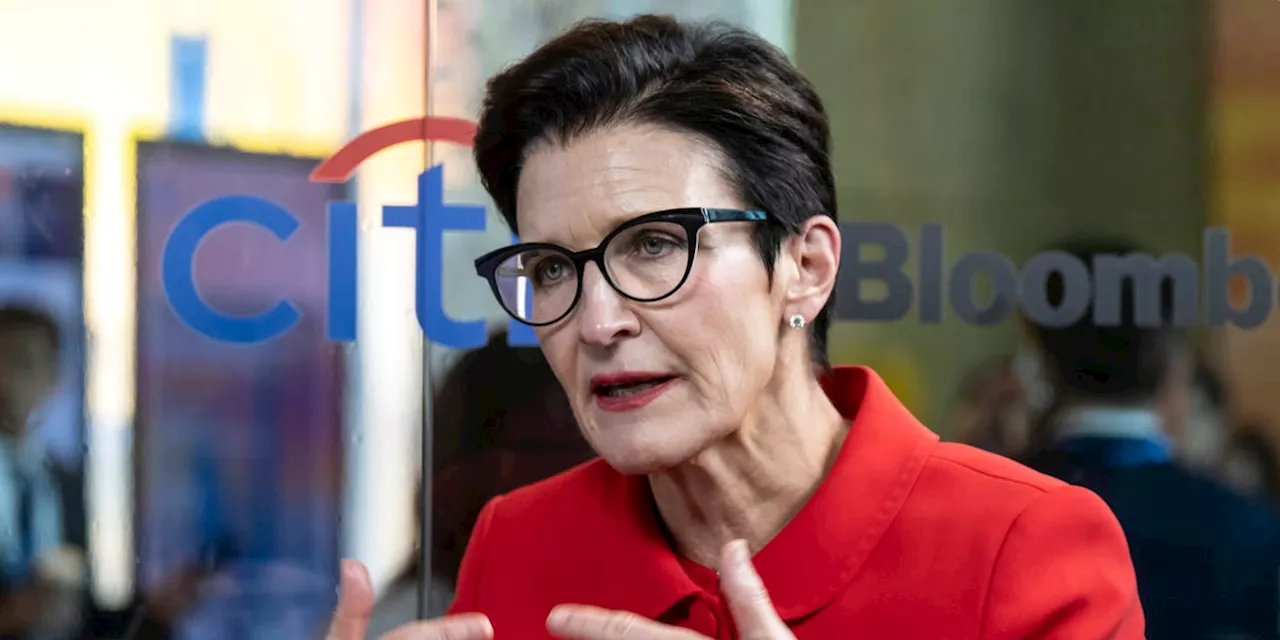
Under CEO Jane Fraser, who took the helm in 2021, Citi has launched deep changes including leadership shifts, layoffs, and new performance standards aiming to embed a winning mindset across its workforce of more than 200,000.
Fraser and Citi executives emphasized their “serial winning mindset” as the key to the bank’s revival, highlighting accountability, client obsession, and measurable shifts in organizational health as core pillars.
Relentless Focus on Winning and Accountability
The day opened with energy, featuring Easy McCoy’s song “Beat the Best” to capture Citi’s new aggressive culture. Fraser herself invoked the need to “adopt a more commercial mindset” and wipe out “old, bad habits.”
Despite a market close boost of 1.18% to Citi’s stock, Fraser acknowledged there is still work to do to reach profitability targets of 14%-15% return on tangible common equity by 2029, trailing peers like JPMorgan at 20%.
Financial analyst Mike Mayo of Wells Fargo, known for calling out the old Citi as “reckless, arrogant, and complacent,” pressed the leadership for specifics on how long the culture change will take. While not providing firm timelines, executives painted a clear path forward focused on rigorous performance tracking and leadership accountability.
Measuring Culture Change Through Data and Talent
Fraser detailed how the bank tracks organizational health monthly to prevent slippage in its new structure. “We review… operating dashboards every single month in excruciating detail,” she said.
Viswas Raghavan, head of banking and executive vice chair, stressed that investing in top talent and rewarding results is central to this cultural shift.
“Having a serial winning mindset is key to transforming the culture,” Raghavan said.
Andy Morton, leader of Citi’s markets division, confirmed the atmosphere of success is palpable on the trading floor, praising Fraser for publicly acknowledging employees’ contributions, which he said “ultimately changes the culture.”
Client Obsession at the Heart of Transformation
Executives repeatedly returned to clients as the ultimate motivator, with five of six leaders highlighting customer focus. Raghavan called for “obsession with delivering for clients” and linked that mindset directly to business metrics like wallet share.
Andy Sieg, head of wealth management, said ambition and accountability must replace “managing up,” urging employees to prioritize client needs above internal politicking.
Meanwhile, Pam Habner, overseeing consumer cards, summed up her team’s approach: “We are maniacally obsessed with customers. Our mantra this year? Go mode.”
Why This Matters to Nevada and U.S. Banking Customers
This cultural reinvention at Citi mirrors wider pressure on U.S. banks to boost accountability and regain public trust amid years of regulatory scrutiny. For consumers and investors in Nevada and nationwide, it signals a renewed push by one of America’s largest banks to compete fiercely on service and growth.
With Citi’s transformation nearing a critical milestone, the marketplace will be watching closely to see if this aggressive new mindset translates into durable gains for employees, clients, and shareholders alike.
The coming months will reveal how deeply the “winner’s mindset” takes hold and shapes Citi’s future — a message Nevada’s investors and customers should be keenly aware of as the bank moves forward.