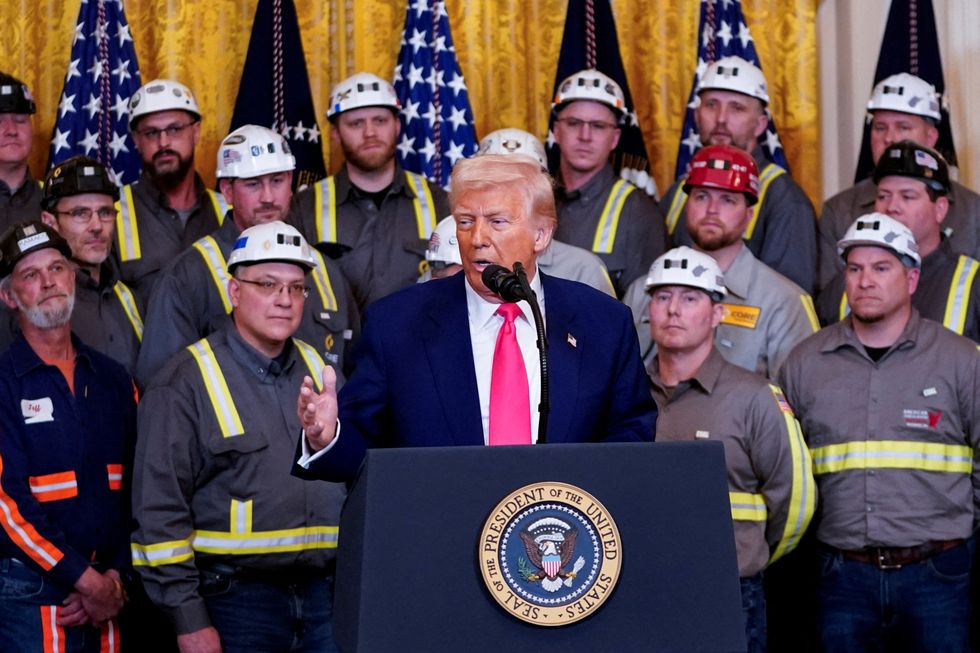
President Donald Trump’s aggressive push to revive the coal industry is fueling a severe health crisis among coal miners, many of whom are among his staunchest supporters across the Appalachian region.
New reports confirm that policies enacted under Trump’s second term, touted as efforts to protect and invigorate “beautiful, clean coal,” are instead contributing to miners suffering from black lung disease — a debilitating and often fatal lung condition.
Miners Exposed to Deadly Silica Dust Amid Delayed Safety Rules
Rebecca Shelton, director of policy for the Appalachian Citizen’s Law Center, told Mother Jones this week that the administration’s actions have directly harmed miners by delaying critical safety protections. “If the Trump administration actually cared about protecting coal miners from black lung, we’d have a strong silica rule in place right now,” Shelton said. “Instead, they are hiding behind a ridiculous legal process to delay action while miners get sick and die.”
Black lung disease has worsened recently as mining operations require workers to cut through increased amounts of quartz-heavy rock, exposing them to crystalline silica dust known to cause severe lung damage. This dangerous trend is hitting states that voted heavily for Trump in the last election, including Ohio, Tennessee, Kentucky, and Virginia, where coal mining is a primary industry.
Trump Cuts Safety Budgets While Mining Regions Suffer
Despite representing Republican strongholds, the southwestern Virginia coalfields – a major mining hub – face growing health risks. On taking office, Trump immediately slashed the budget and staff at the Mine Safety and Health Administration (MSHA), the federal agency responsible for enforcing mining safety regulations.
Following intense lobbying from coal industry groups, MSHA delayed enforcement of a new rule designed to protect miners from silica dust. This move came shortly after Trump’s inauguration and has drawn criticism for putting industry profits above worker safety.
Personal Toll From Policy Failures: The Case of Justin Smarsh
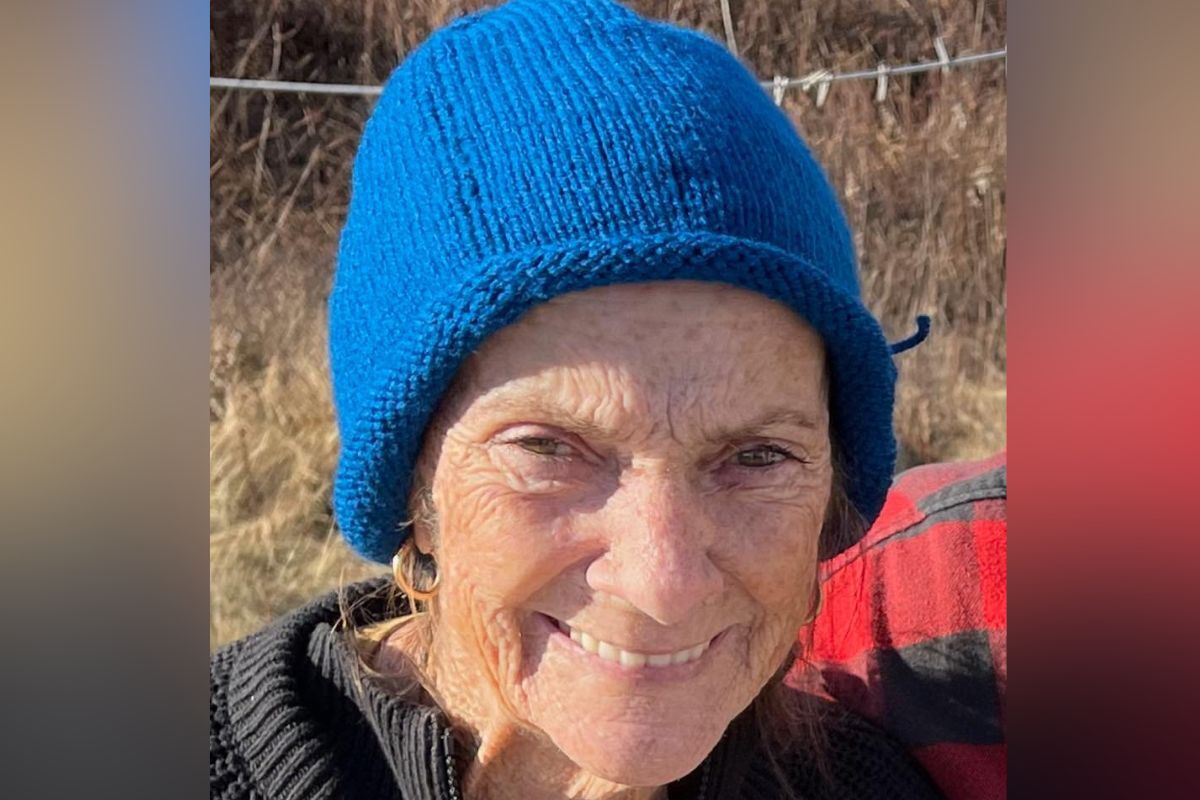
Justin Smarsh, a 42-year-old former coal miner from Cherry Tree, Pennsylvania, faces a grim prognosis after being diagnosed with progressive massive fibrosis, the most severe form of black lung disease. Doctors have told Smarsh he likely will not live to see 50.
“All they’re worried about is ‘you better have that black gold,’” Smarsh said. “They say they care about miners, but you go underground, you’re taking the risk, for you to get nothing but sick, and to fill their pockets full.”
Smarsh’s story underscores the human cost behind the political rhetoric celebrating coal.
Why This Matters Now
Coal mining remains a politically charged issue, especially in states crucial to Republican majorities. Trump’s ongoing championing of coal aims to deliver economic revival promises to these voters, yet the health of miners is rapidly deteriorating.
With thousands of miners exposed to hazardous silica dust and fewer resources dedicated to mining safety enforcement, the industry faces a reckoning that could impact public health and electoral dynamics in key battleground regions.
Federal regulators and advocates are calling for urgent reinstatement and enforcement of strong silica protections to prevent further loss of life and illness among coal workers, while industry groups continue to lobby against such measures.
What’s Next?
As the coal industry pushes forward amid these health crises, watch for potential policy battles over worker safety rules and possible legal challenges tied to MSHA’s delayed enforcement actions. Public pressure may mount as more miners like Smarsh share their stories.
The situation highlights the tension between economic priorities and human health—a contest playing out not only in Appalachia but across U.S. energy policy debates that affect communities nationwide, including Nevada.