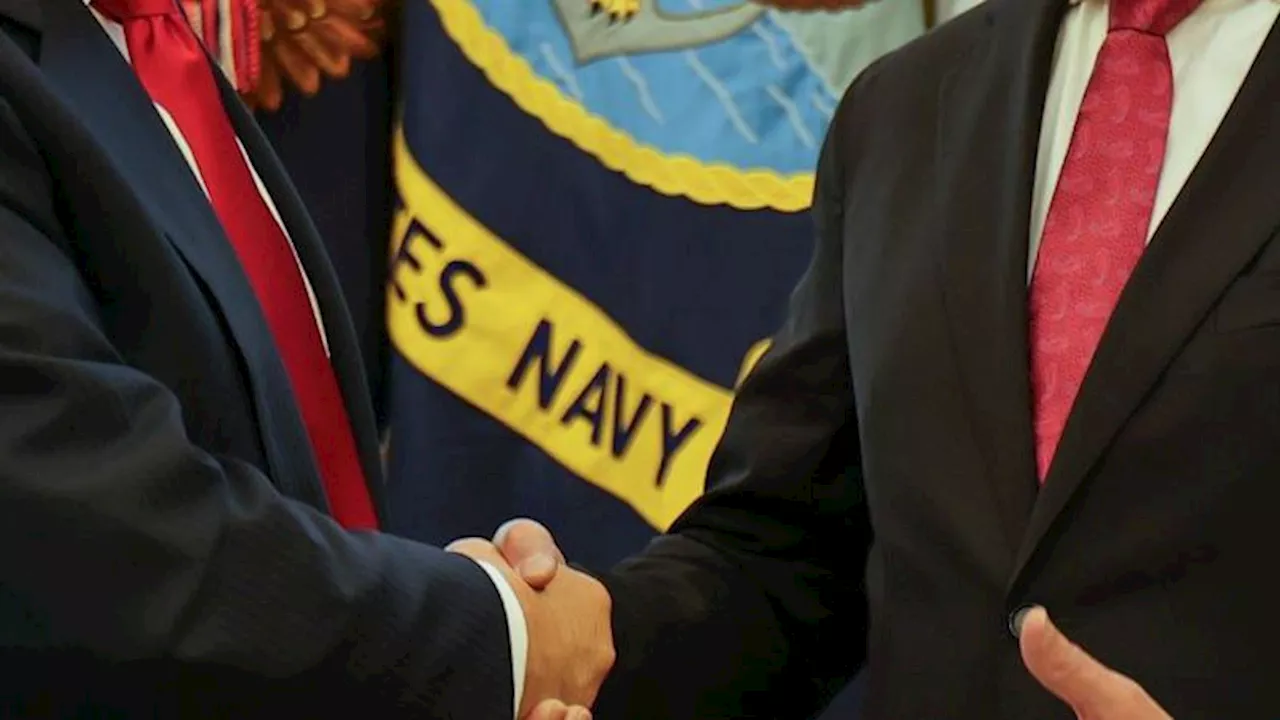
UPDATE: In a stunning diplomatic turnaround, Syria’s President Ahmed Al-Sharaa has arrived at the White House for a historic visit, signaling a dramatic shift from a $10 million bounty on his head to recognition on the global stage. This unprecedented meeting highlights not only Al-Sharaa’s personal transformation but also his ambitious agenda to reshape Syria’s international relations.
The visit comes less than a year after Al-Sharaa’s swift power ascent, during which he transitioned from a controversial leader to a figure seeking legitimacy in global diplomacy. This meeting underscores the evolving political landscape in Syria and the potential for renewed engagement with the West.
Just announced: Al-Sharaa’s presence at the White House is a pivotal moment for Syria, which has long been isolated due to its political and military actions. U.S. officials have expressed cautious optimism about the potential for diplomatic progress, indicating that discussions will focus on stabilizing the region and addressing humanitarian concerns.
In a related development, the BBC is facing scrutiny as it navigates an impartiality crisis, impacting its coverage of international events, including those surrounding Syria. This comes amid an escalating scandal that has led to the resignation of two top leaders at the organization.
Meanwhile, the situation in Ukraine remains dire as Kyiv grapples with power outages following a severe Russian aerial assault over the weekend. The challenges faced by the Ukrainian presidential palace highlight the ongoing conflict’s toll on everyday life, illustrating the urgent need for international support.
Furthermore, in the Pacific, Typhoon Fung-wong has made landfall in the eastern Philippines as a Category 3 hurricane, causing significant disruptions and prompting local authorities to issue evacuation orders.
As the world watches these developments unfold, the implications of Al-Sharaa’s visit extend beyond Syria. His engagement with the U.S. could represent a broader trend of diplomatic openings in the region, particularly as nations reevaluate their foreign policies amidst changing global dynamics.
NEXT STEPS: Observers are keenly awaiting details from the White House regarding the outcomes of this meeting. Key areas of focus will likely include discussions on humanitarian aid, economic partnerships, and security arrangements in the region. The international community is poised to respond to the evolving situation, with potential implications for U.S. foreign policy.
This rapidly developing story highlights the complexities of international relations and the potential for transformative change in longstanding conflicts. Stay tuned for updates as more information becomes available.