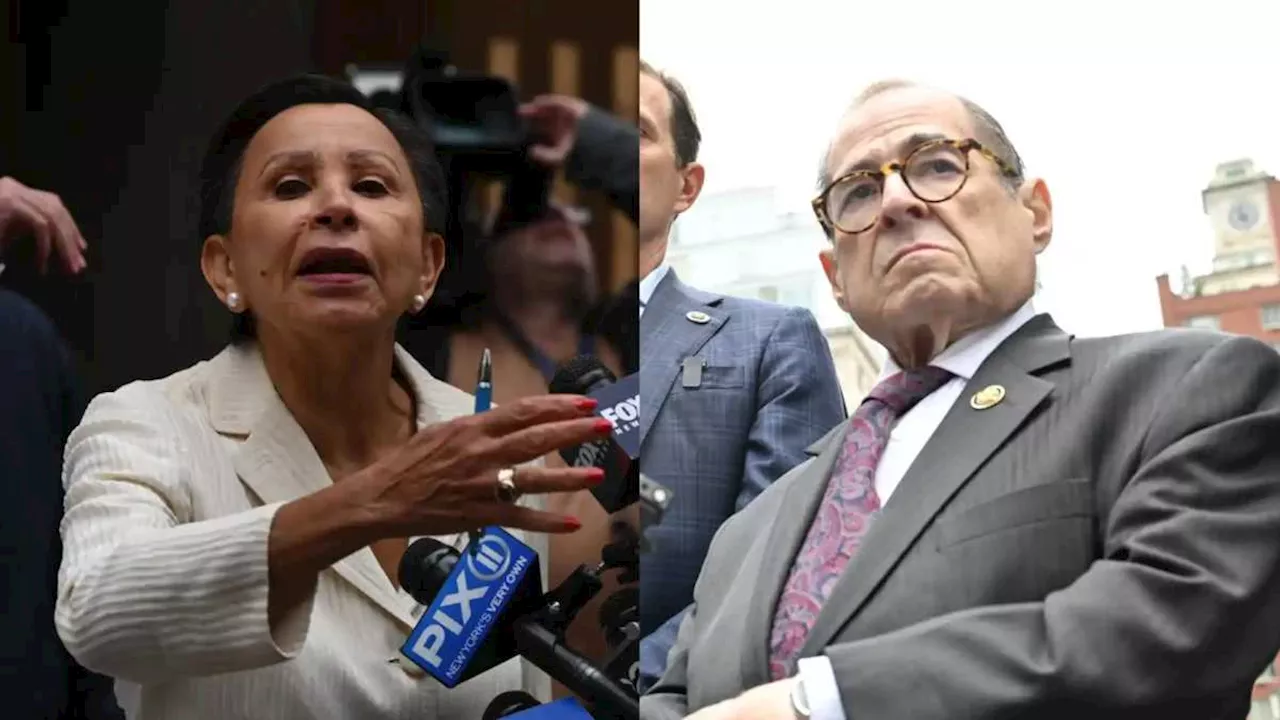
URGENT UPDATE: A significant shift is unfolding in New York City’s Democratic congressional delegation as several prominent members announce their retirement or face imminent challenges from younger, progressive candidates ahead of the 2026 elections. Notably, U.S. Rep. Nydia Velázquez, who has represented parts of north Brooklyn and western Queens for over 30 years, revealed her decision to step aside, marking a pivotal moment for the party.
This wave of retirements, including Rep. Jerry Nadler, aged 74, reflects a broader generational shift within the Democratic Party. Velázquez, aged 72, stated, “I love this work and I love my district, but I believe now is the right moment to step aside and allow a new generation of leaders to step forward.” Her announcement comes as younger candidates, including Assembly Member Micah Lasher, gear up to compete for these influential seats.
The evolving political landscape is fueled by a younger, more progressive base that is increasingly challenging the established order. Political strategist Camille Rivera noted, “Age isn’t just a number; it is also a factor in the current sea change.” With both Nadler and Velázquez stepping back, many anticipate a wave of fresh faces eager to represent the interests of younger voters.
The dynamics of the party have shifted dramatically since the 2024 presidential election, when President Donald Trump defeated former Vice President Kamala Harris. This defeat has intensified internal conflicts within the party, as incumbents grapple with maintaining relevance in a rapidly changing political environment. Experts suggest that the challenges these seasoned politicians face reflect a growing awareness of the need for representation that aligns with the values and concerns of younger constituents.
Political scientist John Mollenkopf emphasized the unique challenges facing longtime incumbents. “Being a longtime Democrat in Congress has hardly ever been tougher,” he stated. The pressures of serving in a minority party under a Republican administration, coupled with the challenges of keeping pace with evolving voter expectations, are driving many to reconsider their political futures.
While the establishment Democrats have coalesced around certain candidates, the grassroots movements are gaining momentum. This has resulted in a surge of primary challenges that many experts believe are healthy for democracy. “It will lead to a healthy debate around what the Democratic Party establishment is or isn’t doing for their constituencies,” Mollenkopf added.
As the 2026 elections approach, the focus will be on how these transitions impact the balance of power within the Democratic Party. The upcoming primaries could not only reshape the congressional delegation but also signal a shift in the party’s direction on critical issues.
As the political landscape continues to evolve, attention turns to the candidates stepping up to fill these pivotal roles. Will they be able to capture the enthusiasm of younger voters and articulate a vision that resonates with their communities? The answer may very well define the future of the Democratic Party in New York City.
Stay tuned for more updates as this story develops.