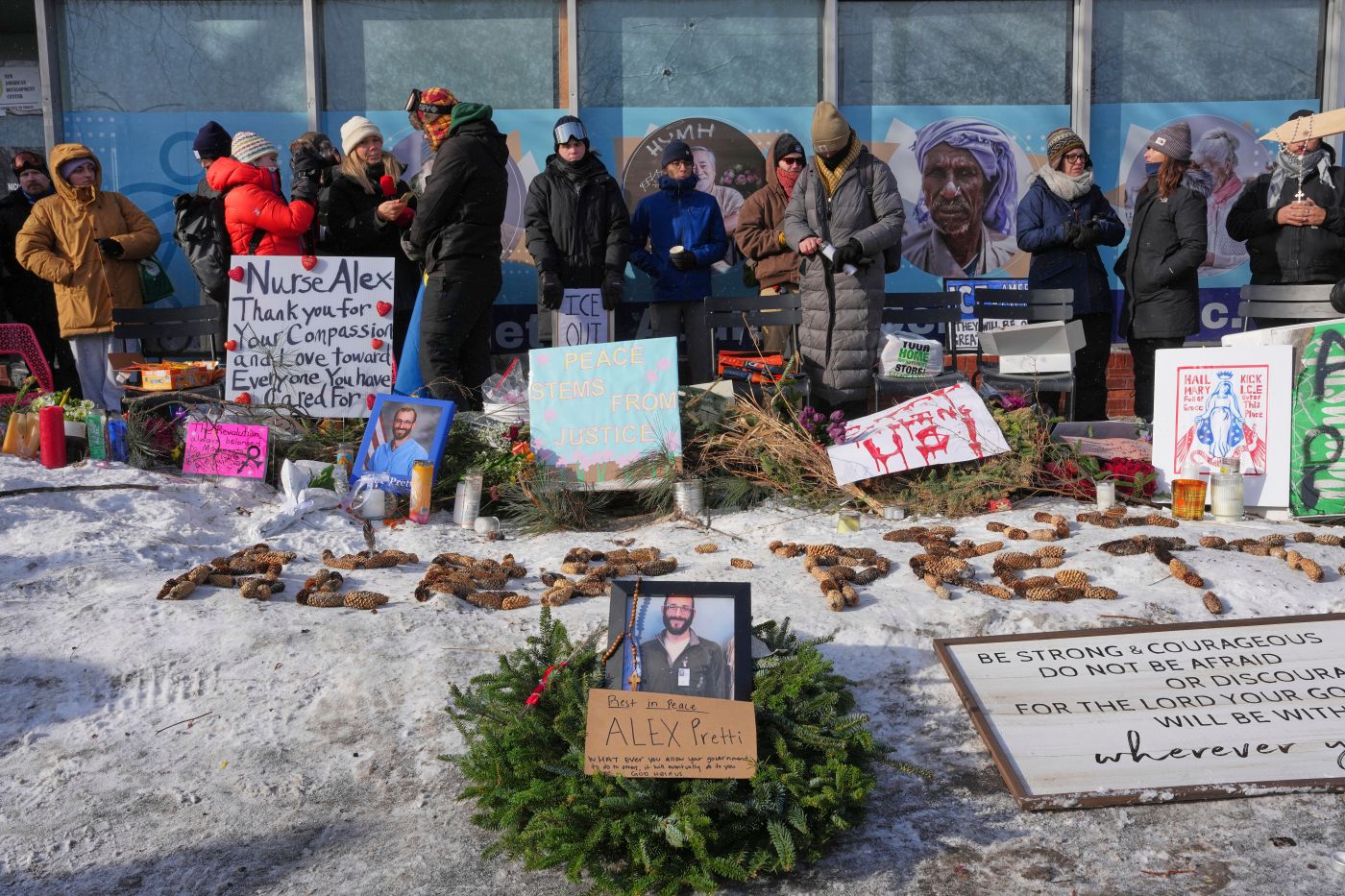
A fatal shooting involving a U.S. Border Patrol agent in Minneapolis has prompted a growing number of Republicans to call for a thorough investigation into federal immigration practices. The incident, which claimed the life of Alex Pretti, a 37-year-old intensive care nurse at a VA hospital, has ignited bipartisan scrutiny regarding the Trump administration’s immigration enforcement strategies.
In response to the shooting on March 9, 2024, Chairman of the House Homeland Security Committee, Rep. Andrew Garbarino of New York, has requested testimony from leaders of key agencies, including Immigration and Customs Enforcement (ICE), Customs and Border Protection, and U.S. Citizenship and Immigration Services. Garbarino emphasized, “my top priority remains keeping Americans safe,” highlighting the need for oversight of the Department of Homeland Security (DHS).
Several prominent Republicans have echoed this call for accountability. Former committee chairman Rep. Michael McCaul of Texas and Senators Thom Tillis of North Carolina, Bill Cassidy of Louisiana, and Lisa Murkowski of Alaska have all voiced their concerns. Cassidy, facing a challenge from a Trump-backed opponent in his reelection campaign, described the shooting as “incredibly disturbing,” stressing that the “credibility of ICE and DHS are at stake.” He advocated for “a full joint federal and state investigation” into the incident.
Tillis, who is not seeking reelection, urged for a “thorough and impartial investigation,” warning that any administration official who tries to stifle the inquiry would be doing a disservice to the nation and President Trump’s legacy. Murkowski reinforced the need for an investigation, insisting that “ICE agents do not have carte blanche in carrying out their duties.”
In contrast, administration officials defended their hard-line immigration tactics in Minneapolis, attributing blame to local Democrats and law enforcement for not cooperating with federal agents. Many Republicans either supported this narrative or remained silent.
President Trump did not make any public appearances following the incident but continued to post on social media about unrelated topics, including his plans for a ballroom at the White House and criticisms of Canada. This lack of direct engagement may indicate a challenge for the administration as it navigates the fallout from Pretti’s death.
As the GOP prepares for the upcoming midterm elections, the shooting has raised significant questions about the party’s positions on gun ownership, states’ rights, and trust in federal authority. Oklahoma Governor Kevin Stitt described the incident as a “real tragedy,” urging Trump to clarify the administration’s “end game” regarding immigration enforcement. Stitt remarked, “Nobody likes the feds coming to their states,” questioning whether the goal is to deport every non-U.S. citizen, which he believes is not aligned with what Americans want.
Vermont’s Republican Governor Phil Scott also condemned the shooting, labeling it “not acceptable.” He criticized federal immigration operations as either a failure of coordination or a deliberate act of intimidation against American citizens.
In light of these events, Rep. James Comer of Kentucky suggested that the administration consider relocating its immigration enforcement efforts to avoid jeopardizing local safety. He stated, “If I were President Trump, I would almost think about if the mayor and the governor are going to put our ICE officials in harm’s way… then maybe go to another city.”
Pretti’s death occurs during a tumultuous period for the GOP, as the party confronts various challenges, including a decline in approval ratings for Trump’s handling of immigration. A recent AP-NORC poll indicated that only 38% of U.S. adults approved of Trump’s immigration policies, a drop from 49% in March.
As the investigation unfolds, the GOP faces the difficult task of reconciling its core beliefs with the realities presented by this tragic incident. The outcome may not only impact public perception but also shape the party’s strategy leading into the midterm elections.