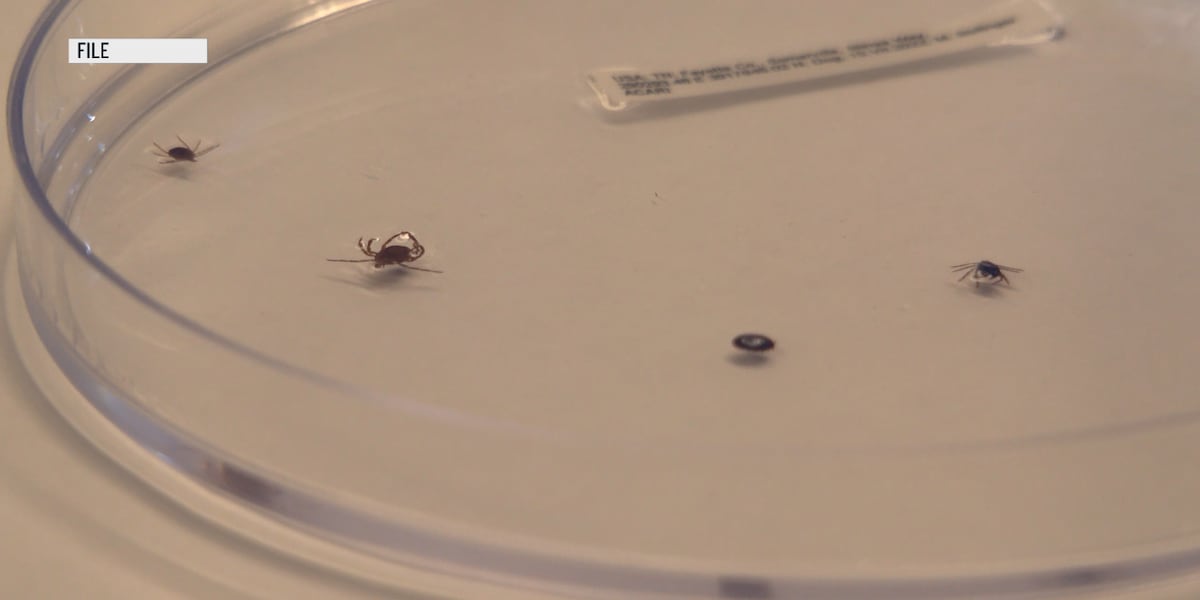
Ticks are actively spreading across Arkansas this spring, with health authorities warning about a dramatic surge in cases of Alpha-Gal Syndrome, a rare but serious allergic reaction caused by tick bites. The condition is escalating at alarming rates, raising red flags for outdoor enthusiasts nationwide, including in Nevada.
Dr. Shane Speights, Dean at the New York Institute of Technology at Arkansas State, cautions that while ticks carry known illnesses like Rocky Mountain spotted fever and Lyme disease, Alpha-Gal Syndrome is rapidly emerging as a hidden but dangerous threat. This syndrome triggers an allergy to red meat after a bite from the Lone Star tick, causing victims to become violently ill after consuming steak or hamburger.
Ticking Time Bomb: Cases Surge in Arkansas
The latest data from the Arkansas Department of Health reveals a startling increase in confirmed or probable Alpha-Gal Syndrome cases — from 70 in 2023 to an unprecedented 344 in 2024 and 249 already in 2025. This sharp rise spotlights a growing threat that could have far-reaching implications across the United States.
“Only a smaller percentage of the population is affected, but for those who are, the allergic reaction can last years and be extremely severe,” said Dr. Speights.
Where Danger Lurks and What to Watch For
Ticks, including dog, deer, Gulf Coast, and Lone Star ticks, thrive in Arkansas’ woodlands near rivers and large bodies of water, particularly in northeast regions like along the Spring River. With ticks found nearly anywhere statewide, the risk of bites is high for anyone venturing outdoors.
Following a tick bite, the most common symptoms to watch for are fever, chills, body aches, and rash. Dr. Speights emphasizes the critical window of 36 hours — if a tick remains attached past that point, immediate medical attention and antibiotics are advised to prevent infections.
“If the tick has been attached for more than 36 hours, we recommend starting antibiotics promptly,” Dr. Speights said.
How to Protect Yourself Outdoors
Despite the risks, doctors urge the public not to let tick fear keep them indoors. Instead, practicing preventive measures can significantly reduce the chance of bites. These include wearing light-colored clothing, long pants, high socks, and boots. After spending time outside, showering within two hours can help remove unattached ticks.
If a tick is found on your body, carefully remove it with tweezers by grasping the tick’s back and pulling gently until it releases its grip. Leaving parts of the tick embedded can lead to infections.
“Remove the tick carefully to avoid leaving its teeth in your skin, which can cause infection,” Dr. Speights advised.
Why Nevada and the Nation Should Take Note
While these alarming numbers come from Arkansas, Lone Star ticks and other species are present across much of the southern and eastern U.S., with increased tick activity reported nationwide this year. Nevada outdoor lovers should be vigilant as warmer weather drives more people outside, creating broader exposure risks.
The rising cases of Alpha-Gal Syndrome represent an urgent public health challenge because the allergy to red meat can be life-changing. Unlike common tick-borne infections, this syndrome’s symptoms can persist long after initial exposure and severely impact quality of life.
Public health officials and doctors urge awareness to catch symptoms early, encourage prompt tick removal, and reduce exposure during peak tick season. The message is clear: enjoy the outdoors but stay alert—tick bites now carry more than just a nuisance risk.
Stay informed and protect yourself this spring. The threat of Alpha-Gal Syndrome is real, and the window to act is now.