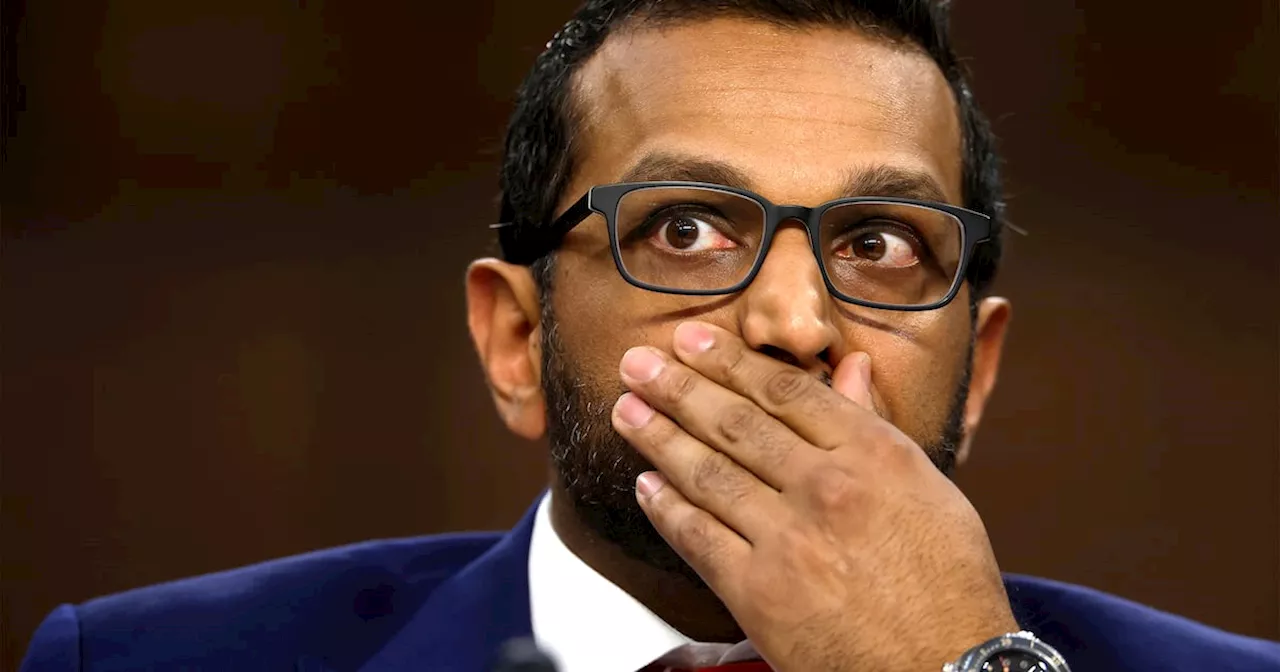
FBI Director Kash Patel Faces New Scrutiny Over Past Alcohol-Related Arrests
The FBI’s top official, Kash Patel, is under intense national scrutiny after explosive reports revealed prior arrests linked to alcohol, fueling ongoing doubts about his leadership and alleged drinking habits. Newly surfaced documents expose that Patel was arrested twice in his younger years for alcohol-related incidents, reigniting fierce debate over his suitability to lead the bureau.
The latest revelation, first reported by The Intercept, includes a 2005 letter from Patel to the Florida Bar during his application process. The letter confesses an arrest for public urination while celebrating with friends after a night involving “consumed alcoholic beverages.” This arrest happened just months before the letter was penned, marking an embarrassing addition to Patel’s public record.
Past Arrests Now Public as Drinking Allegations Intensify
Patel, who is 46 years old, also admitted to a separate arrest in 2001 during his college years at the University of Richmond. In that incident, he was removed from a basketball game for “excessive” cheering before being taken into custody for public intoxication after reportedly having “consumed two drinks.” He later paid a fine for this incident, which was previously reported but now confirmed again through Patel’s own disclosure.
These past arrests have now collided with current accusations of excessive drinking. The Atlantic’s brutal report alleges repeated bouts of intoxication on the job and unexplained absences from the FBI, challenging Patel’s public denials of ever being drunk at work. Patel is responding by suing The Atlantic for $250 million, claiming defamation.
Capitol Hill Investigation and FBI’s Statement
At a recent April 21 press conference, Patel vehemently denied being intoxicated during FBI duties and refuted The Atlantic’s claims. Still, Democratic lawmakers have launched a probe into his alleged alcohol use, concerned about its impact on the bureau’s integrity.
“These attacks are nothing more than an attempt to undermine a process that has already deemed him suitable to serve and a distraction to the record-breaking success of the FBI under Director Patel,” said Patel’s spokesperson Erica Knight.
Officials familiar with Patel’s tenure describe his drinking as a “recurring source of concern across the government,” noting reports of him visibly intoxicated in Washington, D.C., and Las Vegas settings. The controversy includes viral footage showing Patel chugging beer during celebrations at the Winter Olympics in Italy this February, intensifying public and congressional scrutiny.
Why This Matters Now
With the FBI at the forefront of national security and law enforcement, leadership stability is critical. Patel’s past and present alcohol-related issues raise alarms about decision-making and public trust in federal institutions. For Nevadan and U.S. readers, the stakes include the credibility and effectiveness of an agency central to counterterrorism, organized crime, and cybersecurity.
The revelations come amid a politically charged atmosphere where FBI actions are frequently under the microscope. Patel’s known alignment with former President Trump adds layers of partisan tension to a story rapidly evolving on the national stage.
What’s Next?
The congressional investigation is ongoing, with lawmakers demanding internal FBI records and testimonies to determine the extent of Patel’s drinking and its impact on his duties. Meanwhile, Patel’s lawsuit against The Atlantic is set to be a high-profile legal battle, potentially revealing even more details about his personal conduct and professional track record.
For Nevada and nationwide audiences, the evolving situation puts the FBI’s leadership under a spotlight just as the bureau tackles critical issues from cyber threats to public safety. As developments unfold, the public and officials alike watch closely to see if Patel retains his position or if mounting pressure forces changes at the bureau’s highest level.